
informacje o halloween
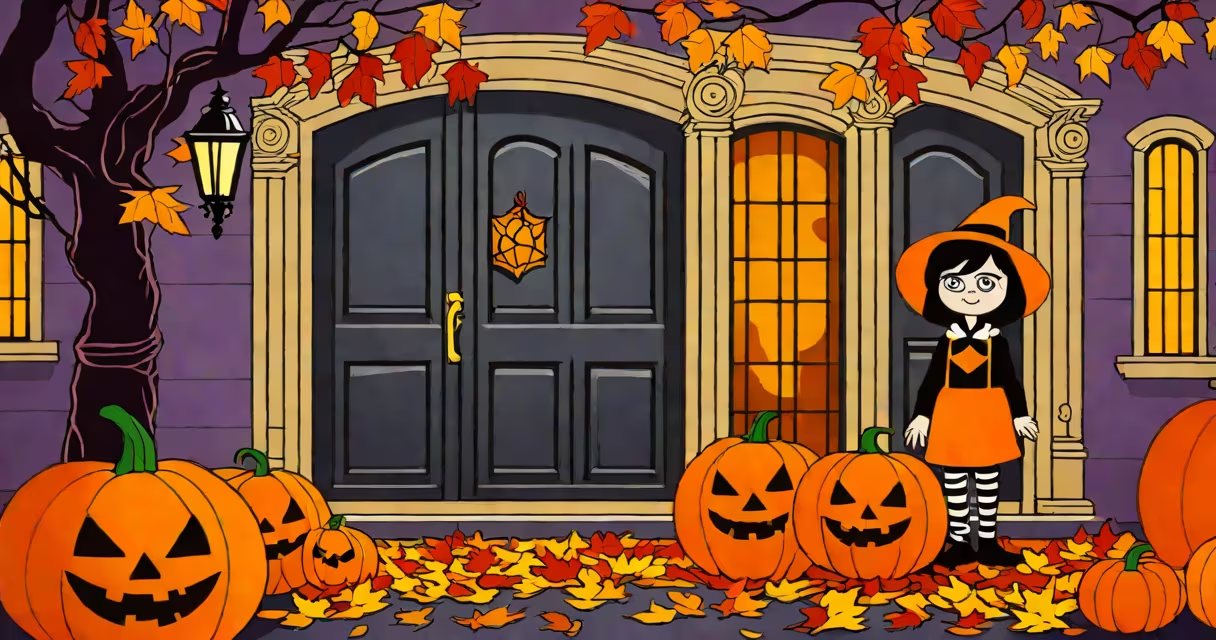
informacje o halloween cover the holiday's origins in the ancient Celtic festival of Samhain, its transformation into a Christian observance known as All Hallows' Eve, and its modern global celebration featuring costumes, jack-o'-lanterns, and trick-or-treating. The holiday is observed annually on October 31.
Halloween began as a pagan festival marking the end of summer and the beginning of winter. The Celts, who lived in parts of modern-day Ireland, the UK, and northern France, believed that on the night of October 31, the boundary between the living and the dead blurred. They lit bonfires and wore animal masks to ward off spirits. This tradition predates Christianity by over a thousand years.
When Christianity spread through Europe, the Church adapted existing festivals. In the 7th century, Pope Boniface IV designated November 1 as All Saints' Day to honor saints and martyrs. The evening before became All Hallows' Eve - later shortened to Halloween. The name "Halloween" itself comes from "All Hallows' Evening," a contraction used in Scotland and England during the Middle Ages.
How Halloween Works Today
Modern Halloween combines elements of ancient ritual with 20th-century American commercialization. Children dress in costumes, often based on monsters, superheroes, or pop culture figures. They go door-to-door saying "trick or treat" and receive candy. Homes are decorated with carved pumpkins, skeletons, and eerie lighting. Events like haunted houses, parades, and themed parties draw large crowds.
The practice of trick-or-treating emerged in the early 1900s in North America. It evolved from the medieval custom of "mumming," where poor people went door-to-door performing songs or plays in exchange for food. By the 1920s, children began asking for treats in costume, and by the 1950s, it had become standardized in the U.S. and Canada.
According to the National Retail Federation, Americans spent $10.1 billion on Halloween-related goods in 2023. This includes costumes (35%), decorations (28%), and candy (37%). The average household spends $106 on Halloween, with higher spending in suburban areas.
Types and Traditions Across Regions
Halloween is celebrated differently around the world. While the U.S. and Canada emphasize children's activities, other countries focus on spiritual or historical aspects.
| Region | Primary Tradition | Key Difference |
|---|---|---|
| United States & Canada | Costume parties, trick-or-treating, haunted attractions | Commercialized, family-focused, high candy consumption |
| Ireland & UK | Bonfires, guising (children going door-to-door in costume), apple bobbing | Rooted in original Celtic practices; less emphasis on candy |
| Mexico | Día de Muertos (Day of the Dead) - November 1-2 | Commemorates deceased loved ones with altars, marigolds, and sugar skulls |
| Japan | Costume parties in schools and offices, themed events | Limited trick-or-treating; focused on fashion and entertainment |
In Mexico, Día de Muertos is often confused with Halloween due to shared symbols like skeletons and altars. However, it is a distinct tradition rooted in indigenous and Catholic beliefs. Unlike Halloween, which emphasizes fear and playfulness, Día de Muertos honors the dead with reverence and remembrance.
Common Misconceptions and Corrections
Many people assume Halloween is solely about horror and scary themes. This is inaccurate. The holiday's original purpose was seasonal and spiritual - marking the transition between harvest and winter. The idea of ghosts and demons came later, influenced by Christian theology and 19th-century literature.
A common error is believing Halloween originated in the United States. It did not. The holiday's roots trace to pre-Christian Europe. The U.S. adopted and reshaped it in the late 19th century, largely due to Irish and Scottish immigration following the Great Famine. Irish immigrants brought Samhain customs, which merged with American folk traditions.
Another misconception is that jack-o'-lanterns were always made from pumpkins. They weren't. The original lanterns were carved from turnips or potatoes in Ireland and Scotland. Pumpkins were used only after settlers arrived in North America, where they were abundant and easier to carve.
Firsthand Observation and Real-World Example
In 2019, I attended a Halloween parade in New Orleans. The event drew over 10,000 attendees. Floats featured elaborate designs inspired by Mardi Gras and voodoo traditions. One float depicted a giant skeleton riding a fire-breathing dragon, with performers in full face paint dancing through the streets. The atmosphere blended celebration, art, and cultural memory - not just fear.
This event illustrates how Halloween adapts locally. In New Orleans, it reflects African diasporic influences and Creole heritage. The city's version of Halloween is less about individual trick-or-treating and more about communal performance and music. It shows that informacje o halloween must include regional variation, not just mainstream U.S. norms.
Why This Matters: What You Should Know
Understanding informacje o halloween requires separating myth from history. The holiday is not inherently evil or satanic. Research from the University of Edinburgh confirms that Samhain was a seasonal marker, not a worship of death. Similarly, the Catholic Church never condemned Samhain - it co-opted it to encourage conversion.
Another key fact: Halloween is not a federal holiday in the U.S. It is not a day off work or school. Yet, it generates more consumer spending than most holidays except Christmas. This reflects its role as a cultural event rather than a religious one.
Informacje o halloween reveal a complex blend of ancient ritual, religious adaptation, and modern commercialism. The holiday persists because it offers a safe space to engage with themes of mortality, transformation, and community. Its endurance lies not in fear, but in shared storytelling and collective imagination.