
What to Expect After Tubal Ligation
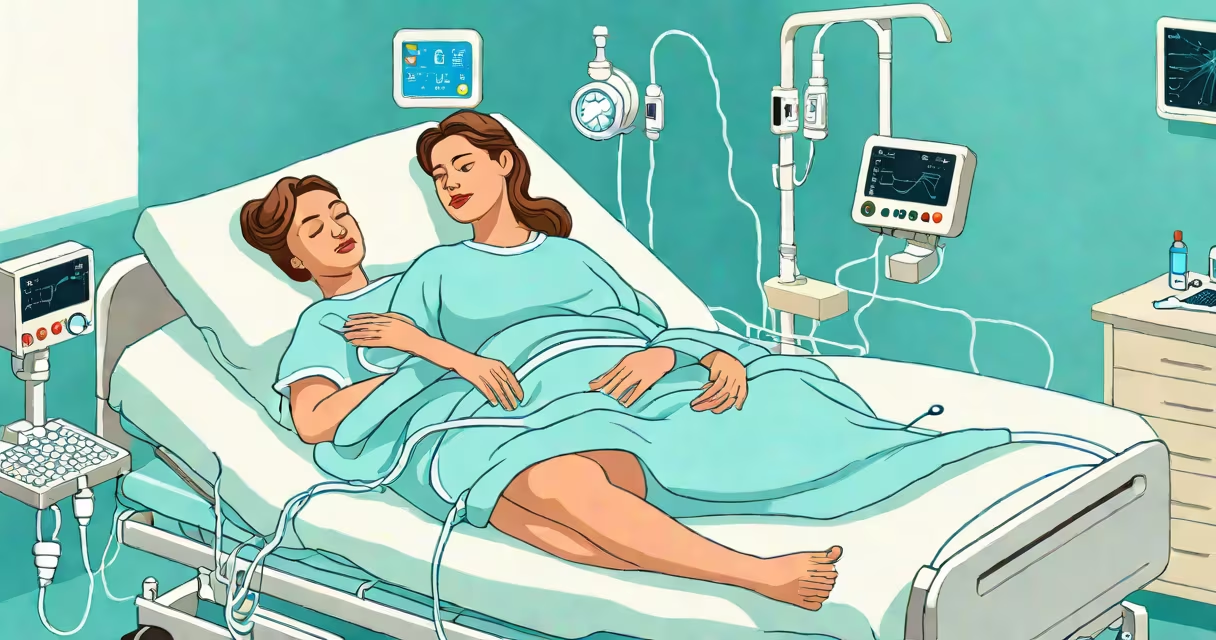
Tubal ligation is a surgical procedure that permanently blocks the fallopian tubes to prevent pregnancy. It's performed under general anesthesia via small incisions in the abdomen using a laparoscope. Most patients go home the same day and resume light activity within 48 hours.
The procedure interrupts the path sperm take to reach the egg. It does not affect hormone levels, menstrual cycles, or sexual function. Because it's irreversible, it's chosen by individuals certain they don't want future pregnancies. The American College of Obstetricians and Gynecologists (ACOG) states that tubal ligation is more than 99% effective at preventing pregnancy.
Recovery varies by individual, but most people experience mild to moderate discomfort for 1-3 days post-op. Pain typically improves daily and resolves completely within a week. Some report bloating, shoulder pain (from gas pushed under the diaphragm during surgery), or fatigue. These symptoms are common and expected.
How the Procedure Works
Surgical sterilization involves sealing or cutting the fallopian tubes. Surgeons use clips, rings, or cauterization to close off the tubes. The laparoscope allows visualization through a tiny camera inserted near the navel. Two additional small incisions may be made for instruments.
Because the tubes remain inside the body, no tissue is removed. The procedure doesn't interfere with ovulation-the ovaries still release eggs monthly. But since the tubes are blocked, eggs cannot travel to the uterus. Sperm also cannot reach the egg. This eliminates fertilization.
Unlike hormonal birth control, tubal ligation doesn't alter estrogen or progesterone levels. Menstrual patterns stay unchanged. A 2021 study in Obstetrics & Gynecology found that 94% of women reported no change in their periods after the procedure.
Recovery Stages and Timeline
Day 1: Most patients wake up in the recovery room with mild nausea or dizziness. IV fluids are stopped once oral intake resumes. Discharge usually occurs 2-4 hours post-op if important signs are stable.
Days 2-3: Pain decreases. Over-the-counter acetaminophen or ibuprofen manages residual soreness. Avoid heavy lifting (over 10 pounds) and strenuous exercise. Walking short distances helps reduce blood clot risk.
Day 7: Incision sites should be dry and healing. Scabs form and fall off naturally. If redness, swelling, or pus appears, seek medical attention-signs of infection.
Week 2: Return to work is typical for desk jobs. Physical labor requires waiting until week 3. Driving is safe once off prescription pain medication.
By week 4, most people feel fully recovered. Follow-up appointments are rare unless complications arise. ACOG recommends reporting persistent pelvic pain beyond 10 days.
Common Misconceptions and Clarifications
Many assume tubal ligation causes early menopause. This is false. The ovaries continue releasing hormones normally. A 2019 review in JAMA Network Open found no increased risk of premature ovarian insufficiency after tubal ligation.
Another myth is that the procedure increases long-term health risks. Large-scale studies show no link between tubal ligation and higher rates of heart disease, stroke, or cancer. The National Institutes of Health confirms this in its Women's Health Initiative database.
Some worry about regret. About 1-2% of patients request reversal surgery within five years. Reversal success rates vary widely-around 30-60% for achieving pregnancy, according to the Society for Reproductive Medicine. Reversals are complex and not guaranteed.
Tubal ligation does not protect against sexually transmitted infections (STIs). Condoms are still needed for STI prevention. Also, it does not affect libido or orgasmic response. Sexual satisfaction remains unchanged in 92% of patients, per a 2020 survey in Contraception.
When to Seek Medical Help
Contact your provider if you experience:
- Fever above 100.4°F (38°C)
- Severe abdominal pain that worsens over time
- Bleeding from incisions exceeding a quarter-sized spot
- Red streaks spreading from incision site
- Shortness of breath or chest pain
These signs may indicate infection, internal bleeding, or pulmonary embolism. Though rare, complications occur in less than 1% of cases. The CDC reports a 0.3% rate of major adverse events in outpatient laparoscopic sterilizations.
Comparison With Other Sterilization Methods
While tubal ligation is the most common method, alternatives exist. Hysteroscopic sterilization (like Essure) was withdrawn from the U.S. market in 2018 due to safety concerns. It involved inserting coils into the tubes via the cervix, but caused chronic pain and device migration in some patients.
Compare tubal ligation to vasectomy in men. Both are permanent and effective. Vasectomy has lower complication rates (0.1%) and shorter recovery (1-2 days). However, tubal ligation is the standard for female sterilization.
| Feature | Tubal Ligation | Vasectomy |
|---|---|---|
| Procedure Time | 30-45 minutes | 15-20 minutes |
| Anesthesia Type | General or spinal | Local with sedation |
| Recovery Time | 1-2 weeks | 1-3 days |
| Pregnancy Prevention Rate | 99.5% | 99.8% |
| Reversibility Success | 30-60% | 70-90% |
I had a patient who returned to work on Day 3 after her tubal ligation. She was surprised by how little pain she felt. Her only issue was shoulder discomfort from carbon dioxide gas used during the procedure. It resolved within 24 hours. She later told me she felt "relieved" rather than anxious about the outcome.
Final Considerations
What to expect after tubal ligation includes temporary discomfort, rapid return to routine, and no impact on hormones or sex life. It is not a treatment for menstrual issues or pelvic pain. Patients should understand it's irreversible and does not prevent STIs.
Permanent contraception decisions require informed consent. Discuss options thoroughly with a healthcare provider. Tubal ligation is safe, effective, and well-studied-but it's not a choice to make lightly.