
What Causes Diarrhea for a Week
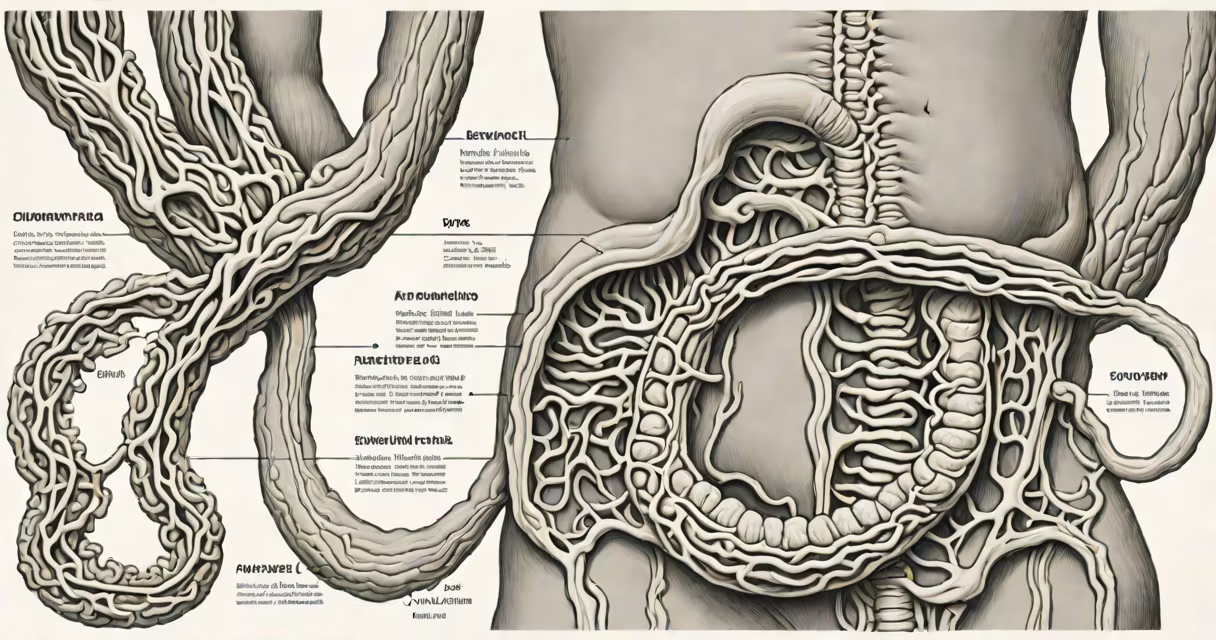
Diarrhea lasting seven days or longer indicates a persistent gastrointestinal disturbance, often due to infection, medication side effects, or chronic conditions such as inflammatory bowel disease or irritable bowel syndrome. This duration exceeds typical acute episodes and requires medical evaluation.
Acute diarrhea usually resolves within 3-5 days. When it persists beyond a week, the underlying trigger is likely more serious. Common causes include bacterial pathogens like Salmonella or Campylobacter, viral agents such as norovirus or rotavirus, or parasites like Giardia lamblia. These organisms disrupt intestinal absorption and increase fluid secretion, leading to frequent loose stools.
Antibiotic use is another frequent contributor. Antibiotics kill gut bacteria indiscriminately, allowing harmful strains like Clostridioides difficile to proliferate. C. diff infection causes severe diarrhea that can last weeks and may require specific treatment. A 2021 study published in The Lancet Infectious Diseases found that 15% of patients with antibiotic-associated diarrhea developed C. diff colitis, which often presents with prolonged symptoms.
Types of Persistent Diarrhea and Their Triggers
Persistent diarrhea falls into categories based on origin: infectious, medication-related, or chronic disease-driven. Each has distinct patterns and diagnostic pathways.
| Type | Common Causes | Duration | Key Clues |
|---|---|---|---|
| Infectious | Salmonella, Campylobacter, Shigella, Giardia, Cryptosporidium | 5-14 days | Fever, blood in stool, travel history |
| Medication-induced | Antibiotics, antacids with magnesium, laxatives | Days to weeks after starting drug | Onset tied to new medication |
| Chronic condition | IBS, Crohn's disease, celiac disease | Weeks to months | Recurrent episodes, weight loss, family history |
Giardia, a parasite found in contaminated water, is particularly common in travelers and campers. It causes watery diarrhea lasting 1-3 weeks, often with bloating and greasy stools. Diagnosis requires stool antigen testing, not routine microscopy. The Centers for Disease Control and Prevention (CDC) reports that Giardia is responsible for 10-20% of persistent diarrhea cases in the U.S., especially among children and outdoor recreationists.
C. diff infection typically emerges during or shortly after antibiotic therapy. Symptoms include frequent watery stools, abdominal cramping, and fever. A 2022 CDC report noted that C. diff accounted for 15% of healthcare-associated diarrhea cases and was linked to 12,000 deaths annually in the U.S. Testing for toxins or genetic markers in stool is required for confirmation.
When Prolonged Diarrhea Signals a Serious Issue
Diarrhea lasting a week is not normal. It increases the risk of dehydration, electrolyte imbalance, and malnutrition. Adults lose about 1 liter of fluid daily through stool during persistent diarrhea, raising the risk of hyponatremia and hypokalemia.
Red flags include blood in stool, high fever (>38.5°C/101.3°F), signs of dehydration (dry mouth, dizziness, reduced urine output), or unexplained weight loss. These warrant urgent evaluation. A 2020 study in Gastroenterology found that patients presenting with persistent diarrhea and weight loss had a 30% higher likelihood of being diagnosed with inflammatory bowel disease or colorectal cancer within six months.
Irritable bowel syndrome (IBS) can mimic prolonged diarrhea, but it lacks organic pathology. IBS-D (diarrhea-predominant) features alternating constipation and diarrhea, abdominal pain relieved by bowel movements, and no blood or fever. Rome IV criteria define IBS based on symptom duration of at least six months and onset at least six months prior to diagnosis. It is not life-threatening but impacts quality of life.
Common Misconceptions and Clarifications
Many assume that diarrhea lasting a week is just "stomach flu" and will resolve on its own. This is incorrect. While viral gastroenteritis typically lasts 2-5 days, persistence beyond a week suggests a different etiology. Norovirus, for example, rarely causes symptoms beyond five days unless immunocompromised.
Another misconception is that probiotics alone can treat persistent diarrhea. Probiotics may shorten acute illness by 1-2 days, according to a 2019 Cochrane review, but they do not address root causes like C. diff or parasitic infection. Using them without proper diagnosis risks delaying effective treatment.
A non-obvious fact: diarrhea lasting a week can precede autoimmune diseases by months. In one longitudinal study, 12% of patients later diagnosed with celiac disease reported chronic diarrhea for over a month before serological testing confirmed the condition. Early screening improves outcomes.
Real-World Example: A Case of Prolonged Diarrhea
In 2022, a 34-year-old woman presented with diarrhea lasting 10 days. She had no fever, no blood in stool, and no recent travel. She had taken amoxicillin for a sinus infection five days before symptom onset. Stool test revealed C. difficile toxin B. She was treated with oral vancomycin, and symptoms resolved in four days. Without testing, her condition could have worsened to pseudomembranous colitis.
This case illustrates that antibiotics are a major hidden cause. Even short courses can disrupt gut flora. The American Gastroenterological Association recommends testing for C. diff in patients with diarrhea lasting more than three days after antibiotic use.
When to Seek Medical Care
Consult a healthcare provider if diarrhea persists beyond seven days, especially with warning signs. Initial evaluation includes history, physical exam, and targeted testing. Stool cultures, antigen tests, and blood work may be ordered.
Children under five and adults over 65 are at higher risk for complications. In infants, diarrhea lasting a week can lead to rapid dehydration. A 2021 WHO report emphasized that early rehydration reduces mortality in pediatric cases by 40%.
Diarrhea lasting a week is not a minor issue. It signals a disruption requiring investigation. Whether caused by infection, medication, or chronic disease, timely diagnosis prevents complications and guides effective treatment.
Understanding what causes diarrhea for a week enables faster intervention. Persistent symptoms are not a sign to wait it out. Early medical input improves recovery and reduces long-term health risks.