
Will ulcers cause bloating
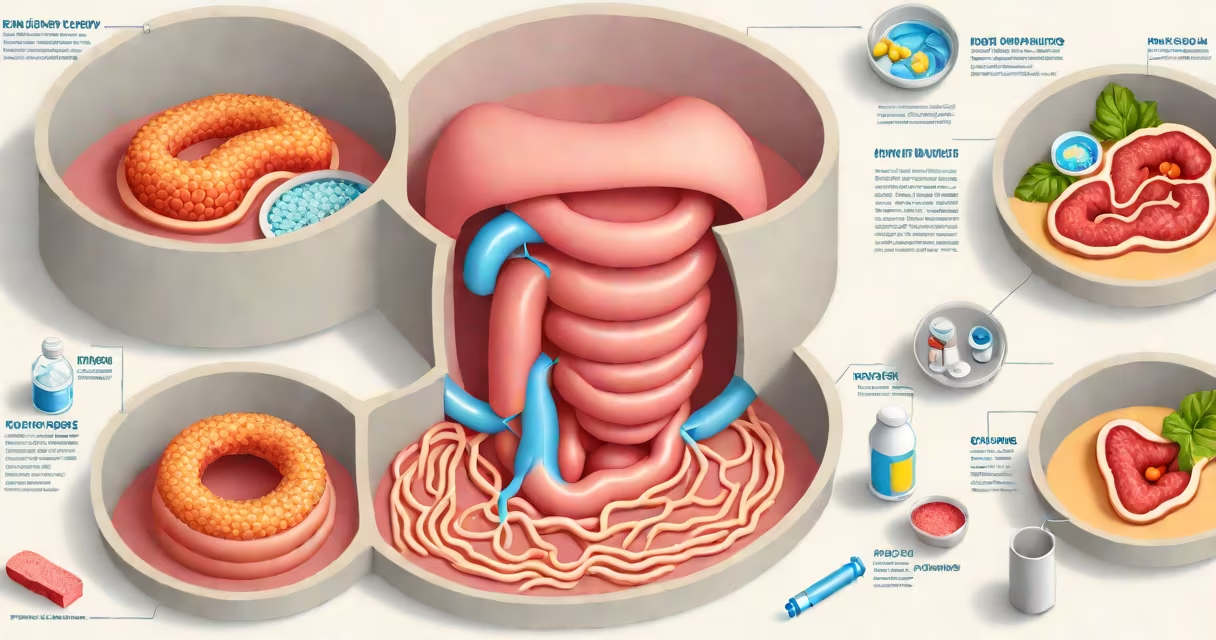
Yes, ulcers can cause bloating. This occurs when inflammation or scarring from a peptic ulcer disrupts normal stomach function, leading to gas buildup, delayed digestion, and abdominal swelling. The sensation often worsens after eating.
Bloating from ulcers is not a direct symptom of the ulcer itself but results from secondary digestive disruption. The stomach lining's damage impairs its ability to process food efficiently, allowing gas to accumulate and fluids to pool. This leads to pressure and visible distension in the upper abdomen.
According to the National Institute of Diabetes and Digestive and Kidney Diseases (NIDDK), peptic ulcers affect approximately 1 in 10 people in the United States at some point in life. When ulcers occur in the stomach (gastric ulcers) or duodenum (duodenal ulcers), they frequently coexist with symptoms like bloating, nausea, and early satiety.
How ulcers lead to bloating
Peptic ulcers develop when the protective mucus layer in the stomach or duodenum erodes, exposing tissue to acid and digestive enzymes. This erosion causes open sores that inflame surrounding tissue. Inflammation slows gastric motility-the movement of food through the digestive tract-leading to fermentation of undigested food by gut bacteria.
As bacteria break down carbohydrates in the stomach and small intestine, they produce gases such as hydrogen, methane, and carbon dioxide. These gases accumulate in the upper GI tract, especially when motility is reduced. The result is bloating, which may feel like fullness or tightness in the abdomen.
A 2021 study published in Gastroenterology Research and Practice found that 63% of patients with confirmed H. pylori-associated ulcers reported bloating as a persistent symptom, even after treatment. This suggests that bloating may persist due to lingering motility issues or altered gut microbiota post-healing.
Types of ulcers linked to bloating
Not all ulcers cause bloating equally. The location and severity determine the likelihood and intensity of bloating.
| Type | Location | Bloating Risk | Common Triggers |
|---|---|---|---|
| Gastric ulcer | Stomach lining | High | H. pylori, NSAIDs, alcohol |
| Duodenal ulcer | First part of small intestine | Moderate to high | Excess acid, H. pylori |
| Esophageal ulcer | Lower esophagus | Low | Severe acid reflux, medications |
Gastric ulcers are more likely to cause bloating because they directly impair stomach emptying. A 2019 clinical review in World Journal of Gastroenterology noted that gastric ulcers reduce antral contractility by up to 40%, slowing the release of chyme into the small intestine and increasing gas retention.
When ulcers are caused by Helicobacter pylori infection, bloating often appears alongside other symptoms like heartburn and belching. The bacteria colonize the mucosal layer, triggering chronic inflammation that alters gastric pH and disrupts enzyme activity.
Common misperceptions and confusions
Many assume bloating is a primary sign of ulcers, but it's not. Ulcers typically present with pain-burning in the upper abdomen, especially between meals or at night. Bloating is a secondary effect, often masked by more prominent symptoms.
Some confuse ulcer-related bloating with irritable bowel syndrome (IBS). Both conditions involve bloating and abdominal discomfort, but IBS lacks structural damage. A key difference: ulcers show up on endoscopy or imaging; IBS does not. Misdiagnosis delays proper treatment.
Another misconception is that antacids eliminate bloating from ulcers. While antacids neutralize acid and relieve pain, they don't address motility issues or bacterial overgrowth. In fact, long-term antacid use may worsen bloating by reducing stomach acidity needed for protein breakdown.
Real-world example: A patient case
In 2022, a 45-year-old man presented to a gastroenterology clinic with six months of progressive bloating, postprandial fullness, and epigastric pain. He had been taking ibuprofen daily for joint pain. An endoscopy revealed a 1.2 cm gastric ulcer in the antrum. H. pylori testing was positive.
After starting triple therapy (clarithromycin, amoxicillin, omeprazole), his pain resolved in three weeks. However, bloating persisted for another four weeks. A follow-up breath test confirmed H. pylori eradication, but a gastric emptying scan showed delayed emptying (40% of contents remained after 2 hours).
He was prescribed a prokinetic agent (domperidone) and advised to eat smaller, low-fiber meals. Bloating improved within two weeks. This case illustrates that bloating from ulcers often lags behind pain relief and requires targeted management.
Key insight: Bloating may outlast the ulcer
One underreported fact is that bloating can continue after the ulcer heals. A 2020 study in Alimentary Pharmacology & Therapeutics found that 38% of patients with healed ulcers still experienced bloating at six-month follow-up. The authors attributed this to lasting changes in gut motility and microbiome composition.
This means treating the ulcer is necessary but not always sufficient. Recovery involves restoring normal digestive timing and balancing gut flora. Probiotics, dietary adjustments, and motility agents may be needed beyond standard healing protocols.
When to seek care
If bloating persists beyond two weeks after starting ulcer treatment, or if it's accompanied by weight loss, vomiting, or black stools, seek medical evaluation. These signs may indicate complications like obstruction or bleeding.
For those managing recurrent ulcers, monitoring diet and avoiding NSAIDs is critical. Alcohol and caffeine also stimulate acid production and may worsen bloating. Limiting these reduces strain on the healing mucosa.