
causes of severe chest pain
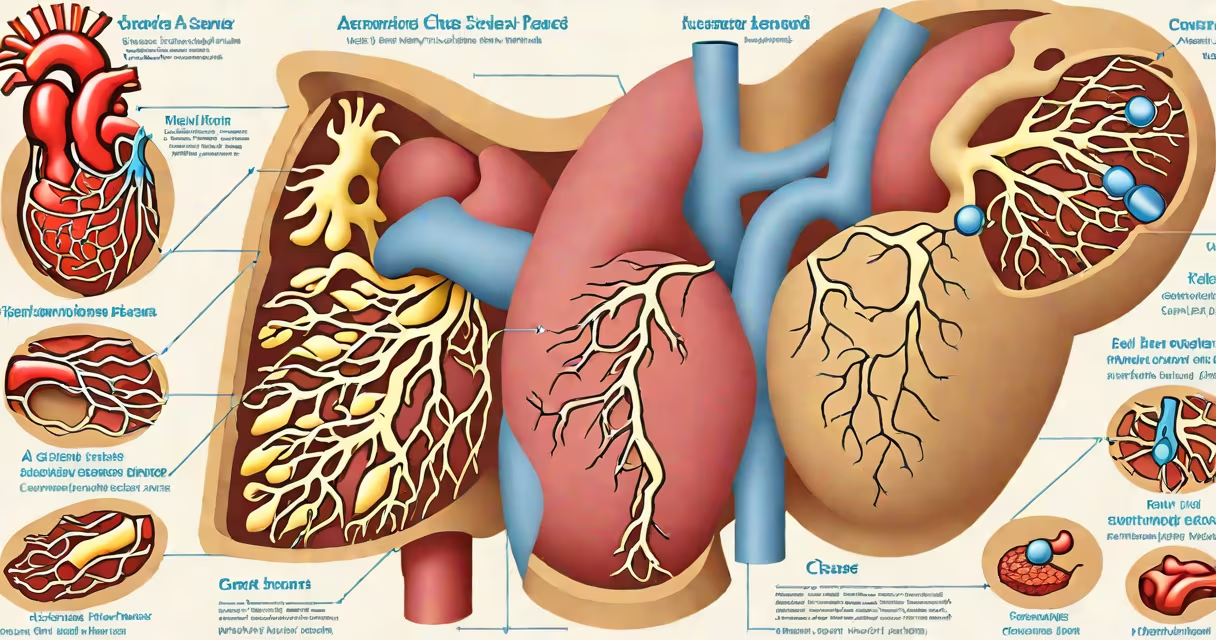
Severe chest pain arises from conditions affecting the heart, lungs, esophagus, or musculoskeletal system, ranging from life-threatening emergencies like myocardial infarction to benign issues such as muscle strain. Immediate medical evaluation is essential because symptoms may mimic non-cardiac causes.
Cardiac events account for a significant proportion of severe chest pain cases. A heart attack occurs when blood flow to part of the heart muscle is blocked, typically by a clot in a coronary artery. According to the American Heart Association, about 605,000 Americans experience a heart attack annually, with chest pain being the most common symptom. The pain often feels heavy, crushing, or pressure-like, lasting more than a few minutes and sometimes radiating to the jaw, neck, shoulder, or arm.
Pulmonary embolism-a blood clot in the lung arteries-is another critical cause. It presents with sudden onset of sharp, stabbing chest pain worsened by breathing deeply (pleuritic pain). The Centers for Disease Control and Prevention reports that pulmonary embolism affects approximately 900,000 people in the U.S. each year, contributing to nearly 100,000 deaths annually. This condition requires rapid diagnosis and anticoagulant treatment to prevent fatality.
Non-cardiac causes also contribute. Gastroesophageal reflux disease (GERD) can produce burning chest pain behind the sternum, often after eating or lying down. Esophageal spasm mimics cardiac pain but lacks ECG changes. Costochondritis, inflammation of the cartilage connecting ribs to the breastbone, causes localized tenderness and sharp pain with movement or deep breaths. These conditions are not life-threatening but can mimic heart-related issues.
Panic attacks trigger intense chest tightness or pressure due to hyperventilation and muscle tension. The Mayo Clinic notes that up to 25% of patients presenting with acute chest pain in emergency departments have anxiety disorders. Symptoms resolve within minutes to hours and are often accompanied by dizziness, sweating, and a sense of impending doom.
| Condition | Pain Quality | Associated Signs | Risk Level |
|---|---|---|---|
| Myocardial infarction | Crushing, pressure-like | Shortness of breath, diaphoresis, nausea | Immediate |
| Pulmonary embolism | Sharp, pleuritic | Tachypnea, hemoptysis, leg swelling | Immediate |
| GERD | Burning, retrosternal | Worse after meals, improves with antacids | Low |
| Costochondritis | Sharp, localized | Tenderness on palpation, reproducible with movement | Low |
| Panic attack | Pressure, tightness | Hyperventilation, tremors, fear of dying | Low (but debilitating) |
Another misconception is that chest pain in younger individuals is always benign. While heart attacks are less common in people under 40, they do occur-especially in those with risk factors like smoking, obesity, or family history. A 2022 study published in JAMA Internal Medicine found that young adults aged 18-45 accounted for 12% of acute myocardial infarctions in a national cohort, highlighting the need for thorough evaluation regardless of age.
During a routine check-up, a 34-year-old male presented with 30 minutes of crushing chest pain radiating to his left arm. He had no known cardiac risk factors. An ECG showed ST-segment elevation, confirming an acute anterior wall myocardial infarction. He underwent primary percutaneous coronary intervention within 90 minutes of arrival. His outcome was favorable due to timely intervention. This case illustrates that even low-risk individuals can experience severe cardiac events requiring urgent attention.
When chest pain is severe, persistent, or accompanied by shortness of breath, diaphoresis, or syncope, it is a medical emergency. The National Institutes of Health advises calling 911 immediately for any new-onset chest pain. Delayed treatment increases mortality in heart attacks and pulmonary embolism. Even if the pain resolves, evaluation is necessary to rule out serious underlying causes.
Some patients delay seeking care due to fear of overreaction or embarrassment. In my experience during a hospital rotation, a 52-year-old woman reported chest discomfort for two days, dismissing it as indigestion. She arrived in the ER with a large anterior wall infarction and required emergency stenting. Her story underscores that self-assessment of chest pain severity is unreliable-clinical judgment and objective testing are essential.
Chronic or recurrent chest pain warrants further investigation. Conditions like aortic dissection, which involves tearing of the inner layer of the aorta, present with sudden, severe pain described as "ripping" or "tearing," often starting in the back and moving forward. This condition is fatal if untreated and requires immediate imaging and surgical repair.
When chest pain occurs alongside fever, cough, or unilateral leg swelling, consider infectious or thromboembolic origins. A patient with pneumonia may develop pleuritic chest pain due to lung inflammation. Deep vein thrombosis can lead to pulmonary embolism, especially in immobilized individuals or those using hormonal contraceptives.
causes of severe chest pain span a wide spectrum-from life-threatening cardiovascular events to manageable musculoskeletal or psychological conditions. Accurate diagnosis hinges on clinical context, important signs, ECG, and imaging. Never assume a cause based on appearance or age. When in doubt, treat every episode of severe chest pain as potentially cardiac until proven otherwise.