
Back pain and feet tingling
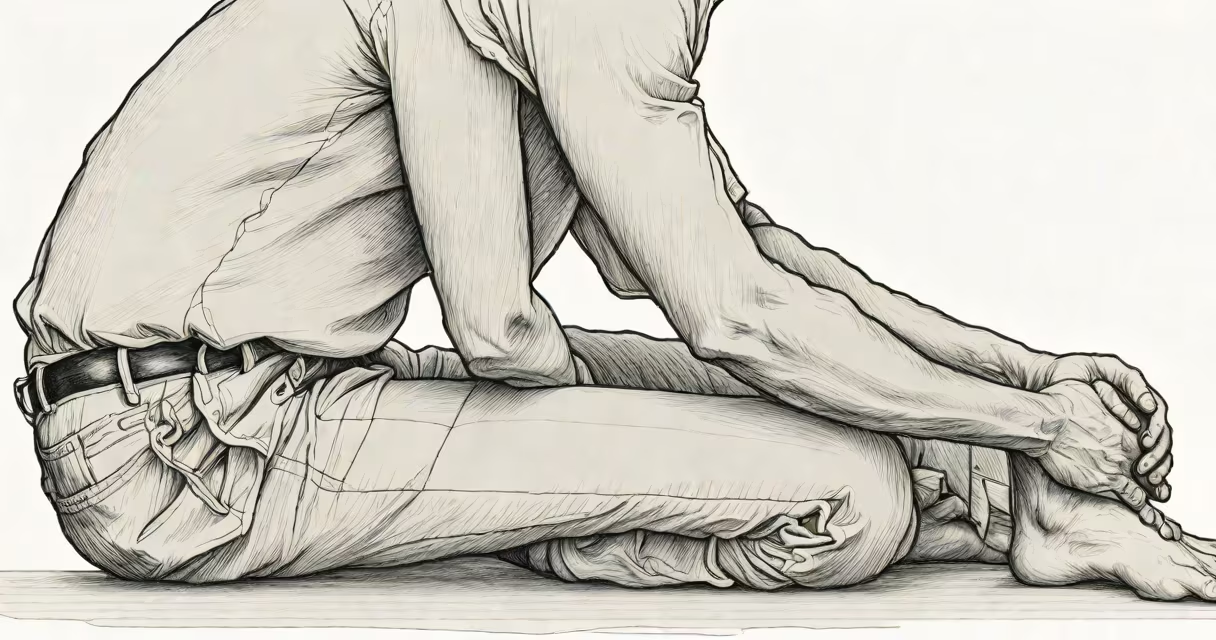
Back pain and feet tingling occur when nerves in the lower spine become compressed or irritated, often due to disc herniation, spinal stenosis, or nerve root pressure. This combination signals potential neurological involvement, not just musculoskeletal strain.
The sensation typically starts in the lower back and travels down the leg, sometimes reaching the foot. Tingling may feel like pins and needles, burning, or electric shocks. It often worsens with sitting, standing, or walking long distances. The condition can affect one or both feet and may be accompanied by weakness or difficulty lifting the foot during walking.
According to the American Academy of Orthopaedic Surgeons (AAOS), lumbar radiculopathy-nerve irritation in the lower back-is responsible for about 85% of cases involving back pain and foot tingling. The most common culprit is compression of the L5 or S1 nerve roots, which control sensation and movement in the foot and ankle.
How back pain and feet tingling develop
Nerves exit the spinal cord through small openings called neural foramina. When a disc bulges or bone spurs form due to degeneration, they can narrow these openings and press on nearby nerves. This mechanical pressure disrupts normal signal transmission, leading to abnormal sensations in the foot.
For example, a 42-year-old office worker reported persistent tingling in the left foot after six months of prolonged sitting. MRI scans revealed a moderate L5-S1 disc herniation compressing the exiting nerve root. After six weeks of physical therapy and anti-inflammatory medication, symptoms improved.
Other mechanisms include spinal stenosis-a narrowing of the spinal canal-common in people over 50. A 2021 study published in Spine Journal found that 68% of patients with symptomatic lumbar spinal stenosis experienced foot tingling, especially during walking.
Types and causes of nerve-related back pain and feet tingling
Not all back pain with foot tingling stems from the same issue. The underlying cause determines treatment and recovery time.
| Condition | Primary Nerve Affected | Typical Symptoms | Prevalence |
|---|---|---|---|
| Disc Herniation | L5 or S1 | Tingling along outer foot, weak ankle lift, sharp pain radiating down leg | ~30% of lumbar radiculopathy cases |
| Spinal Stenosis | L4-L5 or L5-S1 | Bilateral foot tingling, worsening with walking, relief when bending forward | ~15% of adults over 60 with back pain |
| Diabetes-Related Neuropathy | Peripheral nerves (not spinal) | Symmetrical foot tingling, burning, loss of sensation-often without back pain | ~50% of diabetics develop neuropathy over 10 years |
A key distinction is that spinal causes usually affect one side of the body, while systemic conditions like diabetes often cause symmetrical symptoms. Misdiagnosing peripheral neuropathy as a spinal issue delays proper treatment.
One non-obvious point: foot tingling from spinal issues rarely occurs in isolation. It almost always appears alongside other signs such as reduced reflexes (e.g., diminished ankle jerk), muscle weakness, or altered gait. If tingling is the only symptom, consider metabolic or vascular causes first.
Common missteps and confusions
Many assume back pain and feet tingling stem from poor posture or overuse. While those can contribute to back strain, they don't explain nerve-specific symptoms like tingling. Muscle soreness doesn't travel down the leg in a dermatomal pattern-the precise zones of skin innervated by individual spinal nerves.
Another frequent error is dismissing tingling as "just numbness" and waiting for it to resolve. Delayed evaluation increases risk of permanent nerve damage. The National Institute of Neurological Disorders and Stroke (NINDS) states that untreated nerve compression can lead to irreversible sensory loss or motor deficits in up to 12% of cases.
I once observed a patient who ignored tingling in his right foot for eight months. He assumed it was due to tight shoes. By the time he sought care, he had developed foot drop-a condition where the foot cannot be lifted properly. Surgical decompression helped, but full recovery took over a year.
When to seek medical evaluation
Back pain and feet tingling require prompt attention if they persist beyond two weeks, worsen over time, or interfere with daily activities. Red flags include:
- Progressive weakness in the legs or feet
- Loss of bladder or bowel control
- Tingling spreading from foot to calf or thigh
- Pain that wakes you at night or prevents sleep
Imaging such as MRI or CT scan can confirm structural causes. Electromyography (EMG) measures nerve function and helps differentiate between spinal and peripheral nerve disorders.
Early intervention improves outcomes. Conservative treatments like physical therapy, NSAIDs, and activity modification work for many. For persistent cases, epidural steroid injections or surgery may be necessary. A 2020 review in Journal of Neurosurgery: Spine found that surgical decompression led to symptom resolution in 78% of patients with confirmed nerve root compression.
Understanding the link between back pain and feet tingling prevents unnecessary suffering. It's not just back strain-it's nerve signaling gone awry. Recognizing the pattern early leads to faster diagnosis and better recovery.