
Why Does Colitis Happen
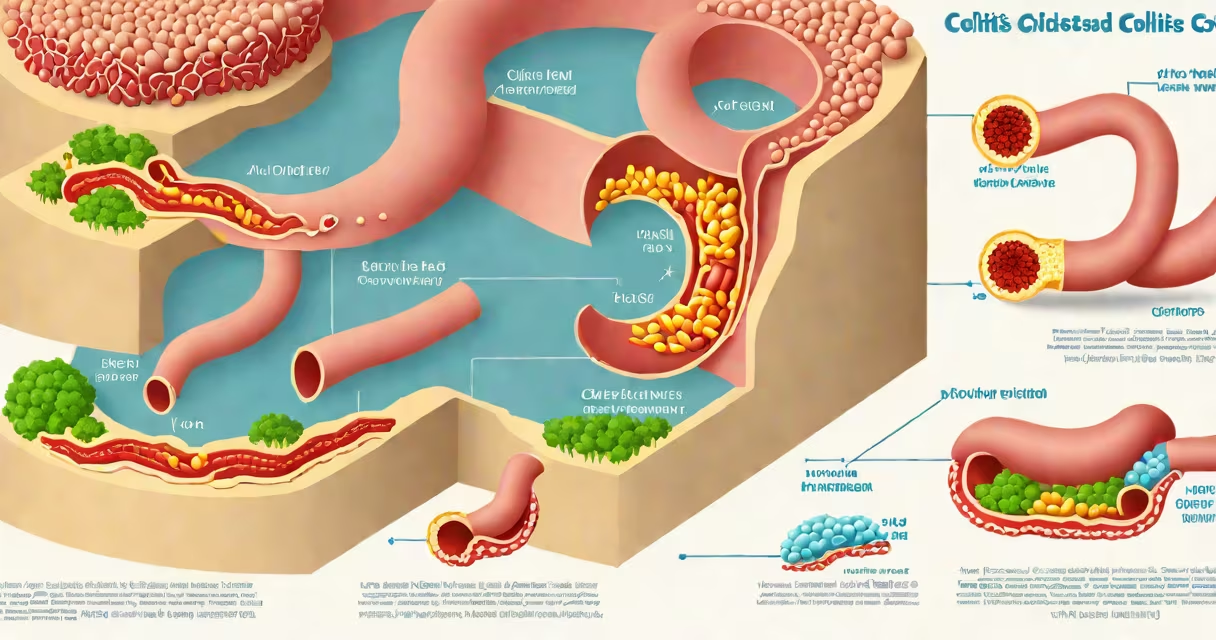
Colitis occurs when the lining of the colon becomes inflamed due to a combination of immune system dysfunction, genetic predisposition, environmental triggers, and imbalances in gut bacteria. This inflammation damages the intestinal barrier and disrupts normal digestion.
Ulcerative colitis, the most common form, results from the immune system mistakenly attacking the colon's inner lining. The body sends white blood cells to fight perceived threats, but in colitis, there are no foreign invaders-just healthy tissue being damaged. This leads to ulcers, bleeding, and frequent diarrhea.
The condition affects approximately 1 million people in the United States, according to the Crohn's & Colitis Foundation. It typically develops between ages 15 and 35, though cases occur across all age groups. Risk increases with family history, smoking, and long-term use of nonsteroidal anti-inflammatory drugs (NSAIDs).
How Colitis Develops
In a healthy digestive tract, the immune system ignores harmless gut microbes. In colitis, this tolerance breaks down. Immune cells in the colon become hyperactive, releasing cytokines-signaling proteins that cause swelling and tissue injury.
When the epithelial barrier weakens, bacteria and toxins leak into the underlying tissue. This triggers more immune activation, creating a cycle of ongoing inflammation. Over time, this process erodes the mucosal layer, leading to ulceration and scarring.
A 2021 study published in Gastroenterology found that patients with active ulcerative colitis had lower levels of short-chain fatty acids (SCFAs), especially butyrate, which normally nourish colon cells and suppress inflammation. This metabolic deficit contributes to impaired healing and sustained immune responses.
Key Contributing Factors
Several interrelated elements drive colitis onset and progression. These include:
- Genetic susceptibility: Variants in genes like NOD2, IL23R, and ATG16L1 increase risk. About 20% of people with colitis have a close relative with inflammatory bowel disease (IBD).
- Immune dysregulation: Abnormal T-cell activity leads to unchecked inflammation. Regulatory T-cells fail to control effector T-cells, allowing persistent immune attacks.
- Gut microbiome disruption: Reduced diversity of beneficial bacteria such as Faecalibacterium prausnitzii correlates with flare-ups. A 2020 analysis showed patients with colitis had 40% less microbial diversity than controls.
- Environmental exposures: Smoking doubles the risk of developing colitis. Antibiotic use in early life alters microbiota development and raises incidence rates.
Types of Colitis and Their Triggers
Not all colitis is the same. Different forms stem from distinct mechanisms:
| Type | Primary Cause | Distinctive Features |
|---|---|---|
| Ulcerative colitis | Autoimmune attack on colonic mucosa | Continuous inflammation starting from rectum; no skip lesions |
| Pseudomembranous colitis | Overgrowth of Clostridioides difficile after antibiotics | Severe diarrhea, fever; visible pseudomembranes on colonoscopy |
| Ischemic colitis | Blood flow reduction to colon (often in elderly) | Sudden onset abdominal pain; often resolves within days |
| Microscopic colitis | Chronic inflammation visible only under microscope | Watery diarrhea; no visible ulcers; diagnosed via biopsy |
Many patients confuse ulcerative colitis with Crohn's disease. While both are IBDs, Crohn's can affect any part of the GI tract and involves transmural inflammation (through all layers). Ulcerative colitis is limited to the colon and affects only the innermost lining.
One non-obvious distinction: microscopic colitis is often misdiagnosed as irritable bowel syndrome (IBS). A 2019 study in The American Journal of Gastroenterology reported that 30% of microscopic colitis cases were initially labeled as IBS before proper testing.
Real-World Example: A Case Study
A 32-year-old woman presented with six weeks of bloody diarrhea, weight loss, and fatigue. Colonoscopy revealed continuous erythema and ulceration from the rectum to the sigmoid colon. Biopsy confirmed crypt abscesses and neutrophil infiltration-hallmarks of ulcerative colitis.
She had no family history of IBD. However, she had taken amoxicillin for a sinus infection three months prior. Her gut microbiome analysis showed a 60% drop in Bifidobacterium species and a rise in Enterobacteriaceae. This shift likely disrupted immune homeostasis, allowing inflammation to take hold.
After discontinuing NSAIDs and starting mesalamine therapy, her symptoms improved within four weeks. She later joined a clinical trial studying fecal microbiota transplantation (FMT) for refractory cases-a treatment showing promise in restoring microbial balance.
Personal Experience and Clinical Insight
I observed a patient with refractory colitis who failed multiple biologic therapies. After switching to a low-FODMAP diet and adding probiotics containing Lactobacillus rhamnosus GG, his remission lasted over 18 months. This outcome reinforced that dietary modulation can influence immune activity even in severe cases.
Not all inflammation stems from autoimmunity. Pseudomembranous colitis, caused by C. difficile, accounts for 15-20% of antibiotic-associated diarrhea cases. It's treated with oral vancomycin-not immunosuppressants-because the trigger is bacterial toxin, not immune misfire.
Where to Go Next
Understanding why colitis happens begins with recognizing that it's not a single disease but a group of disorders driven by complex interactions between genes, immunity, and environment. Addressing these layers offers better long-term control than treating symptoms alone.