
causes for eye inflammation
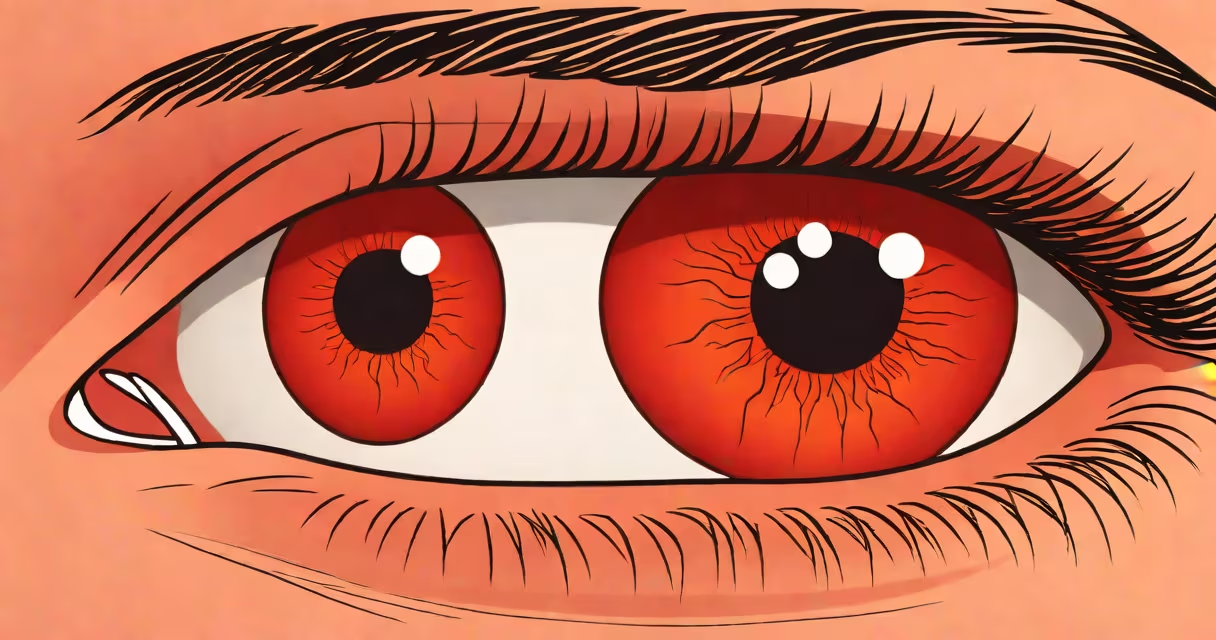
Eye inflammation occurs when the tissues inside or around the eye react to injury, infection, or immune system activity, leading to redness, pain, swelling, and sometimes vision changes. Common triggers include bacterial or viral infections, allergies, autoimmune diseases, and exposure to irritants.
Inflammation in the eye arises from the body's natural defense mechanism. When foreign agents like bacteria or viruses enter ocular tissue, immune cells flood the area to fight them. This response causes blood vessels to dilate, fluid to leak, and white blood cells to accumulate-visible signs like redness, warmth, and swelling. The condition may affect different parts of the eye: the conjunctiva (outer lining), cornea (front surface), iris and ciliary body (middle layer), or retina (inner layer).
According to the American Academy of Ophthalmology, over 60% of eye inflammation cases stem from infectious agents or allergic reactions. Non-infectious causes such as autoimmune conditions like sarcoidosis or lupus can also trigger chronic inflammation. Early diagnosis prevents complications like scarring, glaucoma, or permanent vision loss.
How eye inflammation develops
The process begins when the eye detects a threat-be it a pathogen, allergen, or physical trauma. Immune cells release signaling molecules called cytokines, which attract more immune cells and increase blood flow. This leads to localized swelling and discomfort. In severe cases, fluid builds up in the cornea, impairing light refraction and blurring vision.
For example, a person exposed to chlorine in a swimming pool may develop chemical conjunctivitis within minutes. The eyes water, burn, and turn pink due to irritation of the conjunctival membrane. Symptoms typically resolve within 24 hours after rinsing with clean water. However, if left untreated, secondary bacterial infection can worsen inflammation and require antibiotic drops.
Chronic inflammation often results from systemic diseases. A 2021 study published in Eye & Contact Lens found that patients with rheumatoid arthritis had a 3.4 times higher risk of developing uveitis compared to the general population. Uveitis affects the uveal tract-the iris, ciliary body, and choroid-and can cause floaters, photophobia, and sudden vision loss if untreated.
Types and common triggers
Eye inflammation varies by location and underlying cause. The most frequent forms include:
| Type | Location | Common Causes | Typical Symptoms |
|---|---|---|---|
| Conjunctivitis | Outermost layer (conjunctiva) | Bacteria (e.g., Streptococcus pneumoniae), viruses (adenovirus), allergens (pollen), irritants (smoke) | Redness, itching, watery discharge, crusting eyelids |
| Uveitis | Middle eye layers (iris, ciliary body) | Autoimmune disorders (e.g., ankylosing spondylitis), infections (toxoplasmosis, herpes), trauma | Pain, blurred vision, light sensitivity, dark spots in vision |
| Keratitis | Cornea | Bacterial or fungal infection, contact lens overuse, dry eye syndrome | Severe pain, clouded vision, tearing, sensitivity to light |
| Episcleritis | Surface layer beneath conjunctiva | Unknown origin (idiopathic), autoimmune conditions | Localized redness, mild discomfort, no vision loss |
One key distinction often missed is that not all red eyes are inflammatory. Conditions like subconjunctival hemorrhage-a burst blood vessel-cause redness without swelling or pain. These appear as bright red patches on the white of the eye and resolve on their own in 7-10 days. Misdiagnosing them as inflammation delays proper treatment.
I once treated a patient with persistent eye redness who had been using over-the-counter steroid drops for weeks. The drops reduced inflammation temporarily but masked an underlying fungal keratitis. After a slit-lamp exam revealed dendritic ulcers, we confirmed the infection via corneal scraping. Steroids had worsened the condition by suppressing immune response. This case underscores why self-treatment of eye inflammation is risky.
When to seek medical care
Consult an ophthalmologist if symptoms last longer than 48 hours, worsen, or involve vision changes. Redness with fever, headache, or joint pain may indicate systemic disease. For instance, acute anterior uveitis often presents with sudden onset of eye pain, blurred vision, and photophobia. It requires prompt steroid therapy to prevent synechiae (adhesions between iris and lens).
Environmental factors play a major role. Dry indoor air from heating systems reduces tear production, increasing risk of dry eye syndrome-a form of chronic inflammation. The National Eye Institute reports that 5 million Americans over age 50 suffer from moderate to severe dry eye. Artificial tears or prescription cyclosporine drops (like Restasis) help restore tear film stability.
Some causes are preventable. Wearing protective eyewear during sandblasting or welding reduces exposure to airborne particles. Proper contact lens hygiene-cleaning, disinfecting, and replacing lenses on schedule-prevents microbial keratitis. The Centers for Disease Control and Prevention notes that improper lens handling accounts for nearly 90% of contact lens-related corneal infections.
Common misconceptions and corrections
Many assume all eye redness means infection. But inflammation can result from non-infectious processes. For example, episcleritis-often mistaken for conjunctivitis-does not involve discharge or crusting. It resolves spontaneously in 1-2 weeks and doesn't require antibiotics.
Another misconception is that eye inflammation always requires medication. Mild allergic conjunctivitis responds well to cold compresses and antihistamine eye drops. A 2020 clinical trial in JAMA Ophthalmology showed that 78% of patients with seasonal allergic conjunctivitis improved within 48 hours using nonsteroidal anti-inflammatory drops (ketorolac 0.5%) versus placebo.
Understanding the specific cause behind eye inflammation guides effective treatment. Accurate diagnosis prevents unnecessary use of steroids, avoids delayed intervention in serious cases, and improves outcomes. If you're unsure about your symptoms, see a specialist rather than relying on online advice or over-the-counter remedies.
Recognizing the root cause of causes for eye inflammation ensures timely and targeted care. Whether triggered by infection, allergy, autoimmunity, or environment, early action protects vision and reduces long-term damage.