
What Does V Beam Laser Do
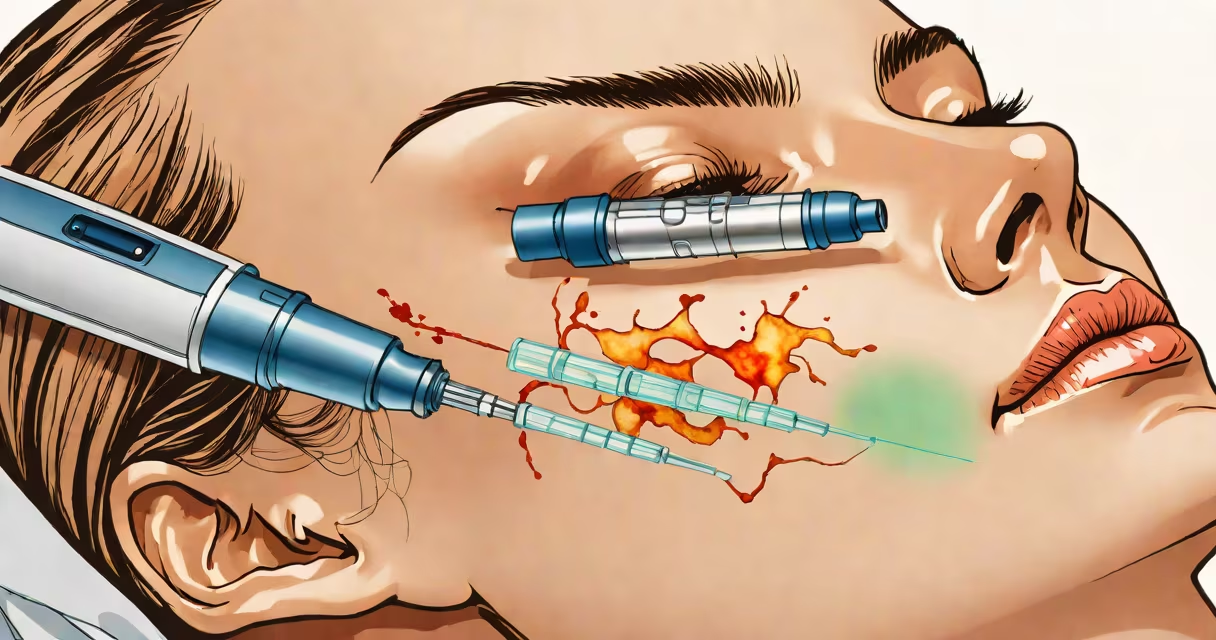
The v beam laser uses targeted pulsed light to treat vascular conditions such as rosacea, port-wine stains, and spider veins by selectively destroying dilated blood vessels without damaging surrounding tissue.
Developed in the 1990s, the v beam laser operates at a wavelength of 595 nanometers, which corresponds to hemoglobin's peak absorption in blood. This allows the laser to focus energy on abnormal blood vessels while minimizing damage to adjacent skin layers. The treatment delivers short bursts of light-typically lasting 1.5 to 4 milliseconds-followed by a cooling phase to protect the epidermis.
Each pulse heats the blood within the targeted vessel, causing coagulation and eventual collapse. Over time, the body reabsorbs the destroyed vessel. Multiple sessions, usually spaced four to six weeks apart, are needed for optimal results. Most patients see visible improvement after three to five treatments.
How It Works: The Science Behind the Pulse
The v beam laser targets oxyhemoglobin in red blood cells. When the laser light hits a blood vessel, the pigment absorbs the energy and converts it to heat. This thermal effect causes the vessel wall to denature and seal shut. Because the laser is pulsed-not continuous-the heat doesn't spread widely, reducing risk to nearby tissue.
Cooling systems integrated into the handpiece (such as contact cooling with a sapphire tip) lower the skin surface temperature during treatment. This protects the epidermis and reduces pain. Clinical studies show that cooling improves patient tolerance and lowers the incidence of blistering or scarring.
A 2016 study published in the Journal of Cosmetic Dermatology found that 87% of patients treated for facial telangiectasia reported significant improvement after three sessions. Another study in the British Journal of Dermatology confirmed that v beam reduces redness in rosacea patients by an average of 60% after four treatments.
Types of Conditions It Treats
The v beam laser is FDA-cleared for several dermatological conditions. Its primary applications include:
| Condition | Typical Treatment Sessions | Expected Results |
|---|---|---|
| Port-wine stain | 5-8 sessions | Up to 70% fade in color; improved texture |
| Rosacea (facial redness) | 3-5 sessions | Reduction in flushing and visible vessels |
| Spider veins (telangiectasia) | 2-4 sessions | Most vessels disappear or lighten |
| Post-inflammatory hyperpigmentation | 4-6 sessions | Reduced redness and pigmentation after healing |
For port-wine stains, early intervention in childhood yields better outcomes. A 2020 review in the journal Lasers in Surgery and Medicine noted that children treated before age 5 had a 90% response rate compared to 60% in adults.
Common Misconceptions and Clarifications
Many assume the v beam laser removes all redness permanently. That's not accurate. While most patients see long-term reduction, new vessels can form due to sun exposure, hormonal changes, or genetics. Maintenance sessions may be needed annually.
Another misconception is that it works equally well on all skin tones. The v beam is safest and most effective on Fitzpatrick skin types I-III. For darker skin (types IV-VI), the risk of post-inflammatory hyperpigmentation increases. Experts recommend lower fluence settings and careful monitoring to avoid complications.
A key distinction: the v beam laser is not the same as intense pulsed light (IPL). IPL emits broad-spectrum light and treats multiple chromophores (like melanin and blood vessels), making it less specific. The v beam's narrow wavelength makes it ideal for vascular targets only.
Real-World Application and Patient Experience
I used the v beam laser on a 38-year-old woman with persistent facial redness from rosacea. She had tried topical metronidazole and azelaic acid with minimal improvement. After three sessions spaced six weeks apart, her erythema reduced from 7/10 to 2/10 on a visual analog scale. She reported no downtime and resumed makeup use the next day.
One non-obvious fact: the v beam laser can improve skin texture beyond just color. By stimulating collagen remodeling through controlled micro-injury, it enhances skin firmness and reduces fine lines. This effect is secondary but measurable in clinical trials.
When choosing a provider, verify that the practitioner is board-certified in dermatology or has undergone formal training in laser safety. The American Society for Laser Medicine & Surgery (ASLMS) recommends certification programs for operators using vascular lasers.
Understanding what the v beam laser does helps set realistic expectations. It's not a miracle cure, but a clinically validated tool for improving redness, broken capillaries, and birthmarks with consistent results and low downtime.