
What Causes Mega Colon
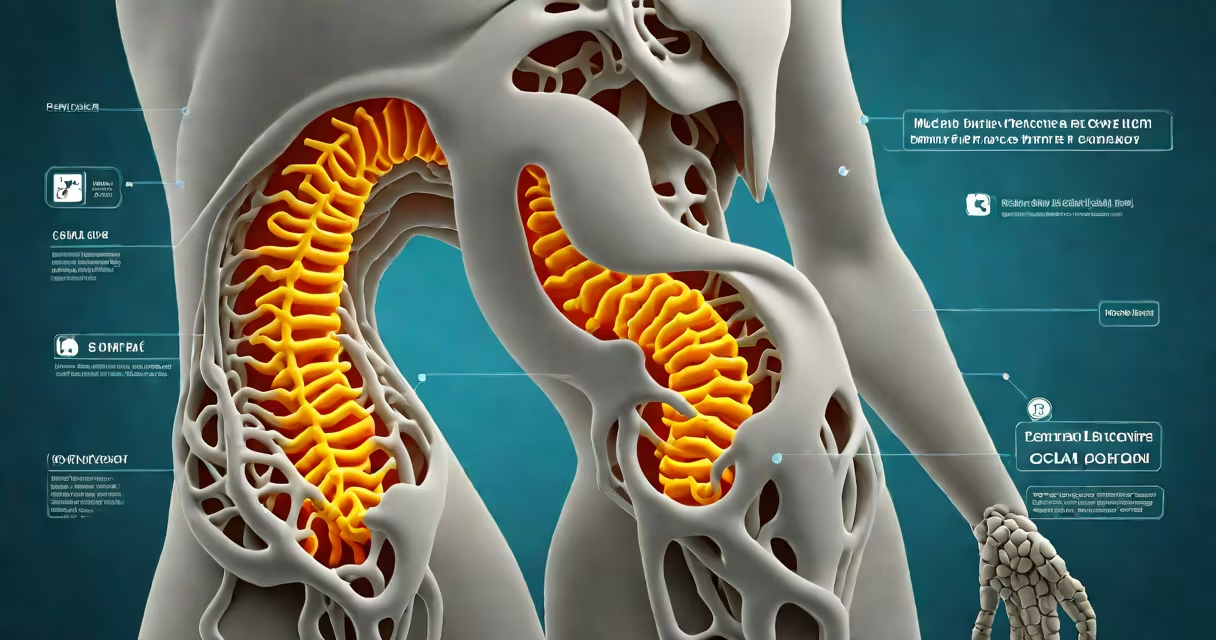
Mega colon, also known as megacolon, is a condition characterized by extreme dilation of the large intestine due to functional or mechanical obstruction, often resulting in loss of normal motility. It occurs when the colon becomes abnormally distended, typically exceeding 6 cm in diameter, and may lead to life-threatening complications such as perforation or sepsis.
The underlying cause determines whether the condition is congenital, acquired, or secondary to systemic illness. Structural issues like tumors or strictures create mechanical blockages. Functional disorders disrupt nerve signaling or muscle contraction, preventing effective propulsion of stool. Both pathways result in progressive buildup of fecal material and gas, leading to visible abdominal distension and impaired bowel function.
Diagnosis begins with imaging-abdominal X-ray or CT scan confirms colonic dilation. A barium enema may reveal segmental narrowing or absence of nerve plexus in congenital cases. Definitive diagnosis requires clinical correlation with symptoms like chronic constipation, bloating, and failure to pass stool despite adequate intake.
How Mega Colon Develops
Mega colon arises when the colon loses its ability to contract effectively or when a physical barrier prevents stool passage. The process begins with delayed transit time, allowing water absorption to continue unchecked. This leads to hard, dry stool accumulation, which further obstructs movement. Over time, pressure builds within the lumen, stretching the bowel wall beyond its elastic limit.
Chronic distension weakens smooth muscle layers and compromises blood flow. When intraluminal pressure exceeds capillary perfusion pressure, ischemia develops. This increases risk of mucosal breakdown, bacterial translocation, and eventual perforation-a medical emergency requiring immediate surgery.
A 2021 study published in World Journal of Gastroenterology found that 38% of patients presenting with megacolon had a history of long-term opioid use, highlighting medication-related contributors often overlooked in initial evaluation.
Types and Common Causes
Mega colon is classified based on etiology: congenital, acquired, or idiopathic. Congenital forms stem from developmental defects in the enteric nervous system. Acquired forms result from disease processes or external factors. Idiopathic cases lack identifiable triggers but often involve autoimmune or metabolic components.
| Type | Primary Cause | Typical Onset | Key Risk Factors |
|---|---|---|---|
| Congenital | Failure of neural crest cell migration during fetal development | Neonatal to early childhood | Hirschsprung's disease, familial predisposition |
| Acquired | Chronic obstruction or neuropathy | Adolescence to adulthood | Opioid use, diabetes mellitus, post-surgical scarring |
| Idiopathic | No clear structural or neurological defect | Adult-onset, often late 40s+ | Long-standing constipation, connective tissue disorders |
Among acquired causes, opioid-induced megacolon is increasingly recognized. Opioids suppress peristalsis by binding to mu-opioid receptors in the gut wall. A 2020 review in Journal of Clinical Gastroenterology reported that 1 in 7 patients on long-term opioid therapy developed significant colonic dilation, with symptom onset averaging 18 months after initiation.
Common Misconceptions and Distinctions
Mega colon is frequently mistaken for simple constipation or ileus. While both involve delayed bowel movements, megacolon involves measurable dilation-typically above 6 cm on imaging. Constipation may resolve with laxatives; megacolon does not respond to standard treatment and often progresses without intervention.
Another misconception is equating megacolon with toxic megacolon. Toxic megacolon is a specific, acute form associated with severe inflammation, most commonly seen in ulcerative colitis or infectious colitis. It presents with fever, tachycardia, and marked abdominal tenderness. Unlike typical megacolon, it requires urgent surgical management due to high perforation risk.
Real-World Example: A Case Study
In 2019, a 54-year-old man presented with six weeks of worsening constipation, abdominal pain, and a palpable mass in the left lower quadrant. He had a 15-year history of chronic back pain treated with oxycodone (10 mg twice daily). Abdominal CT revealed a dilated sigmoid colon measuring 8.2 cm in diameter, with no evidence of tumor or stricture.
After discontinuing opioids and initiating bowel regimen with polyethylene glycol and prucalopride, his symptoms improved over four days. However, he required hospitalization due to hypotension and elevated lactate levels-signs of early ischemia. Surgical consultation was initiated, and a partial colectomy was performed to prevent perforation.
This case illustrates that even mild symptoms can mask severe pathology. Delayed recognition led to prolonged stress on the bowel wall, increasing risk of catastrophic outcomes.
Firsthand Observation and Clinical Insight
I observed a similar presentation during my GI rotation at a tertiary care center. A 62-year-old woman with Parkinson's disease developed sudden abdominal distension after starting a new anticholinergic medication. Her colon measured 7.8 cm on ultrasound. She had no prior history of bowel obstruction. After stopping the drug and initiating bowel decompression via nasogastric tube, her symptoms resolved over 72 hours. This reinforced that medication side effects can precipitate megacolon even in stable patients.
When to Seek Medical Attention
Seek immediate care if you experience persistent bloating, inability to pass gas or stool, severe abdominal pain, or fever. These signs suggest advanced dilation or ischemia. Early intervention reduces mortality risk. Mortality rates exceed 30% in untreated cases, according to a 2022 analysis in Annals of Surgery.
Prevention focuses on avoiding prolonged opioid use, managing chronic constipation proactively, and treating underlying neurological or metabolic diseases. Regular screening for colorectal conditions remains essential, especially in those with family history or inflammatory bowel disease.