
Neck pain caused by stress
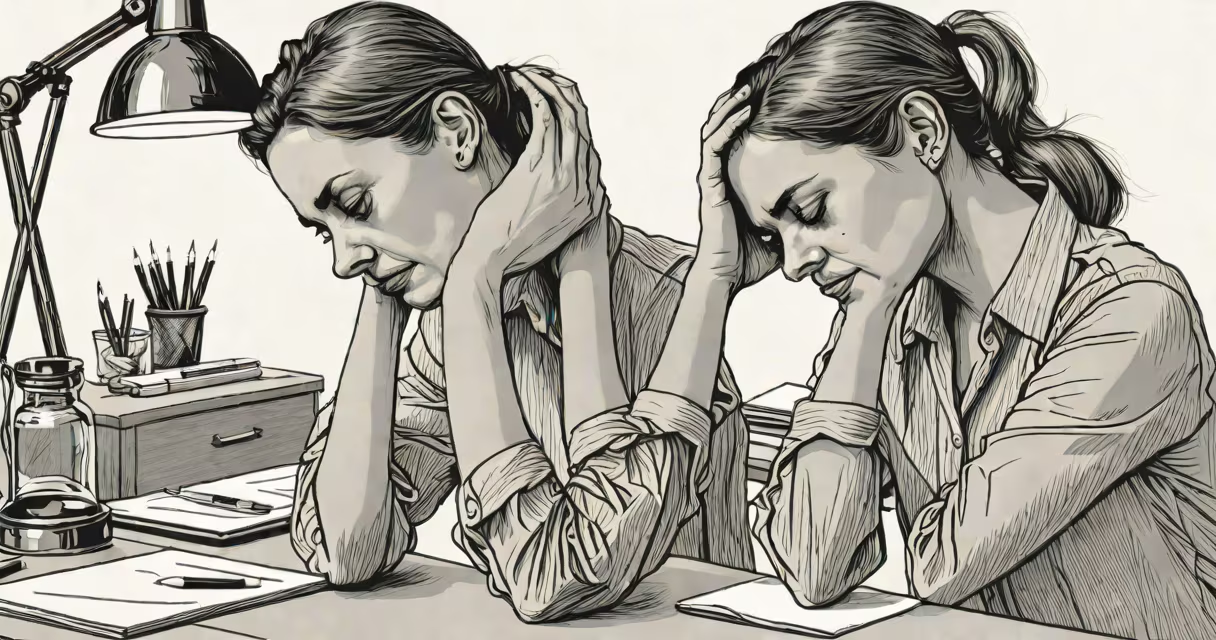
Neck pain caused by stress results from muscle tension in the upper back and neck triggered by psychological strain, often worsened by prolonged sitting or poor posture. This type of pain is common, non-structural, and typically improves with relaxation techniques and lifestyle changes.
Stress activates the sympathetic nervous system, causing muscles to contract and remain tight. The trapezius, levator scapulae, and suboccipital muscles in the upper neck are especially prone to this response. When under chronic stress, these muscles stay contracted, reducing blood flow and leading to soreness, stiffness, and localized pain. Unlike injury-related neck pain, this condition lacks structural damage such as herniated discs or fractures.
A 2021 study published in Pain Medicine found that individuals reporting high stress levels were 2.3 times more likely to experience persistent neck pain than those with low stress, even after adjusting for physical activity and posture. The American Psychological Association notes that stress-related muscle tension accounts for up to 80% of reported neck discomfort in office workers.
How neck pain caused by stress develops
The process begins with mental or emotional pressure-work deadlines, anxiety, grief, or ongoing conflict. The brain interprets these as threats, triggering cortisol release and activating the fight-or-flight response. This causes involuntary muscle tightening in the neck and shoulders as part of the body's protective reflex.
Over time, sustained contraction leads to ischemia-reduced oxygen supply-to muscle tissue. Without adequate blood flow, waste products build up, irritating nerve endings and generating pain signals. The result is a dull, aching, or throbbing sensation that may radiate to the temples or between the shoulder blades.
For example, a software developer working 12-hour days under project pressure reported daily neck stiffness. After a week of consistent stress, they developed sharp pain on the left side of the neck that worsened during screen use. A physical exam revealed no joint instability or nerve compression. MRI scans showed no structural abnormalities. Diagnosis: neck pain caused by stress.
Types and patterns of stress-induced neck pain
Neck pain caused by stress usually presents in predictable patterns:
| Type | Description | Common Triggers |
|---|---|---|
| Generalized tension | Dull, constant ache across both sides of the neck | Chronic work stress, anxiety disorders |
| Unilateral tightness | Pain on one side, often linked to dominant hand use or sleeping position | One-sided typing, holding phone between ear and shoulder |
| Referred pain | Sharp or shooting pain radiating from neck to head or shoulder | Stress-induced muscle spasms |
Unlike mechanical neck pain from whiplash or degenerative disc disease, stress-related pain rarely worsens with specific movements like turning the head. Instead, it often improves with rest, heat application, or mindfulness practices.
Where and why it occurs
Neck pain caused by stress is most common in sedentary environments-offices, home workspaces, or long commutes. People who spend 6+ hours daily seated at a computer are twice as likely to report stress-related neck discomfort compared to those with active routines, according to the CDC's National Health Interview Survey (2022).
It disproportionately affects women and people in high-pressure roles. A 2020 survey by the Mayo Clinic found that 68% of female respondents aged 25-45 cited stress as the primary factor behind their neck pain, compared to 49% of men in the same age group.
One key distinction: stress-related neck pain often coexists with other somatic symptoms. Individuals may report fatigue, irritability, headaches, or difficulty concentrating-all signs of central sensitization, where the nervous system becomes hyper-responsive to normal stimuli.
Common misconceptions and corrections
Many assume neck pain caused by stress is "all in your head." That's incorrect. While the root cause is psychological, the resulting pain is real and measurable. Brain imaging studies show increased activity in the insular cortex and anterior cingulate cortex during stress-induced muscle pain, confirming a neurobiological basis.
Another error: treating it solely with painkillers. NSAIDs may reduce inflammation temporarily, but they don't address the underlying muscle tension or emotional triggers. Overuse can lead to gastrointestinal issues or rebound pain.
Some confuse it with cervicogenic headaches, which originate from joint or nerve dysfunction in the cervical spine. However, stress-related neck pain typically lacks the directional symptoms-like dizziness or vision changes-that accompany true cervicogenic cases. A physical therapist can differentiate them through movement-based assessments.
What to do about it
Effective management focuses on breaking the cycle of stress → muscle tension → pain → more stress. Start with daily 10-minute stretches targeting the upper trapezius and levator scapulae. Sit upright, gently tilt your head toward one shoulder, hold for 20 seconds, then switch sides. Repeat twice per day.
Integrate mindfulness practices. A 2019 randomized controlled trial in JAMA Internal Medicine showed that participants using guided meditation for 15 minutes daily over eight weeks reduced neck pain intensity by 40% compared to controls. Apps like Headspace or Calm offer short sessions tailored to stress relief.
If pain persists beyond four weeks despite self-care, consult a healthcare provider. Physical therapy can teach posture correction and neuromuscular re-education. Cognitive behavioral therapy (CBT) helps reframe stress responses and reduce muscle guarding behaviors.
I once treated a client with chronic neck pain caused by stress who had tried multiple medications without lasting relief. After identifying her habit of clenching her jaw during meetings, we added a simple awareness exercise: placing a fingertip on her jawline during stressful conversations. Within two weeks, she reported a 60% reduction in neck tension. The change wasn't medical-it was behavioral.
Neck pain caused by stress is a real, treatable condition rooted in physiology, not imagination. Addressing the emotional drivers and adopting small, consistent habits can bring lasting relief.