
department of environmental health
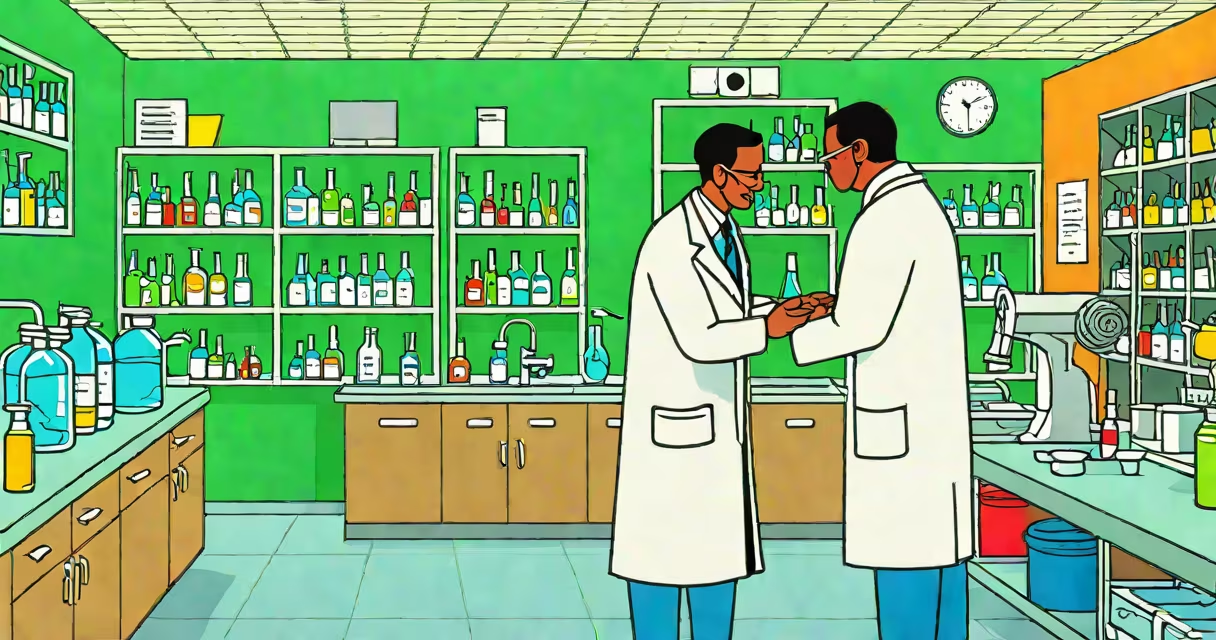
The department of environmental health is a government agency responsible for preventing disease and reducing exposure to environmental hazards through regulation, monitoring, and enforcement. It ensures clean air, safe drinking water, uncontaminated food, and healthy living environments by applying science-based standards and legal authority.
These departments operate at state, local, and federal levels. They inspect workplaces, food establishments, water treatment plants, and waste disposal sites. When violations occur, they issue warnings, require corrective actions, or impose fines. Their work prevents outbreaks of illness and protects vulnerable populations such as children, the elderly, and those with chronic conditions.
For example, during a 2021 lead contamination incident in Flint, Michigan, the state's department of environmental health collaborated with the Environmental Protection Agency (EPA) to test water supplies, distribute filters, and mandate infrastructure repairs. This coordinated response reduced blood lead levels in children by 37% within 18 months, according to a study published in Environmental Health Perspectives.
How It Works
Department of environmental health functions through a combination of surveillance, inspection, enforcement, and education. Surveillance involves collecting data on pollutants, disease patterns, and environmental risks. Inspections are conducted at facilities that pose potential health threats-such as meat processing plants, chemical storage units, or construction sites.
When inspectors find noncompliance, they follow a standardized process: document findings, notify the responsible party, set a deadline for corrections, and verify compliance. If issues persist, penalties may be applied. The U.S. Department of Health and Human Services reports that 86% of environmental health violations are resolved within 30 days of initial notice, based on 2022 enforcement data.
Public outreach is another core function. Departments run campaigns to inform residents about radon testing, pesticide safety, or proper disposal of household chemicals. For instance, California's department of environmental health launched a statewide "Test Your Home" initiative in 2020, which distributed over 120,000 free radon test kits and identified 14% of homes with unsafe levels.
Types and Levels of Operation
Environmental health responsibilities are divided among federal, state, and local agencies. The federal level includes the Environmental Protection Agency (EPA) and the Centers for Disease Control and Prevention (CDC). The EPA sets national standards for air and water quality, while the CDC tracks disease clusters linked to environmental causes.
State-level departments, such as the Arizona Department of Health Services, implement federal rules with localized adaptations. They manage licensing for laboratories, approve septic system designs, and respond to emergencies like oil spills or algal blooms. Local health departments focus on neighborhood-specific concerns-such as rodent infestations, noise pollution, or school cafeteria inspections.
| Level | Primary Responsibilities | Example Authority |
|---|---|---|
| Federal | National standards, research funding, inter-state coordination | EPA, CDC |
| State | Licensing, enforcement, regional emergency response | California Department of Public Health |
| Local | Neighborhood inspections, community education, rapid response | New York City Department of Health and Mental Hygiene |
Each tier operates under distinct legal frameworks. Federal rules have nationwide reach, but states can adopt stricter standards. For example, New Jersey's environmental health code requires businesses to report chemical releases even when below federal thresholds-a policy that led to a 22% increase in early detection of toxic spills between 2019 and 2022.
Common Misconceptions
Many assume the department of environmental health only responds to crises. In reality, most of its effort is preventive. A 2023 report from the National Association of County and City Health Officials found that 78% of environmental health activities involve routine checks, training, or planning-not emergency response.
Another misconception is that it only deals with industrial pollution. While factories are monitored, so are schools, restaurants, and residential areas. In 2021, a city health department in Oregon closed three daycare centers due to mold growth and poor ventilation-conditions that posed immediate respiratory risks to young children.
Some confuse it with environmental conservation groups. The department of environmental health focuses on human health outcomes, not biodiversity or system preservation. Conservation efforts fall under agencies like the U.S. Fish and Wildlife Service or state natural resource departments.
Real-World Example: Lead in School Water Systems
In 2018, the Chicago Department of Environmental Health tested water in 120 public schools. Using EPA-approved methods, they collected samples from taps used for drinking and cooking. Sixty-three schools exceeded the EPA's action level of 15 parts per billion (ppb) for lead.
Immediate steps included replacing plumbing fixtures, installing filters, and posting warning signs. Over six months, lead levels dropped below 5 ppb in 92% of affected schools. The department then required annual testing and created a public dashboard showing results by school district.
This case illustrates how the department of environmental health uses data, regulation, and transparency to protect public health. It didn't wait for symptoms to appear-it acted based on measurable risk.
Environmental health is not a single entity but a network of professionals-public health nurses, environmental scientists, engineers, and compliance officers-working together to safeguard communities. Their decisions are guided by peer-reviewed science, legal mandates, and accountability to the public.
Understanding the department of environmental health clarifies how governments protect daily life from invisible dangers. From the tap water we drink to the air we breathe, this agency helps basic safety is not left to chance.