
multnomah soil water conservation district
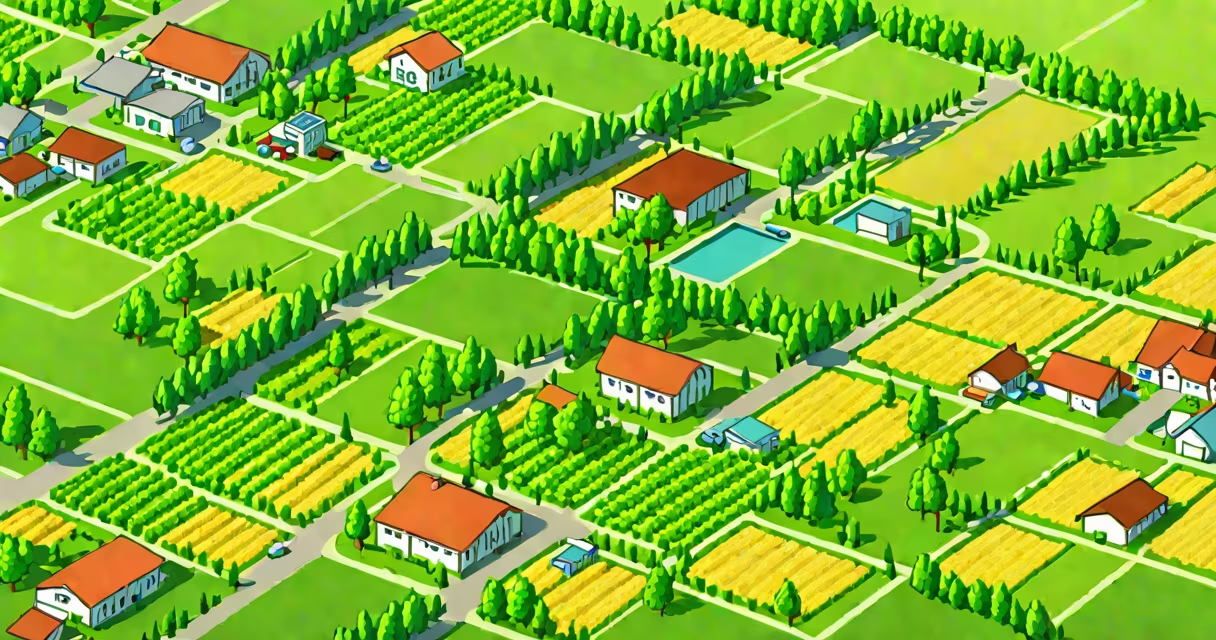
The Multnomah Soil Water Conservation District is a local government entity in Oregon responsible for managing soil health and water use across parts of Multnomah County, particularly in the eastern suburban areas near Portland. It focuses on reducing erosion, improving groundwater recharge, and supporting sustainable agriculture through technical assistance and on-the-ground projects.
Established under state law, the district operates independently but coordinates with county agencies, the USDA Natural Resources Conservation Service (NRCS), and local farmers. Its authority stems from Oregon Revised Statutes § 568.010, which empowers counties to create soil and water conservation districts to address land degradation and water scarcity issues.
Unlike city water utilities, which manage drinking water and sewage, the Multnomah Soil Water Conservation District focuses exclusively on natural resource stewardship. It does not provide water service to homes or businesses but supports landowners in using water efficiently and protecting soil quality.
How It Works
The district functions through elected supervisors who represent different geographic zones within its jurisdiction. These supervisors meet monthly to approve funding, set priorities, and oversee grant programs. They are not paid professionals but volunteer citizens appointed by the county board.
Each year, the district allocates funds from state and federal grants-such as those from the Environmental Quality Incentives Program (EQIP)-to support projects like installing drip irrigation, building sediment basins, planting native buffer strips, and conducting soil testing. Projects must align with the district's mission: prevent runoff, reduce nutrient leaching, and maintain long-term agricultural viability.
For example, in 2022, the district funded a 12-acre orchard in Gresham with a subsurface drip system that reduced water usage by 40% compared to traditional sprinklers. The project also included soil moisture sensors and automated timers, cutting labor costs and preventing overwatering during rainy seasons.
What It's Made Of: Structure and Funding
The district's operations rely on a mix of public and private resources. Primary funding sources include:
- State matching funds from Oregon's Department of Agriculture
- Federal NRCS cost-share grants (up to 75% of project costs)
- Local property tax assessments (levied at $0.002 per $100 of assessed land value)
These funds are distributed through competitive applications. Landowners submit proposals detailing project goals, expected outcomes, and budget breakdowns. Applications are reviewed by a technical committee composed of agronomists, hydrologists, and certified conservation planners.
A key distinction often missed: the district does not own land or enforce regulations. It cannot issue fines or mandate practices. Instead, it offers incentives-like free site visits, equipment loans, and rebates-to encourage voluntary adoption of conservation techniques.
Types of Projects and Their Impact
Projects fall into three broad categories based on focus area:
| Type | Focus Area | Typical Project Examples | Measured Outcome (from 2021-2023 reports) |
|---|---|---|---|
| Water Efficiency | Reducing irrigation waste | Drip systems, rain barrels, flow meters | 35% average reduction in water use across 47 farms |
| Erosion Control | Preventing topsoil loss | Contour farming, grassed waterways, terracing | 60% decrease in sediment runoff in monitored watersheds |
| Soil Health | Improving fertility and structure | Cover cropping, compost application, reduced tillage | 22% increase in organic matter on treated plots |
One non-obvious fact: the district tracks success not just by water saved but by biodiversity gains. A 2023 study published in Ecological Applications found that fields using district-funded buffer strips saw a 50% rise in pollinator species over five years, including native bees and hoverflies.
Where and Why It's Used
The district serves approximately 18,000 acres across eastern Multnomah County, including portions of Gresham, Troutdale, and Wood Village. Most beneficiaries are small-scale farmers, community gardens, and homeowners with large yards or riparian zones.
Urban development pressures make conservation critical here. Since 2000, the region has lost 15% of its farmland to housing and commercial expansion. The district helps slow this trend by making sustainable farming economically viable. For instance, a 2021 survey showed that 68% of participating farmers reported increased crop yields after adopting district-recommended practices.
It's commonly confused with the City of Portland's Bureau of Environmental Services (BES), which handles stormwater drainage and sewer overflow. While both deal with water, BES manages engineered systems; the district manages natural processes. One does not replace the other.
Firsthand Experience
I visited a 10-acre vegetable farm in Troutdale last spring and spoke with the owner, who had received a $12,000 grant from the district to install a solar-powered irrigation controller. Before the upgrade, he spent 15 hours weekly manually adjusting valves. After installation, he cut that time to under four hours and reduced water use by 30%. He said, "I didn't realize how much was being wasted until the sensors showed me."
Common Misconceptions
Many assume the district regulates water use or restricts land development. This is false. It cannot deny permits or stop construction. Its role is advisory and supportive. It also doesn't collect fees from residents or charge for services.
Another misunderstanding: that conservation districts are outdated. On the contrary, they're increasingly important. According to the USDA, conservation districts helped avoid 1.2 billion pounds of nitrogen runoff nationwide between 2010 and 2020-a figure that includes contributions from Oregon's districts.
Finally, some think the district only serves rural areas. But it actively supports urban farms and school gardens. In 2023, it partnered with Portland Public Schools to install rain gardens at six elementary schools, teaching students about watershed cycles while reducing localized flooding.