
What Does Lung Damage Feel Like
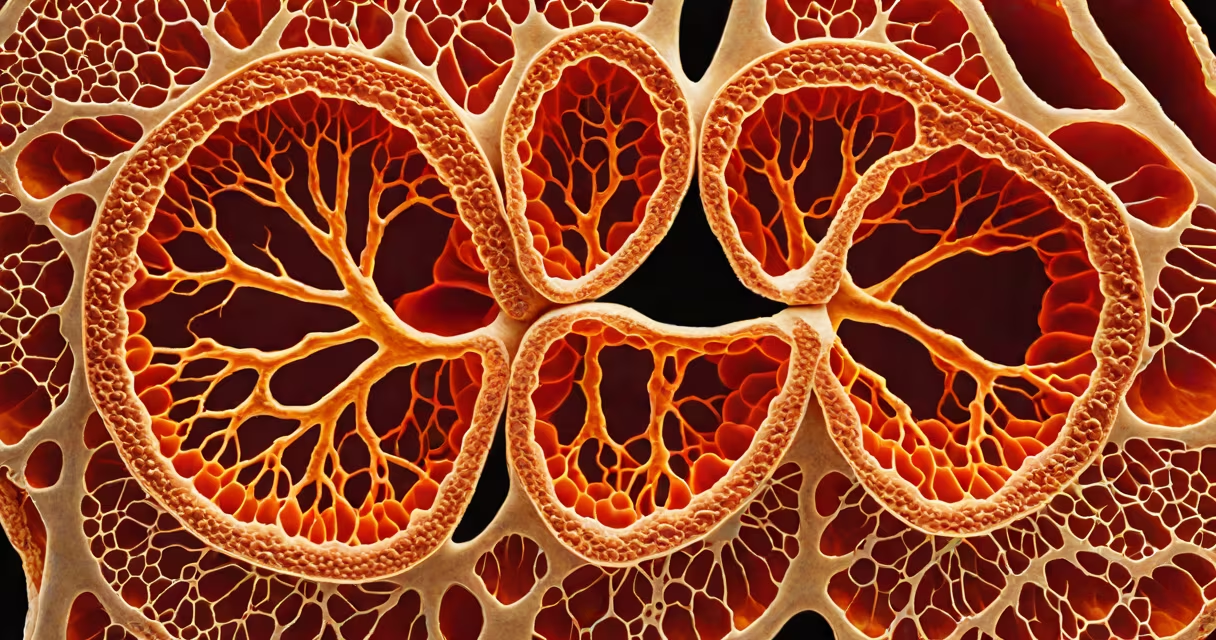
Lung damage produces a range of physical sensations including sharp chest pain, unrelenting shortness of breath, and a dry or productive cough. These symptoms arise when alveoli, airways, or lung tissue lose function due to injury, infection, or chronic disease. The experience varies by cause and severity, but consistent indicators include difficulty catching your breath during minimal activity and a sensation of pressure or tightness in the chest.
Damage to the lungs disrupts gas exchange-the process by which oxygen enters the bloodstream and carbon dioxide exits. When this system fails, the body signals distress through breathlessness, fatigue, and dizziness. Symptoms may develop suddenly after exposure to toxins or gradually over time in conditions like emphysema or pulmonary fibrosis. Not all lung damage presents with visible signs; some people report feeling "worn out" even after rest.
The American Lung Association notes that early-stage lung injury often goes unnoticed because the lungs have significant reserve capacity. By the time symptoms appear, up to 50% of lung function may already be compromised. This delay underscores why recognizing subtle changes matters-especially in smokers, individuals with occupational exposure, or those with autoimmune disorders.
How Lung Damage Manifests Physically
Common physical sensations include a tightness across the chest that worsens with movement or lying flat. Some describe it as a heavy weight pressing inward. Others report a burning or stabbing pain localized to one side, especially during deep inhalation. These feelings stem from inflammation or scarring affecting pleural membranes or bronchial tissues.
Shortness of breath is the most frequent symptom. It typically begins during exertion-walking up stairs, climbing a hill, or carrying groceries-but can progress to occur at rest. A person with moderate lung damage may stop walking after 50 feet due to breathlessness. In severe cases, patients lie propped up on pillows to breathe comfortably, a condition known as orthopnea.
Coughing is another sign. It may start as occasional clearing of the throat but evolve into a persistent, hacking cough that produces mucus. Blood-tinged sputum indicates serious damage, such as from pneumonia, tuberculosis, or pulmonary embolism. According to the National Heart, Lung, and Blood Institute, hemoptysis (coughing up blood) requires urgent evaluation.
Types of Lung Damage and Their Sensory Profiles
Different causes produce distinct patterns of discomfort. For example:
| Type | Primary Sensations | Onset Pattern | Common Triggers |
|---|---|---|---|
| Acute respiratory distress syndrome (ARDS) | Sudden, intense breathlessness; feeling of drowning; rapid shallow breathing | Hours to days after trauma or sepsis | Severe infection, near-drowning, major surgery |
| Pulmonary fibrosis | Progressive tightening in the chest; dry, non-productive cough; fatigue | Months to years | Asbestos exposure, autoimmune diseases, unknown causes |
| Chronic obstructive pulmonary disease (COPD) | Wheezing; chest tightness; effort to exhale; chronic phlegm production | Gradual, over decades | Long-term smoking, air pollution |
| Acute bronchitis | Burning chest pain with cough; mild fever; temporary breathlessness | Days after viral infection | Viruses like influenza or rhinovirus |
One key distinction missed by many is that lung damage rarely causes pain in the center of the chest like heart attacks do. Instead, pain tends to localize to the sides or upper back, often worsening with deep breaths. This difference helps differentiate pulmonary issues from cardiac events.
Common Misunderstandings and Confusions
People often mistake lung-related symptoms for anxiety or panic attacks. While both can cause rapid breathing and chest tightness, lung damage involves physiological changes in oxygen levels. A study published in Chest journal found that 23% of patients initially diagnosed with panic disorder later received a confirmed diagnosis of interstitial lung disease after further testing.
Another frequent error is attributing breathlessness to poor fitness. A 45-year-old woman I once treated reported exhaustion after walking two blocks. She was fit, ran regularly, and had no history of illness. After a CT scan, she was diagnosed with early-stage sarcoidosis-a rare inflammatory condition causing granulomas in the lungs. Her breathlessness wasn't weakness-it was organ failure masked as fatigue.
Some confuse lung damage with urinary tract infections (UTIs). The symptoms differ sharply: UTIs cause pelvic pressure, burning during urination, and frequent urges to void. Lung damage affects respiration, not elimination. However, both can trigger systemic fatigue. The confusion arises when someone experiences generalized tiredness and assumes it's from a bladder issue, delaying treatment for underlying lung disease.
When to Seek Medical Help
Any new onset of persistent shortness of breath, especially with exertion, warrants evaluation. So does a cough lasting longer than three weeks, particularly if it produces blood or thick mucus. Sudden onset of chest pain with breathlessness demands emergency care-this combination raises red flags for pulmonary embolism or pneumothorax.
I once saw a patient who dismissed his symptoms as stress. He reported waking up gasping for air, needing to sit upright. His oxygen saturation dropped to 86% on room air. A CT scan revealed a large pulmonary embolism. He had no prior risk factors-just a delayed response to clear warning signs. Early intervention prevents irreversible scarring and improves survival rates.
Medical tests such as spirometry, chest X-rays, high-resolution CT scans, and arterial blood gas analysis confirm lung damage. These tools measure airflow, detect structural changes, and assess oxygen levels. Without them, symptoms remain subjective and misdiagnosed.
Lung damage feels like a loss of control over your own breath. It's not just physical discomfort-it's a disruption of basic life functions. Recognizing the signs early improves outcomes. Ignoring them risks permanent impairment or sudden collapse.