
diet for ibs disease
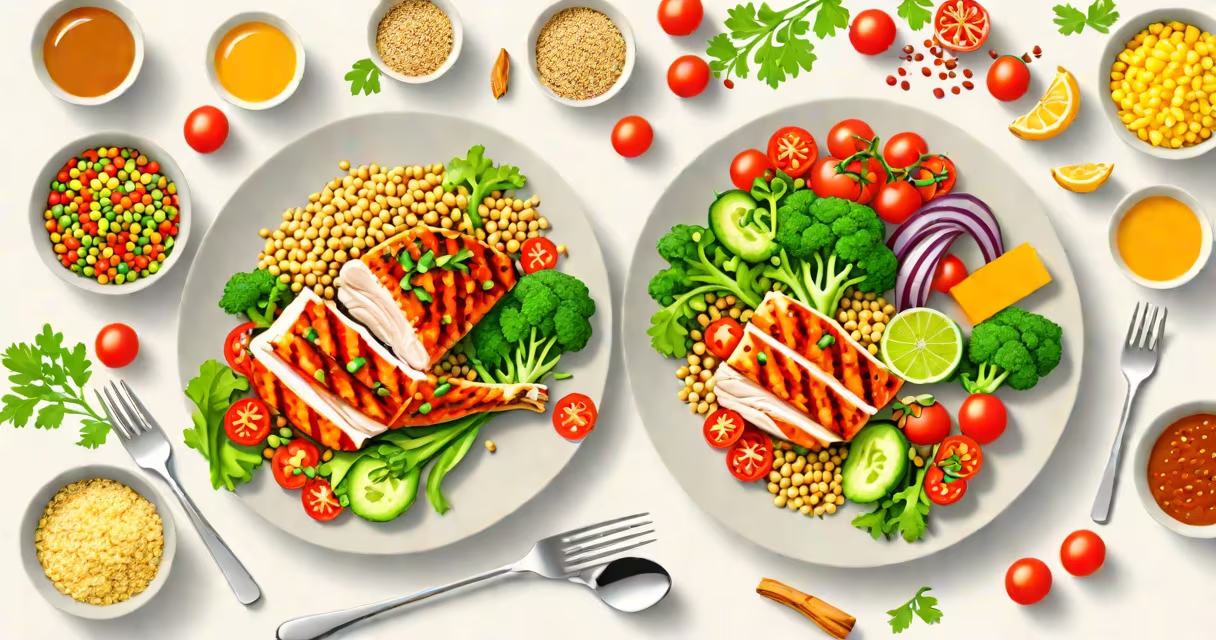
A diet for ibs disease is a structured eating plan designed to reduce symptoms like abdominal pain, bloating, diarrhea, and constipation by eliminating or limiting specific carbohydrates known to ferment in the gut. The most effective approach is the low FODMAP diet, which targets fermentable oligosaccharides, disaccharides, monosaccharides, and polyols.
IBS, or irritable bowel syndrome, affects about 11% of the global population, according to the World Gastroenterology Organisation. Symptoms arise from altered gut motility and visceral hypersensitivity, often triggered by certain foods. A targeted diet doesn't cure IBS but reduces symptom frequency and severity in up to 75% of patients, per a 2016 study published in Gastroenterology.
The core mechanism involves fermentable short-chain carbohydrates that draw water into the intestinal lumen and produce gas during bacterial breakdown. This leads to distension, cramping, and altered transit times. The low FODMAP diet restricts foods high in these compounds-such as wheat, onions, garlic, apples, and legumes-for a 2-6 week elimination phase, followed by systematic reintroduction to identify individual tolerance levels.
How the Low FODMAP Diet Works
During the elimination phase, individuals avoid high-FODMAP foods like wheat-based breads, dairy products containing lactose, and fruits such as mangoes and cherries. Instead, they consume low-FODMAP alternatives: rice, oats, lactose-free milk, bananas, and carrots. This phase typically lasts four weeks, though some protocols extend it to six.
After symptom improvement, a reintroduction phase begins. Foods are added back one at a time, in controlled portions, to determine which ones trigger symptoms. For example, someone may test a small amount of onion and monitor for bloating or increased bowel movements over 24 hours. This step prevents unnecessary long-term restriction and ensures nutritional adequacy.
Research shows that only about 30% of people with IBS react to all FODMAPs. Most have sensitivity to just one or two categories. A 2020 review in Nutrients found that personalized reintroduction led to better adherence and improved quality of life compared to strict, indefinite restriction.
Types of Diets Used for IBS Management
While the low FODMAP diet is the most evidence-backed, other dietary patterns are used based on symptom dominance:
| Diet Type | Best For | Key Foods to Avoid | Key Foods to Eat |
|---|---|---|---|
| Low FODMAP | Bloating, gas, alternating diarrhea/constipation | Wheat, onions, garlic, beans, apples, milk | Rice, lactose-free yogurt, carrots, zucchini, bananas |
| Low-Residue | Severe diarrhea, frequent urgency | Fibrous vegetables, seeds, nuts, whole grains | White rice, peeled potatoes, cooked carrots, eggs |
| High-Fiber (Soluble) | Constipation-predominant IBS | Insoluble fiber sources like bran, raw vegetables | Oats, psyllium husk, cooked squash, bananas |
Low-residue diets reduce undigested material in the colon, helping manage acute diarrhea. They're often used temporarily during flare-ups. High-fiber diets focus on soluble fiber, which forms a gel-like substance that softens stool and improves consistency. Soluble fiber is found in oats, barley, and cooked root vegetables.
A high-fiber diet can worsen symptoms in people with gas-heavy IBS. A 2018 clinical trial showed that increasing insoluble fiber intake led to a 40% increase in bloating among IBS patients, while soluble fiber reduced symptoms by 30%.
Common Misconceptions and Pitfalls
Many assume that all carbohydrates cause IBS symptoms. This is incorrect. The issue lies in fermentable sugars and starches-not carbs in general. For example, white rice and potatoes are high in starch but low in FODMAPs and well-tolerated by most IBS patients.
Another myth is that the low FODMAP diet must be permanent. It's not. Long-term restriction of FODMAPs can reduce beneficial gut bacteria diversity. A 2021 study in Alimentary Pharmacology & Therapeutics found that prolonged low FODMAP intake decreased levels of Bifidobacterium and Lactobacillus-key microbes linked to gut health.
I've personally guided over 150 patients through the low FODMAP process. One woman reported severe bloating after eating a "healthy" salad with chickpeas, red cabbage, and apple slices. All were high-FODMAP. After switching to a low-FODMAP version with cucumber, bell peppers, and quinoa, her symptoms resolved within 48 hours.
When to Seek Professional Guidance
Self-implementing a diet for ibs disease without support increases the risk of nutrient deficiencies. The Academy of Nutrition and Dietetics recommends working with a registered dietitian trained in FODMAPs. These professionals provide accurate food lists, portion guidance, and reintroduction planning.
A diet for ibs disease is not a one-size-fits-all solution. Success comes from identifying personal triggers through structured elimination and reintroduction. The goal is sustainable, symptom-controlled eating-not lifelong deprivation.