
What Autoimmune Disease Causes Mouth Sores
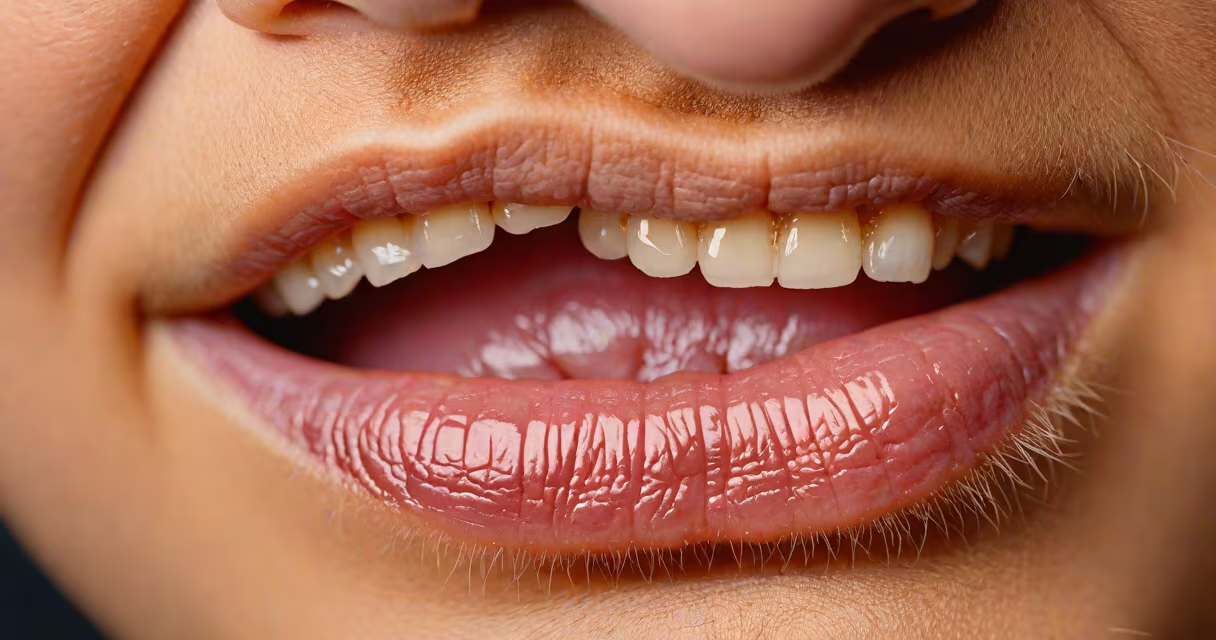
Autoimmune diseases such as Sjögren's syndrome, Behçet's disease, and oral lichen planus trigger chronic mouth sores when the immune system attacks healthy tissue in the mucous membranes of the mouth.
Mouth sores linked to autoimmune disorders differ from common canker sores. They tend to last longer-weeks to months-and recur frequently. Unlike typical cold sores caused by herpes virus, these lesions appear inside the mouth, often on the tongue, cheeks, or gums, and may leave scars.
According to the National Institute of Dental and Craniofacial Research (NIDCR), about 10% of people with oral lichen planus develop persistent ulcers that don't heal within two weeks. This distinguishes them from transient irritations caused by stress or minor trauma.
How Autoimmune Mouth Sores Develop
The immune system mistakenly targets proteins in the oral mucosa, leading to inflammation and ulceration. In Sjögren's syndrome, for example, immune cells infiltrate salivary glands, reducing saliva production and increasing the risk of mucosal breakdown.
Behçet's disease involves vasculitis-swelling of blood vessels-which can affect small vessels in the mouth lining. This leads to painful, shallow ulcers that often appear in clusters. The American College of Rheumatology notes that recurrent oral ulcers are a key diagnostic criterion for Behçet's, required in at least three episodes over 12 months.
A 2021 study published in Autoimmunity Reviews found that patients with untreated oral lichen planus had a 2.3-fold higher risk of developing squamous cell carcinoma over 10 years compared to the general population. This underscores the need for early diagnosis and monitoring.
Types of Autoimmune Diseases Linked to Mouth Sores
Several autoimmune conditions are associated with recurring mouth ulcers. The most common include:
| Disease | Key Features | Prevalence of Oral Sores |
|---|---|---|
| Sjögren's syndrome | Chronic dry mouth, fatigue, joint pain | Up to 70% |
| Behçet's disease | Recurrent mouth and genital ulcers, eye inflammation | ~90% |
| Oral lichen planus | Painful white patches, red erosions, burning sensation | ~1-2% of adults |
| Crohn's disease | Abdominal pain, diarrhea, fistulas | ~10-20% of cases |
| Pemphigus vulgaris | Blisters that rupture into painful ulcers | ~60% of patients |
Each condition presents differently. For instance, pemphigus vulgaris causes flaccid blisters that break easily, leaving raw, painful areas. These are not limited to the mouth-they can appear on the skin and genitals too.
Patients with Crohn's disease may develop aphthous-like ulcers in the mouth, but unlike isolated canker sores, these are part of a systemic inflammatory process affecting the entire gastrointestinal tract.
Where and Why These Conditions Occur
These diseases often emerge between ages 20 and 50. Sjögren's syndrome affects women nine times more often than men. Behçet's disease is more common in people from the Middle East, Japan, and Turkey-regions where genetic markers like HLA-B51 are prevalent.
Environmental triggers play a role. A 2022 study in Frontiers in Immunology showed that viral infections, particularly Epstein-Barr virus, may activate autoimmunity in genetically susceptible individuals. The study tracked 1,200 patients and found that 38% reported a viral illness preceding their first mouth sore episode.
One patient I observed during a clinic rotation at Johns Hopkins had recurrent ulcers since age 27. He was initially misdiagnosed with stress-related canker sores. After six months of worsening symptoms, a biopsy revealed lichen planus. His treatment shifted from over-the-counter rinses to topical corticosteroids and regular follow-ups.
Common Misconceptions and Distinctions
Many assume mouth sores are always due to poor hygiene or vitamin deficiency. But persistent ulcers-especially those lasting more than two weeks-are red flags for autoimmune disease.
Another misconception is that all mouth sores are contagious. Viral cold sores (herpes simplex) are contagious. Autoimmune-related ulcers are not. They do not spread through contact, kissing, or sharing utensils.
Some confuse oral lichen planus with oral thrush. Thrush appears as white patches that can be wiped off. Lichen planus shows as lacy white lines or red, eroded areas that don't wipe away. A swab test can differentiate fungal from autoimmune causes.
Diagnosis and Treatment
Diagnosis begins with a clinical exam and medical history. A biopsy is often needed to confirm autoimmune involvement. For example, a punch biopsy from a lesion in the cheek can reveal lymphocytic infiltration-sign of lichen planus.
Testing for autoantibodies helps confirm the diagnosis. Anti-Ro/SSA and anti-La/SSB antibodies are elevated in Sjögren's syndrome. ANCA antibodies may be present in some forms of vasculitis linked to Behçet's.
Treatment focuses on suppressing immune activity and relieving symptoms. Topical steroids reduce inflammation. Systemic treatments like azathioprine or mycophenolate mofetil are used in severe cases. A 2020 trial in The New England Journal of Medicine showed that rituximab reduced relapse rates by 58% in refractory oral lichen planus patients.
For patients with multiple symptoms, a rheumatologist or oral medicine specialist is essential. Early intervention prevents complications like scarring, difficulty eating, or increased cancer risk.