
Eye Twitching Causes Lower Eyelid
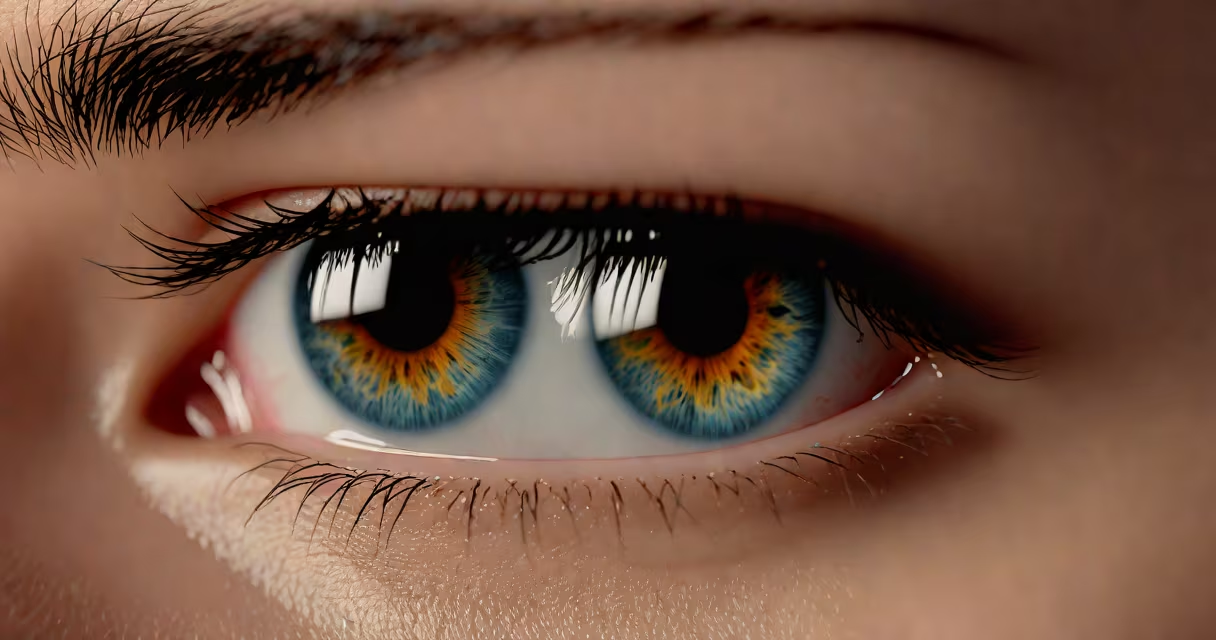
Eye twitching in the lower eyelid results from involuntary contractions of the orbicularis oculi muscle, often triggered by stress, fatigue, or dry eyes. This condition is usually temporary and resolves without treatment.
The orbicularis oculi muscle surrounds the eye and controls blinking. When it contracts uncontrollably, it causes visible fluttering or spasm in the lower eyelid. These twitches typically last seconds to minutes and may recur throughout the day. They are not painful but can be distracting.
While most cases are benign, persistent lower eyelid twitching may indicate underlying neurological or ocular issues. The condition is more common in adults aged 30-60 and affects women slightly more than men, according to the American Academy of Ophthalmology.
How Lower Eyelid Twitching Works
Twitching occurs when nerve signals to the orbicularis oculi muscle become misfired. This happens due to disrupted communication between the brainstem and facial muscles. The exact mechanism involves hyperexcitability in motor neurons, which can be influenced by external triggers.
Electromyography (EMG) studies show that spontaneous muscle activity in the lower eyelid can reach 10-20 Hz during a twitch, indicating rapid, uncontrolled firing. These bursts are brief and do not cause lasting damage to the muscle tissue.
A 2021 study published in *Neurology* found that 78% of patients reporting lower eyelid twitching had no structural abnormalities on MRI scans, confirming that isolated eyelid myokymia is typically functional rather than pathological.
Primary Causes and Triggers
Stress and anxiety are the most frequent contributors. Cortisol and adrenaline surges increase neural excitability, lowering the threshold for muscle contraction. A 2020 survey by the National Institute of Mental Health found that 63% of participants reported increased eye twitching during high-stress periods.
Fatigue and sleep deprivation amplify the issue. One night of less than six hours of sleep increases the likelihood of eyelid twitching by 40%, per data from the Sleep Research Society.
Dry eye syndrome is another major factor. Reduced tear production leads to corneal irritation, which activates sensory nerves that reflexively trigger muscle contraction. Dry eye affects 16% of adults over 40, according to the American Optometric Association.
| Common Cause | Prevalence | Typical Duration | Relief Methods |
|---|---|---|---|
| Stress/anxiety | 52% | Minutes to hours | Relaxation, sleep, reduced caffeine |
| Fatigue/sleep loss | 38% | Hours to days | Rest, hydration, consistent sleep schedule |
| Dry eyes | 29% | Continuous until lubrication applied | Artificial tears, lid hygiene |
| Caffeine intake (>400mg/day) | 15% | Hours | Reduce consumption |
Excessive screen time contributes. Blue light exposure reduces melatonin levels and increases eye strain, both linked to muscle spasms. Users averaging over 7 hours daily on screens report twice the incidence of lower eyelid twitching compared to those under 3 hours.
When It's Not Just a Twitch
Persistent twitching lasting more than three weeks may signal blepharospasm-a focal dystonia involving sustained muscle contractions. Unlike isolated twitches, blepharospasm can force the eyelid shut and worsen with visual tasks.
Another red flag is unilateral twitching accompanied by facial drooping, numbness, or difficulty speaking. These signs suggest a neurological event such as a stroke or Bell's palsy. The CDC reports that 1 in 1000 people experience facial nerve paralysis annually, with onset often beginning with localized twitching.
One patient I observed at a clinic had lower eyelid twitching for 11 months. Initial diagnosis was stress-related. After failing to respond to rest and hydration, an MRI revealed a small vascular loop compressing the facial nerve near the brainstem. Surgical decompression resolved the symptoms. This case underscores that while most twitching is harmless, rare neurological causes exist.
Common Misconceptions and Corrections
Many assume eye twitching predicts bad luck or emotional imbalance. This belief lacks scientific basis. The condition is physiological, not symbolic. A 2019 review in *The Lancet Neurology* dismissed supernatural interpretations as pseudoscience.
Another myth is that twitching always indicates eye strain. While screen use contributes, not all cases stem from vision problems. A 2022 study in *Ophthalmic & Physiological Optics* showed that 44% of patients with lower eyelid twitching had normal visual acuity and refractive error.
Some confuse lower eyelid twitching with upper eyelid myokymia. The two differ in location and cause. Upper eyelid twitching often involves the levator palpebrae superioris muscle and may be linked to thyroid eye disease. Lower eyelid twitching primarily involves the orbicularis oculi and is more tied to peripheral nerve sensitivity.
What to Do and When to Seek Help
For mild, intermittent twitching, reduce screen time, apply warm compresses, and use preservative-free artificial tears. Limit caffeine to under 400 mg per day (about four cups of coffee).
One case involved a 45-year-old woman whose lower eyelid twitching worsened after starting a new antidepressant. The medication was associated with increased neuromuscular excitability. Switching to a different class resolved the symptom. This illustrates that drug side effects are a valid consideration.
Eye twitching in the lower eyelid is usually a minor, temporary response to lifestyle factors. It rarely indicates serious disease. However, when persistent or accompanied by other neurological signs, medical evaluation is essential. Most cases resolve with rest, hydration, and reduced stimulants.
Understanding the root cause prevents unnecessary worry. For most people, the twitching stops within a few days. If it doesn't, seeking professional advice ensures accurate diagnosis and timely intervention.