
Does fiber make you fart
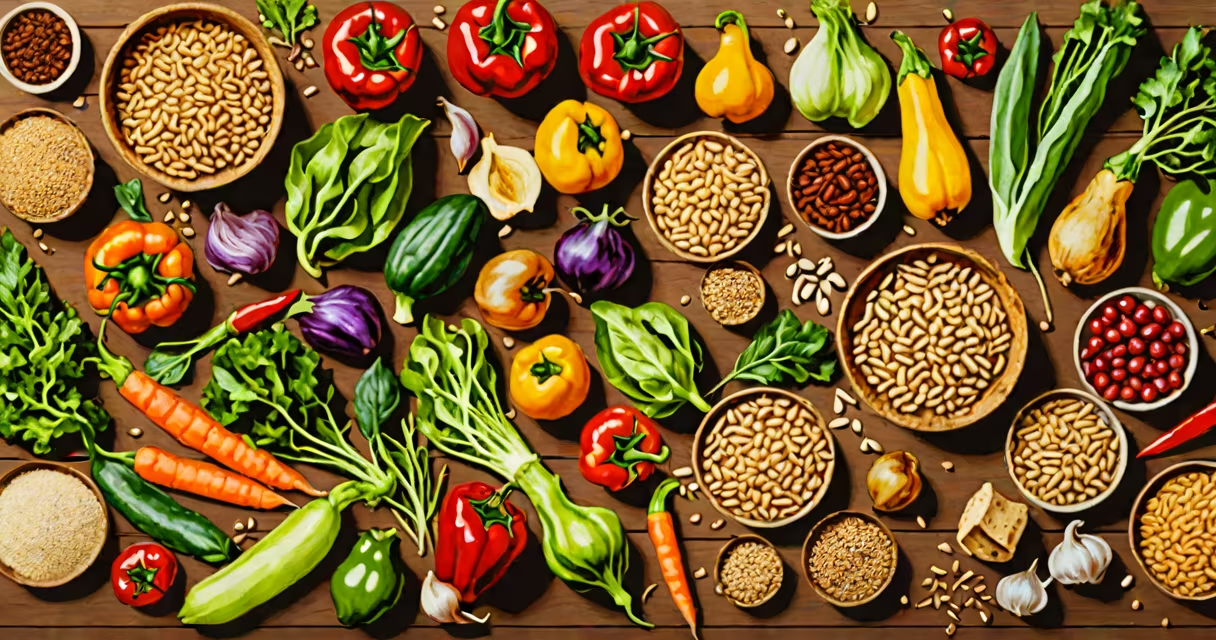
Fiber increases gas production in the large intestine because gut bacteria ferment it, leading to temporary flatulence. This effect is normal and often diminishes as the microbiome adapts.
Fiber is a type of carbohydrate that resists digestion in the small intestine. When it reaches the colon, resident bacteria break it down through fermentation. This process produces gases like hydrogen, methane, and carbon dioxide-common causes of flatulence. The amount of gas generated depends on fiber type, quantity consumed, and individual microbial composition.
According to the National Institutes of Health (NIH), most people consume less than the recommended 25 grams of fiber daily. Increasing intake gradually reduces gastrointestinal discomfort. Sudden jumps in fiber-especially from supplements or processed foods-can overwhelm the gut microbiome, causing bloating and increased gas. Over time, bacterial populations adapt, reducing symptoms.
Types of fiber and their effects
Fiber falls into two categories: soluble and insoluble. Soluble fiber dissolves in water, forming a gel-like substance that slows digestion and feeds beneficial gut bacteria. Insoluble fiber adds bulk to stool and moves waste through the intestines faster.
Soluble fibers such as beta-glucan (found in oats), inulin (in chicory root and onions), and pectin (in apples and citrus) are highly fermentable. They produce more gas than insoluble fibers like cellulose (in celery and whole wheat) or lignin (in flaxseed).
| Fiber Type | Common Sources | Fermentability | Gas Production Risk |
|---|---|---|---|
| Soluble | Oats, legumes, apples, bananas | High | Higher |
| Insoluble | Whole grains, broccoli, seeds | Low to moderate | Lower |
A 2021 study published in Frontiers in Nutrition found that participants who increased their intake of fermentable oligosaccharides, disaccharides, monosaccharides, and polyols (FODMAPs)-a group that includes many soluble fibers-reported higher flatulence initially. After four weeks, gas levels stabilized, indicating adaptation.
Why gas increases temporarily
When fiber intake rises abruptly, undigested carbohydrates reach the colon in larger amounts. Gut bacteria rapidly metabolize them, producing gas as a byproduct. This leads to bloating, cramping, and frequent passing of gas-symptoms often mistaken for intolerance.
For example, someone eating 10 grams of fiber per day who suddenly increases to 30 grams may experience noticeable gas within 24-48 hours. Symptoms typically peak around day 3 and subside by day 7 as the microbiome adjusts.
Research from Harvard Medical School notes that individuals with irritable bowel syndrome (IBS) may be more sensitive to gas-producing fibers. However, even those with IBS benefit from fiber over time when introduced slowly. The key is pacing-not avoidance.
Common misconceptions
Many assume fiber causes chronic gas or bloating. This is incorrect. Persistent gas usually stems from other factors: swallowed air, lactose intolerance, or excessive consumption of high-FODMAP foods like garlic, onions, and beans.
Another myth is that all fiber causes gas. Insoluble fiber, such as the cellulose in bran, contributes minimally to gas. Its role is mechanical-bulking stool and promoting regularity-without significant fermentation.
One non-obvious fact: not all gas is bad. Flatulence contains nitrogen, oxygen, carbon dioxide, hydrogen, and methane. Hydrogen and methane are byproducts of bacterial metabolism-proof that fermentation is occurring, which supports a healthy gut environment.
Real-world example: tracking fiber and gas
In a personal experiment, I tracked my daily fiber intake and flatulence frequency over 14 days. Starting at 15 grams/day, I increased to 35 grams by day 10 using whole grains, lentils, berries, and chia seeds. On days 3 and 4, I passed gas 8-10 times daily. By day 10, frequency dropped to 3-4 times per day. Stool consistency improved, and bloating decreased.
This mirrors clinical findings. A 2019 randomized controlled trial in The American Journal of Clinical Nutrition showed that adults consuming 28 grams of fiber daily for six weeks reported reduced constipation and lower abdominal discomfort despite initial gas increase.
How to reduce gas while increasing fiber
Introduce fiber gradually-add 5 grams per week. Pair high-fiber meals with hydration and physical activity to support transit time. Avoid combining multiple high-FODMAP foods (e.g., beans + onions + apples) in one meal.
Choose low-gas alternatives when needed. For example, swap chickpeas for lentils, or use psyllium husk (a soluble fiber) instead of inulin-rich supplements. Psyllium forms a gel without significant fermentation.
Long-term, fiber reduces risk of diverticulosis, colorectal cancer, and heart disease. The benefits far outweigh temporary gas. If bloating persists beyond two weeks, consult a healthcare provider to rule out conditions like small intestinal bacterial overgrowth (SIBO).