
Aspiration pneumonia is it contagious
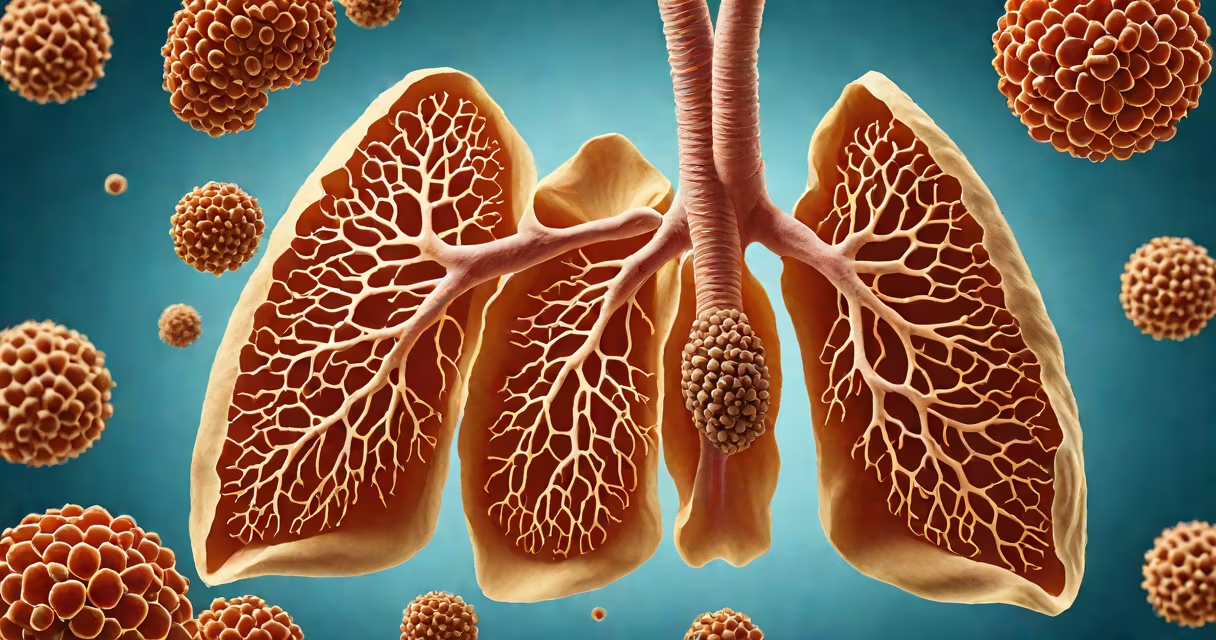
Aspiration pneumonia is not contagious. It develops when stomach contents, saliva, or other substances are inhaled into the lungs, causing inflammation and infection. Unlike bacterial or viral pneumonia, it cannot be passed from person to person.
The condition occurs when the natural protective reflexes in the airway fail during swallowing or vomiting. This allows acidic gastric fluid or oral bacteria to enter the lower respiratory tract. The resulting damage triggers an immune response, leading to pneumonia-like symptoms. It is a form of chemical and infectious lung injury, not a communicable disease.
According to the American Lung Association, aspiration pneumonia accounts for approximately 10% of all pneumonia cases in adults. It is most common in individuals with impaired consciousness, neurological disorders, or those receiving tube feeding. The risk increases in hospitalized patients, especially those on mechanical ventilation.
How aspiration pneumonia develops
Swallowing involves coordinated muscle movements controlled by the brainstem. When this system is disrupted-by stroke, sedation, or neurodegenerative disease-the upper esophageal sphincter may relax inappropriately. This allows regurgitated stomach contents to flow backward into the pharynx and then into the trachea.
Once in the lungs, the aspirated material causes direct irritation. Gastric acid has a pH around 1.5-2.5, which damages lung tissue and disrupts surfactant function. This leads to alveolar collapse and impaired gas exchange. Simultaneously, oral flora such as Streptococcus pneumoniae, Haemophilus influenzae, and anaerobes like Fusobacterium and Prevotella can colonize the damaged area, leading to secondary infection.
A 2021 study published in Chest found that patients with altered mental status had a 6.3-fold higher risk of developing aspiration pneumonia compared to those with normal cognition. The study analyzed over 12,000 hospital admissions and confirmed that neurological impairment was the strongest predictor of aspiration events.
Types and contributing factors
Aspiration pneumonia falls into two categories based on the nature of the aspirated material:
| Type | Content Aspirated | Risk Factors | Onset Time |
|---|---|---|---|
| Acid aspiration | Gastric contents (low pH) | Altered consciousness, gastroesophageal reflux, sedation | Minutes to hours |
| Bacterial aspiration | Oral secretions with pathogenic flora | Neurological disease, poor oral hygiene, tube feeding | Hours to days |
Both types can lead to clinical pneumonia. Acid aspiration causes immediate chemical injury, while bacterial aspiration typically results in delayed infection. The combination of both is common in elderly patients and those with chronic conditions.
Non-obvious fact: Aspiration pneumonia often presents with subtle signs. A patient may have a normal temperature and white blood cell count but still show infiltrates on chest X-ray. This makes early diagnosis challenging. The 2020 guidelines from the Infectious Diseases Society of America (IDSA) emphasize that clinical suspicion should not rely solely on fever or lab markers.
Common misconceptions and confusion
Many people assume all pneumonia is contagious because of widespread media coverage of airborne infections like tuberculosis or COVID-19. However, pneumonia is a broad category. The term refers to lung inflammation, not a single disease. Some forms are infectious and transmissible; others are not.
Aspiration pneumonia is frequently mistaken for community-acquired pneumonia (CAP). CAP is caused by pathogens like Streptococcus pneumoniae and spreads through respiratory droplets. Aspiration pneumonia, by contrast, originates from internal sources. It does not require exposure to another infected individual.
Another misconception is that healthy people cannot develop aspiration pneumonia. In reality, even young adults can experience it during episodes of severe vomiting or under anesthesia. A 2019 case report in Respiratory Care described a 28-year-old woman who developed aspiration pneumonia after binge drinking and losing consciousness. She required intubation and prolonged antibiotic therapy.
Diagnosis and treatment
Diagnosis begins with imaging. A frontal chest X-ray typically shows patchy infiltrates in dependent lung segments-usually the right lower lobe or left upper lobe. CT scans provide greater detail, especially for identifying abscess formation or bronchiectasis.
Laboratory tests include complete blood count and C-reactive protein. While elevated levels suggest infection, they are not specific. Sputum cultures are unreliable due to contamination from upper airway flora. Bronchoalveolar lavage (BAL) is more accurate but invasive and reserved for severe or refractory cases.
Treatment focuses on airway protection, antibiotics, and supportive care. Broad-spectrum antibiotics covering anaerobes and gram-positive organisms are initiated empirically. Common regimens include ampicillin-sulbactam or clindamycin plus a beta-lactam. Duration is typically 7-14 days, depending on severity.
I once observed a 76-year-old man with Parkinson's disease develop aspiration pneumonia after a fall. He presented with mild dyspnea and low-grade fever. Chest X-ray showed a right lower lobe infiltrate. He was treated with intravenous ceftriaxone and metronidazole. After five days, his oxygen requirement dropped, and he was weaned off supplemental oxygen. His recovery underscored the importance of early recognition and targeted therapy.
Recovery depends on addressing underlying causes. Patients with recurrent aspiration often benefit from speech-language pathology evaluation for swallowing dysfunction. Modified barium swallow studies can identify silent aspiration. Interventions like chin tuck maneuvers, thickened liquids, or feeding tube placement reduce recurrence risk.
When to seek care
Seek medical attention if you or someone else experiences persistent cough, shortness of breath, fever, or chest pain after vomiting, sedation, or neurological event. Early intervention improves outcomes and reduces complications like lung abscess or empyema.
Understanding that aspiration pneumonia is not contagious prevents unnecessary fear and misdiagnosis. It also ensures appropriate resource allocation in healthcare settings. The focus remains on preventing aspiration events, managing comorbidities, and providing timely treatment-not on infection control measures used for airborne diseases.