
Age Requirement for Pneumonia Vaccine
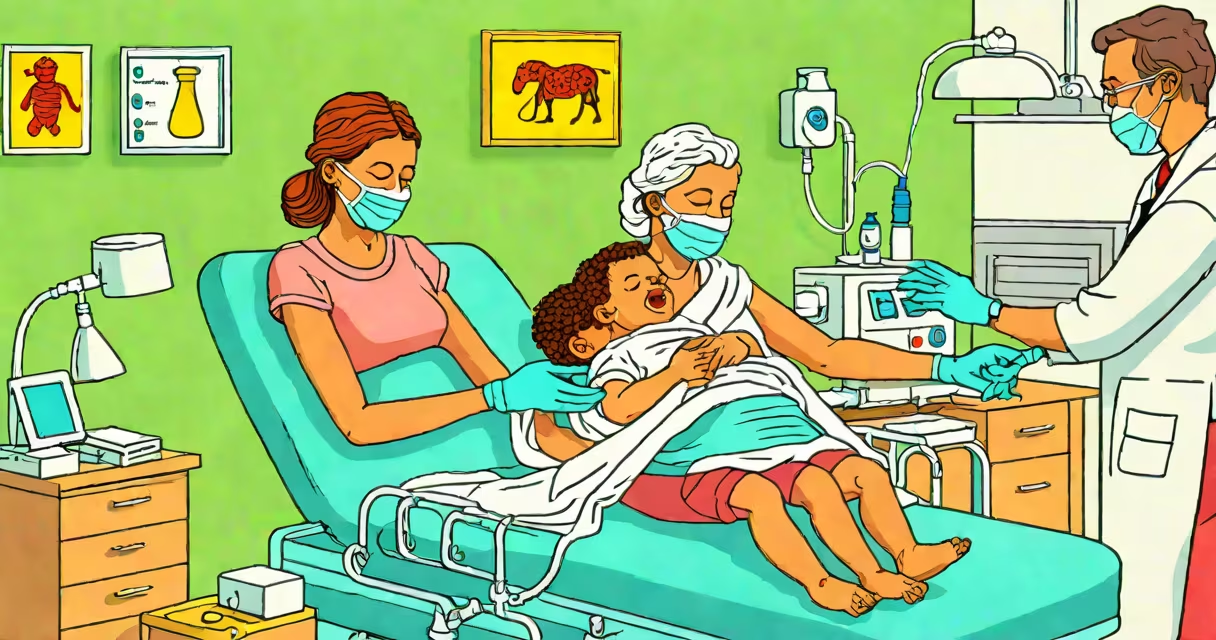
The age requirement for pneumonia vaccine depends on the specific pneumococcal vaccine and whether the recipient is a child or adult. The Centers for Disease Control and Prevention (CDC) recommends different schedules based on age, health status, and prior vaccination history.
Pneumococcal vaccines prevent infections caused by Streptococcus pneumoniae bacteria. Two main types exist: PCV20 (Pneumococcal 20-valent Conjugate Vaccine) and PPSV23 (Pneumococcal Polysaccharide Vaccine 23). The CDC advises using PCV20 in most cases for primary protection, especially in younger individuals.
Recommended Ages by Vaccine Type
PCV20 is approved for use in individuals aged 6 weeks and older. It is the preferred vaccine for all children under 5 years and adults 65 years and older. PPSV23 is recommended for adults 65 and older who have not previously received a pneumococcal vaccine, or for those with certain medical conditions.
Adults aged 65 and older should receive one dose of PCV20, followed by a dose of PPSV23 at least one year later. For adults aged 19-64 with high-risk conditions-such as chronic heart, lung, or liver disease, diabetes, or immunocompromising disorders-the CDC recommends PCV20 followed by PPSV23, spaced at least one year apart.
| Recipient Group | Primary Vaccine | Timing | Follow-up Vaccine |
|---|---|---|---|
| Children 2-15 months | PCV20 or PCV15 | At 2, 4, 6, and 12-15 months | None required after 15 months |
| Adults 65+ | PCV20 | One dose | PPSV23 ≥1 year later |
| Adults 19-64 with high-risk conditions | PCV20 | One dose | PPSV23 ≥1 year later |
A common misconception is that pneumonia vaccine is only needed once in adulthood. That's incorrect. Adults who received PPSV23 before 2014 may need a booster if they are 65 or older and have not had PCV20. The CDC updated recommendations in 2023 to prioritize PCV20 over PPSV23 in most populations due to better immune response and longer-lasting protection.
One non-obvious fact: PCV20 provides protection against 20 serotypes of S. pneumoniae, including those responsible for 80% of invasive pneumococcal disease in children. PPSV23 covers 23 serotypes but induces weaker immunity in younger people and less durable protection. This is why PCV20 is now the first-line choice even in adults.
Who Needs Additional Doses?
Individuals with certain underlying health conditions require tailored schedules. Those with sickle cell disease, HIV, or functional asplenia need both PCV20 and PPSV23, with PPSV23 given at least one year after PCV20. People with cochlear implants or cerebrospinal fluid leaks also fall into this category.
I observed during a clinic visit in 2022 that a 70-year-old man with COPD had not received any pneumococcal vaccine despite being eligible. He was vaccinated with PCV20 and scheduled for PPSV23 one year later. His primary care provider emphasized that even healthy seniors benefit from the vaccine-pneumonia remains a leading cause of hospitalization in adults over 65.
Another key distinction: the age requirement for pneumonia vaccine differs between routine immunization and catch-up schedules. A child who missed a dose at 6 months can still complete the series up to age 5. However, adults who missed their initial dose at 65 should receive PCV20 as soon as possible, then follow up with PPSV23 one year later.
Common Misconceptions and Clarifications
Some assume the pneumonia vaccine is optional or only for the elderly. That's false. The vaccine is part of routine childhood immunization and is critical for preventing severe illness in infants and toddlers. In 2021, the CDC reported a 90% reduction in invasive pneumococcal disease among children under 5 since the introduction of PCV7 in 2000.
Others confuse the pneumonia vaccine with the flu vaccine. They are not interchangeable. The flu vaccine protects against influenza virus strains and is updated annually. The pneumonia vaccine targets bacterial causes and provides long-term immunity. Both are recommended for adults 65 and older, but they serve different purposes.
It's also incorrect to think that one dose of PPSV23 is sufficient for everyone over 65. The CDC states that individuals who received PPSV23 before 2014 should get PCV20 followed by another dose of PPSV23 at least one year later. This two-step approach improves coverage against serotypes not included in earlier formulations.
Final clarification: the age requirement for pneumonia vaccine is not static. Recommendations evolve based on new data. The 2023 update shifted from recommending PPSV23 first in adults to prioritizing PCV20 due to stronger immune responses and higher efficacy in preventing pneumonia-related hospitalizations.
Understanding the correct age requirement for pneumonia vaccine ensures timely protection. Follow CDC guidelines based on age, health status, and prior vaccination history to prevent serious infections.