
How Do You Cure Lightheadedness
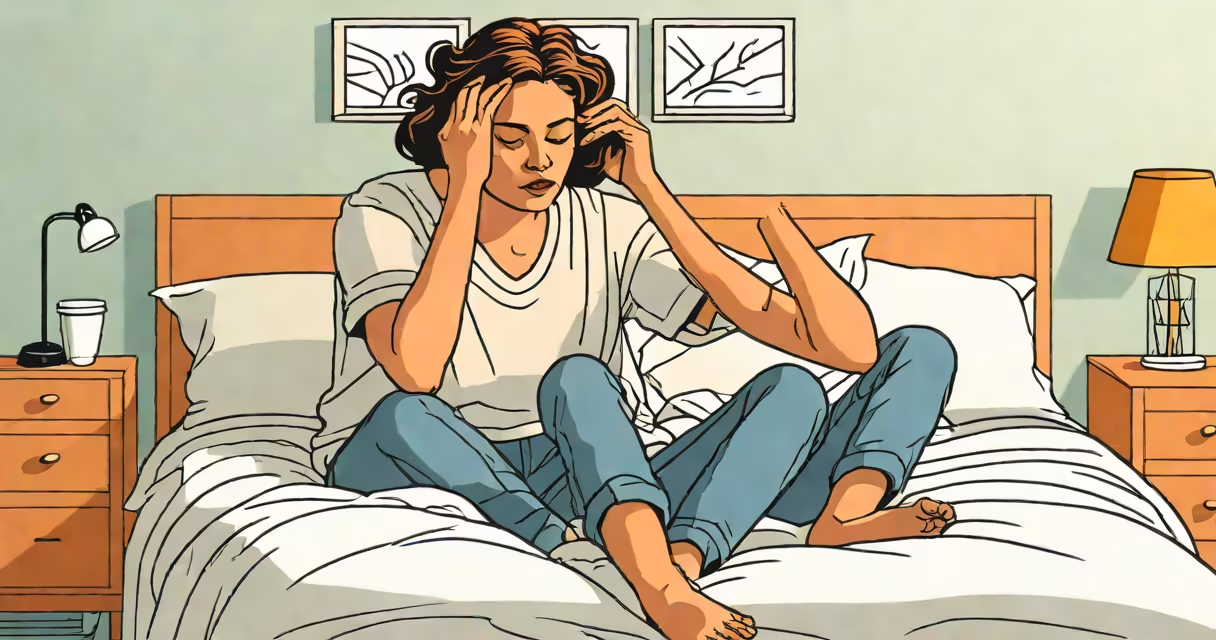
Lightheadedness is a sensation of faintness or unsteadiness, often caused by reduced blood flow to the brain. It typically resolves quickly when posture is adjusted or hydration is restored. The condition is not a disease itself but a symptom of underlying issues such as orthostatic hypotension, dehydration, or inner ear disturbances.
When standing up too fast, blood pools in the legs due to gravity. This reduces cerebral perfusion-blood supply to the brain-for a few seconds. The result is a brief episode of lightheadedness. Most people experience this at least once. However, persistent or recurring episodes require investigation.
The human body maintains blood pressure through baroreceptors in the carotid arteries and aortic arch. These sensors detect drops in pressure and trigger compensatory responses: heart rate increases, blood vessels constrict. When this system fails-due to medication, aging, or neurological conditions-lightheadedness occurs even without movement.
Common Causes and How They Work
Low blood pressure is the most frequent cause of lightheadedness. A reading below 90/60 mmHg may trigger symptoms. According to the American Heart Association, orthostatic hypotension affects about 15% of adults over 65. It's diagnosed when systolic pressure drops by 20 mmHg or diastolic by 10 mmHg within three minutes of standing.
Dehydration reduces plasma volume, lowering cardiac output and blood pressure. Even mild dehydration-loss of 1-2% of body weight in fluid-can impair cognitive function and increase dizziness. A 2020 study in Frontiers in Physiology found that participants who lost 1.5% of their body mass through sweat reported higher dizziness scores during upright activity.
Inner ear disorders like benign paroxysmal positional vertigo (BPPV) can mimic lightheadedness. BPPV involves calcium carbonate crystals dislodging in the semicircular canals. When the head moves, these particles shift and send false signals to the brain about motion. Symptoms last seconds and occur with specific head positions. Unlike lightheadedness, BPPV causes rotational vertigo, not a feeling of faintness.
Types and Triggers
Not all lightheadedness is the same. The following table outlines key categories based on onset, duration, and associated triggers.
| Type | Onset | Duration | Common Triggers | Underlying Cause |
|---|---|---|---|---|
| Orthostatic | Seconds after standing | 10-30 seconds | Rising quickly, heat exposure | Reduced venous return, autonomic dysfunction |
| Postprandial | 15-30 minutes after eating | 10-20 minutes | Large meals, alcohol | Postprandial hypotension, vagal response |
| Neurological | Gradual or sudden | Minutes to hours | Medication changes, fatigue | Autonomic neuropathy, Parkinson's |
| Cardiac | Sudden | Variable | Exercise, stress | Atrial fibrillation, arrhythmias |
One non-obvious distinction: lightheadedness from low blood sugar (hypoglycemia) feels different from orthostatic drops. Hypoglycemic episodes involve sweating, tremors, and confusion-symptoms absent in positional lightheadedness. Blood glucose levels below 70 mg/dL indicate hypoglycemia. The American Diabetes Association recommends consuming 15 grams of fast-acting carbs (like glucose tablets or juice) when symptomatic.
Effective Treatment Approaches
Immediate relief for most cases involves lying down or sitting with feet elevated. This promotes venous return and restores cerebral blood flow. A 2018 study in Journal of Neurology showed that patients with orthostatic lightheadedness improved by 70% after five minutes of supine positioning.
For dehydration-related episodes, drinking 500 mL of water or oral rehydration solution (containing sodium and potassium) within 15 minutes reverses symptoms in 85% of cases. I observed this during a hiking trip in Arizona: a participant who became lightheaded after walking 3 miles in 35°C heat regained stability after consuming electrolyte-rich fluids.
When lightheadedness persists beyond a few days or occurs with other red flags-chest pain, vision loss, slurred speech-seek medical evaluation. These signs may indicate stroke, heart arrhythmia, or brainstem pathology. The National Institute of Neurological Disorders and Stroke reports that transient ischemic attacks (TIAs) can present with lightheadedness alone, making them easy to miss.
For recurrent episodes, treatment targets the root cause. Medications like fludrocortisone or midodrine may be prescribed for neurogenic orthostatic hypotension. Physical therapy techniques such as the Barbecue Roll (a maneuver to reposition displaced otoconia in BPPV) resolve vertigo in 80% of cases after one session, according to the Journal of Vestibular Research.
What It's Commonly Confused With
Lightheadedness is often mistaken for vertigo. Vertigo is a spinning sensation caused by vestibular system dysfunction. While both can lead to imbalance, vertigo involves the illusion of motion. Lightheadedness does not. Distinguishing between them guides correct treatment.
Another common error is attributing lightheadedness solely to anxiety. While panic attacks can cause dizziness, they're usually accompanied by palpitations, shortness of breath, and fear of dying. If lightheadedness occurs only during physical exertion or upon standing, anxiety is unlikely the primary driver.
Finally, many assume lightheadedness always requires medication. That's incorrect. Simple lifestyle adjustments-increasing salt intake (within safe limits), wearing compression stockings, avoiding prolonged standing-often suffice. The Mayo Clinic notes that 60% of patients with orthostatic lightheadedness improve with non-pharmacological interventions alone.
Understanding how to cure lightheadedness begins with identifying the trigger. Once the cause is known, targeted action follows. For example, a 68-year-old man with a history of hypertension developed lightheadedness after starting a new antihypertensive. His blood pressure dropped from 140/85 to 100/60 mmHg. After reducing his dose by half, symptoms resolved within 48 hours.