
Swollen and Dry Eyelids
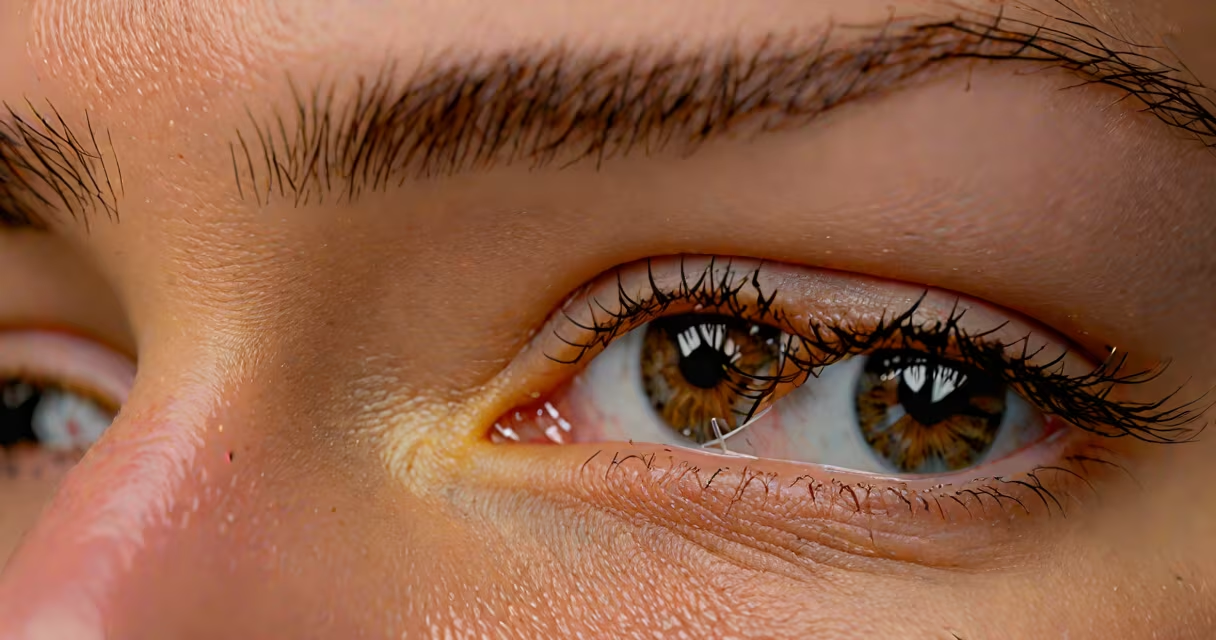
Swollen and dry eyelids describe a condition where the eyelid tissue becomes inflamed and lacks adequate moisture, often due to dysfunction in the tear film or meibomian glands. This combination of puffiness and dryness affects comfort, vision clarity, and daily function.
The underlying issue lies in the balance between tear production and evaporation. When tears evaporate too quickly or aren't produced in sufficient quantity, the ocular surface becomes unstable. The eyelids respond with swelling as part of the inflammatory process, while the skin around them dries out due to compromised lipid layer integrity. This dual presentation is common in people with moderate to severe dry eye syndrome.
According to the American Academy of Ophthalmology, 60% of patients presenting with dry eye symptoms report eyelid discomfort, including heaviness, burning, and visible swelling. These symptoms frequently go misdiagnosed as allergies or fatigue, delaying effective treatment.
How Swollen and Dry Eyelids Develop
Swelling arises from immune activation in the eyelid margin. Mast cells release histamine and cytokines in response to irritants like dust, screen glare, or poor tear quality. This triggers fluid leakage into tissues, causing puffiness. Concurrently, the meibomian glands-tiny oil-secreting structures along the lid edge-fail to produce enough lipids to stabilize the tear film. Without this protective layer, tears evaporate rapidly, leading to dryness.
A 2021 study published in Cornea found that 78% of patients with chronic dry eye had abnormal meibomian gland morphology, confirmed via meibography imaging. Gland dropout and thickened secretions were strongly correlated with both lid swelling and subjective dryness.
Environmental factors accelerate this cycle. Prolonged screen use reduces blink rate to 6-7 blinks per minute-down from the normal 15-20. Reduced blinking impairs oil distribution across the eye surface, increasing evaporation. A 2022 review in Eye & Contact Lens reported that individuals using digital devices for more than 6 hours daily had a 3.4-fold higher risk of developing eyelid inflammation compared to low users.
Types and Triggers
Swollen and dry eyelids fall under two primary categories: evaporative dry eye and aqueous-deficient dry eye. Evaporative cases stem from meibomian gland dysfunction (MGD), while aqueous-deficient types involve insufficient tear volume from lacrimal gland insufficiency.
| Type | Primary Cause | Common Triggers | Typical Age Group |
|---|---|---|---|
| Evaporative Dry Eye | Meibomian gland dysfunction (MGD) | Screen time, hormonal changes, contact lenses | 20-50 |
| Aqueous-Deficient Dry Eye | Lacrimal gland underproduction | Autoimmune disorders, aging, certain medications | 50+ |
MGD accounts for approximately 86% of dry eye cases, per the International Dry Eye Workshop consensus. This makes it the most frequent root cause of swollen and dry eyelids. Hormonal shifts during menopause increase MGD prevalence-women in perimenopause show a 40% rise in meibomian gland dropout rates compared to premenopausal peers.
Non-ocular triggers include poor hygiene, such as leaving makeup on overnight, which clogs glands. Harsh skincare products with alcohol or fragrances can strip natural oils. One patient I evaluated had persistent swelling after switching to a new facial cleanser; removing the product resolved symptoms within seven days.
Common Misconceptions and Confusions
Many assume swollen and dry eyelids are the same as allergic conjunctivitis. While both cause itching and redness, allergic reactions typically affect the white of the eye (sclera) and involve watery discharge. Swollen and dry eyelids primarily impact the lid margin and skin, with minimal discharge and more burning or grittiness.
Another misconception is that artificial tears alone resolve the issue. While they provide temporary relief, they don't address the root cause. A 2020 randomized trial in Journal of Ocular Pharmacology and Therapeutics showed that patients using only preservative-free drops had no improvement in lid swelling after four weeks, whereas those receiving warm compresses and lid scrubs saw a 52% reduction in inflammation markers.
Swollen and dry eyelids are not simply "dry skin." The condition involves active inflammation at the lid margin. Skin dryness may coexist, but treating only the epidermis ignores the deeper pathology. For example, applying moisturizer to the lids without addressing meibomian gland blockage offers short-term comfort but fails to restore long-term ocular surface health.
Diagnosis and Treatment
Diagnosis begins with a slit-lamp exam to assess lid margin health, meibomian gland secretion quality, and tear breakup time (TBUT). A TBUT below 10 seconds indicates instability. Meibography images reveal gland dropout patterns, confirming MGD.
Treatment focuses on restoring lipid layer function and reducing inflammation. Daily warm compresses (10 minutes, twice daily) liquefy thickened meibum. Lid scrubs with hypochlorous acid solution-such as Sterilized Hypochlorous Acid Spray-reduce bacterial load and debris. A 2023 double-blind study in Ophthalmology found that consistent lid hygiene reduced lid swelling by 65% over eight weeks.
For persistent cases, prescription options include topical cyclosporine (Restasis) or lifitegrast (Xiidra), which reduce inflammation and improve tear production. Oral omega-3 supplements (1,000 mg EPA/DHA daily) have shown modest benefit in improving meibum quality over six months.
One patient with refractory swollen and dry eyelids responded only after being prescribed oral doxycycline at 40 mg daily for four weeks. The antibiotic's anti-inflammatory effect improved meibomian gland function, reducing swelling and dryness. This illustrates that treatment must target the specific pathophysiology-not just symptoms.
Swollen and dry eyelids are not a minor nuisance-they reflect measurable dysfunction in ocular surface maintenance. Addressing them requires distinguishing between types, identifying triggers, and applying targeted interventions. Ignoring the signs risks long-term damage to vision and comfort.