
What Are Symptoms of TMJ Disorder
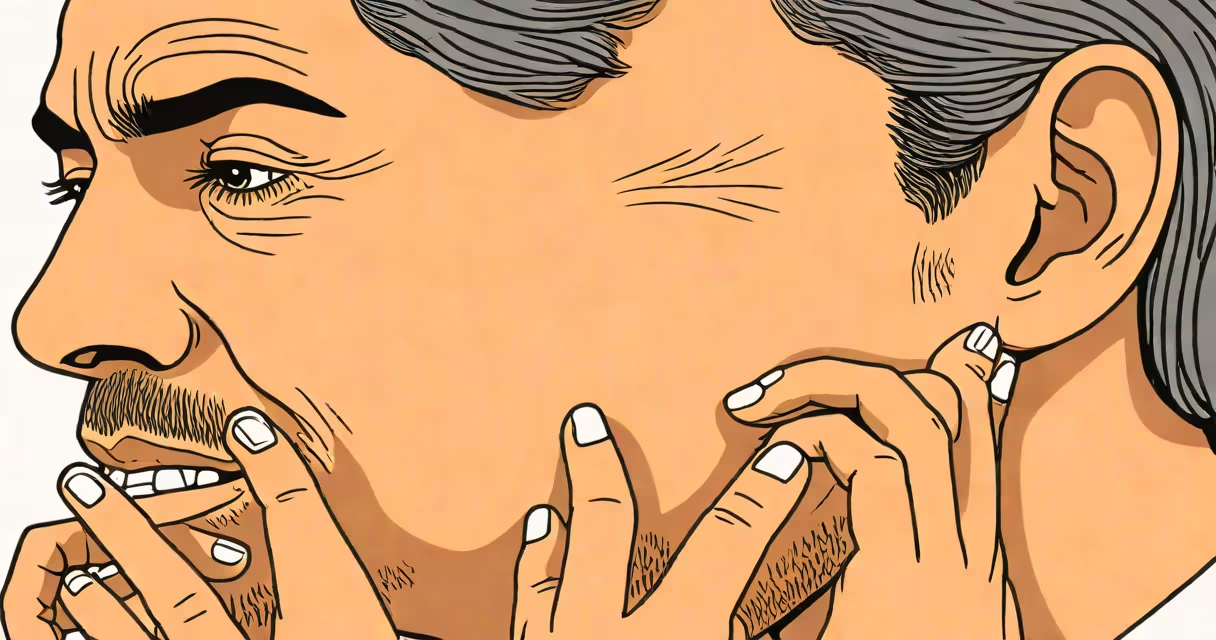
Temporomandibular joint disorder (TMJ disorder) involves pain and dysfunction in the jaw joint and surrounding muscles, often causing persistent jaw pain, clicking or popping sounds, difficulty opening the mouth fully, and frequent headaches. These symptoms arise from issues in the joint that connects the jawbone to the skull.
The temporomandibular joint (TMJ) is a complex hinge that allows the jaw to move during speaking, chewing, and yawning. When this joint becomes inflamed or misaligned, it disrupts normal function. Common triggers include teeth grinding (bruxism), arthritis, jaw injury, or stress-related muscle tension. The condition affects about 12% of adults in the United States, according to the National Institute of Dental and Craniofacial Research (NIDCR).
Not all jaw pain stems from TMJ disorder. Conditions like sinus infections, tooth decay, or earaches can mimic TMJ symptoms. However, true TMJ disorder typically presents with a combination of localized jaw pain, audible joint noises, and restricted jaw motion. Identifying the correct cause requires clinical evaluation.
How TMJ Disorder Symptoms Develop
Symptoms emerge when the TMJ's components-cartilage, ligaments, and muscles-experience strain or damage. The joint relies on precise alignment and coordinated muscle activity. When this balance is disrupted, inflammation and pain follow. For example, habitual clenching or grinding of teeth during sleep increases pressure on the joint, leading to wear and tear over time.
Pain often radiates from the jaw to the temples, ears, or neck. This referred pain confuses patients, who may seek treatment from dentists, neurologists, or ENT specialists before identifying the root issue. A 2021 study published in *The Journal of Oral Rehabilitation* found that 68% of TMJ patients reported headaches as a primary symptom, with many describing them as tension-type or migraine-like.
Some individuals develop locking of the jaw-where the mouth cannot open or close fully-due to displacement of the articular disc within the joint. This occurs when the disc shifts out of position, blocking movement. While rare, it can lead to significant functional impairment and requires medical intervention.
Common Types and Their Symptom Profiles
TMJ disorder is categorized into three main types based on underlying causes. Each has distinct symptom patterns that help guide diagnosis.
| Type | Primary Cause | Key Symptoms |
|---|---|---|
| Myogenous | Disorders of the jaw muscles | Jaw pain during chewing, muscle tenderness, fatigue in jaw muscles |
| Arthrogenous | Joint structural problems (e.g., degenerative arthritis) | Clicking or grating sounds, joint stiffness, reduced range of motion |
| Disc Displacement | Displacement of the joint's cartilage disc | Locking sensation, painful jaw opening, audible popping |
Myogenous TMJ disorder is the most common form, affecting nearly 50% of diagnosed cases. It often results from stress-induced bruxism. Patients report soreness in the jaw area after eating hard foods or talking for long periods. The pain usually improves with rest and gentle jaw stretching.
Arthrogenous cases involve degeneration of the joint's cartilage. This type is more prevalent in people over 50 and those with a history of joint trauma. Symptoms progress slowly and may worsen with weather changes, a phenomenon noted in a 2019 NIDCR survey.
Disc displacement is frequently associated with sudden onset of symptoms after a jaw injury or prolonged jaw opening (such as during dental procedures). The disc may temporarily slip out of place, causing a "click" when the mouth opens or closes. In severe cases, the jaw locks in an open or closed position.
What TMJ Symptoms Are Often Mistaken For
Many patients initially mistake TMJ symptoms for dental problems. Toothaches, especially in molars, can feel similar to TMJ pain. However, TMJ-related pain is typically felt in front of the ear, not behind the teeth. A 2020 study in *The Journal of Prosthetic Dentistry* showed that 37% of patients with TMJ disorder were incorrectly treated for cavities before receiving a proper diagnosis.
Headaches are another frequent misdiagnosis. TMJ-related headaches often occur on one side and worsen with jaw movement. They resemble migraines but lack visual disturbances or nausea. Distinguishing between the two is critical because treatments differ. Migraine medications do not address joint dysfunction.
A lesser-known but important distinction: TMJ disorder rarely causes numbness or tingling. If a patient experiences facial numbness, especially on one side, it may indicate a neurological condition such as trigeminal neuralgia or even a stroke. The American Academy of Orofacial Pain advises against self-diagnosing based on isolated sensory symptoms.
Real-World Example: A Case Study
In 2022, a 34-year-old woman visited a dental clinic complaining of persistent left-sided jaw pain and a clicking sound when chewing. She had tried over-the-counter painkillers and warm compresses without relief. Her dentist noticed uneven tooth wear and recommended a referral to a maxillofacial specialist.
An MRI confirmed disc displacement in her left TMJ. She reported waking up with jaw soreness and clenching her teeth during sleep. After wearing a custom-fitted night guard and undergoing physical therapy exercises, her symptoms improved by 80% within six weeks. Follow-up scans showed reduced joint inflammation.
This case illustrates how TMJ symptoms often cluster-jaw pain, joint noise, and muscle tightness-rather than appearing in isolation. Early recognition prevents progression to chronic pain states.
One non-obvious fact: TMJ symptoms can fluctuate with hormonal cycles. Women are twice as likely as men to develop TMJ disorder, and many report worsening symptoms during menstruation. Hormonal fluctuations affect connective tissue elasticity and pain sensitivity, a finding supported by research from the University of Michigan School of Dentistry.
For comparison, attention deficit hyperactivity disorder symptoms include inattention, impulsivity, and hyperactivity. These behaviors stem from neurological differences in brain regulation, not musculoskeletal dysfunction. While both conditions can coexist-especially in adolescents-the mechanisms and treatments are entirely separate.
Understanding the specific pattern of your symptoms helps determine whether to consult a dentist specializing in occlusion, a physical therapist trained in craniofacial biomechanics, or a rheumatologist if autoimmune involvement is suspected. Early intervention reduces the risk of long-term joint damage.