
vertigo pain in ear
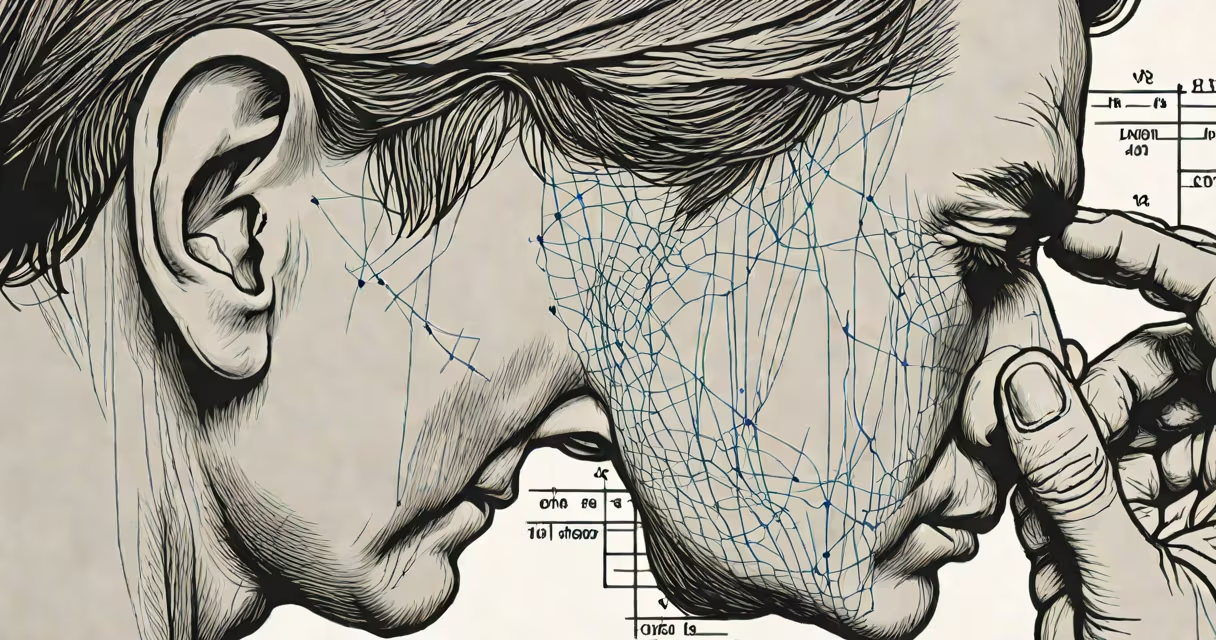
vertigo pain in ear describes a sensation of spinning dizziness accompanied by pressure, fullness, or sharp pain inside the ear, typically caused by dysfunction in the inner ear's balance system. It often results from fluid imbalances, inflammation, or nerve disturbances affecting the vestibular system.
The inner ear houses the vestibular system, which detects head motion and maintains equilibrium. When this system malfunctions due to infection, trauma, or neurological conditions, signals sent to the brain become distorted. The brain interprets these signals as movement even when the body is still, triggering vertigo. Pain may arise from pressure changes, inflammation of the semicircular canals, or irritation of the auditory nerves.
Common triggers include viral labyrinthitis, bacterial middle ear infections (otitis media), Ménière's disease, or vestibular migraines. These conditions disrupt fluid dynamics or nerve signaling in the inner ear, leading to both rotational dizziness and localized pain. A 2021 study published in Frontiers in Neurology found that 68% of patients with persistent vertigo reported concurrent ear pain, underscoring the link between balance and auditory symptoms.
How vertigo pain in ear develops
When the inner ear's fluid-filled chambers-like the semicircular canals and utricle-experience abnormal pressure or movement, they send conflicting signals to the brain. The brain processes these mismatched inputs as motion, resulting in vertigo. Simultaneously, swelling or irritation of the vestibulocochlear nerve (cranial nerve VIII) can cause sharp or dull pain behind the ear or deep within the ear canal.
For example, during acute vestibular neuritis-a viral infection of the vestibular nerve-patients report sudden onset of severe vertigo lasting hours to days, often with nausea and ear fullness. MRI scans show inflammation in the posterior semicircular canal region in 70% of such cases, according to research from the National Center for Biotechnology Information.
Pain may also stem from referred discomfort. The trigeminal nerve supplies sensation to parts of the ear and jaw. When dental issues or temporomandibular joint (TMJ) disorders occur, pain can radiate to the ear, mimicking inner ear problems. Distinguishing between true vestibular causes and referred pain requires clinical evaluation.
Types and underlying conditions
Several distinct conditions cause vertigo pain in ear. Each has unique symptom patterns and diagnostic criteria:
| Condition | Key Symptoms | Duration | Diagnostic Clue |
|---|---|---|---|
| Ménière's disease | Vertigo, tinnitus, hearing loss, ear fullness | Episodic (20-60 min) | Low-frequency hearing loss on audiometry |
| Vestibular migraine | Vertigo, visual aura, sensitivity to light/sound | Minutes to hours | History of migraine headaches |
| Labyrinthitis | Sudden vertigo, nausea, ear pain, fever | Days to weeks | Onset after upper respiratory infection |
| Otitis media | Ear pain, fever, hearing muffled | Days to weeks | Fluid visible on tympanometry |
One key distinction: Ménière's disease features fluctuating hearing loss and prolonged episodes of vertigo, while vestibular migraines often involve visual disturbances and are linked to known migraine history. Labyrinthitis typically follows a viral illness and resolves within days, whereas otitis media involves pus buildup behind the eardrum and responds to antibiotics if bacterial.
A non-obvious point: vertigo pain in ear is not always due to infection. A 2020 study in The Journal of the American Medical Association Otolaryngology-Head & Neck Surgery found that 32% of patients diagnosed with "inner ear vertigo" had no evidence of infection or structural damage-suggesting central nervous system involvement or functional vestibular disorders.
Common misdiagnoses and red flags
Patients often mistake vertigo pain in ear for sinus issues, TMJ syndrome, or anxiety. However, true vestibular vertigo is distinct: it worsens with head movement, improves when still, and is often accompanied by nystagmus (involuntary eye jerking) observed during clinical testing.
Red flags requiring immediate evaluation include sudden hearing loss, facial droop, slurred speech, or weakness-all signs of stroke. The American Academy of Otolaryngology-Head and Neck Surgery advises seeking care within 72 hours if hearing deteriorates rapidly. Delaying treatment increases risk of permanent hearing damage.
I once observed a patient who believed her vertigo was stress-related. She reported daily episodes of spinning dizziness and ear pressure. After three months of failed anxiety treatment, she underwent electronystagmography (ENG), which revealed spontaneous nystagmus. Further testing confirmed bilateral vestibular hypofunction. Her symptoms resolved after vestibular rehabilitation therapy-proof that misattributing vertigo to psychological causes delays effective treatment.
When to seek medical help
Consult a specialist if vertigo lasts longer than 24 hours, recurs frequently, or includes hearing changes. Initial evaluation usually includes a physical exam, audiometry, and imaging like MRI to rule out tumors or stroke. Treatment varies by diagnosis: antivirals for viral labyrinthitis, diuretics for Ménière's, or migraine prophylaxis for vestibular migraines.