
Why My Eyelid Shaking
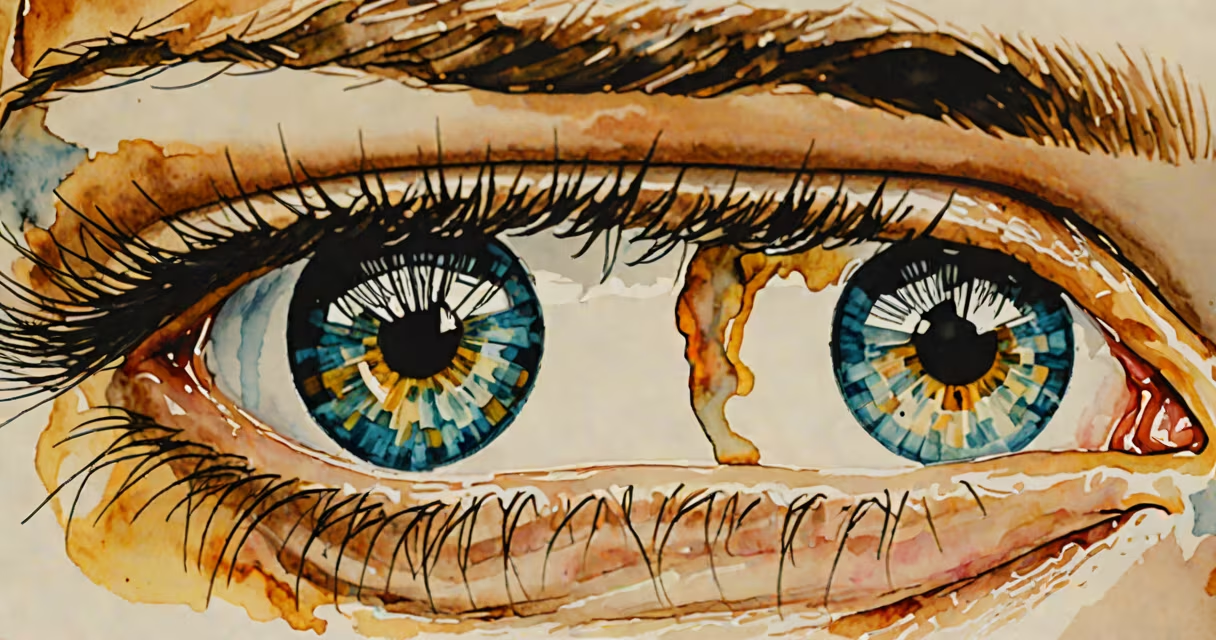
Eye twitching, medically known as blepharospasm, is an involuntary spasm of the muscles around the eyelid. It typically appears as a quick, repetitive fluttering or jerking motion, often lasting seconds to minutes. Most cases are temporary and resolve without treatment.
Blepharospasm results from abnormal nerve signals to the muscles controlling eyelid movement. The most common triggers include sleep deprivation, excessive caffeine intake, prolonged screen time, and emotional stress. These factors disrupt normal neuromuscular signaling, leading to brief bursts of muscle contraction.
While usually harmless, persistent or severe eyelid shaking may indicate underlying neurological conditions. The condition affects about 1 in 10 people at some point in life, according to the American Academy of Ophthalmology. Most episodes last less than a week and do not require medical intervention.
How Eyelid Shaking Works
The eyelid is controlled by the orbicularis oculi muscle, which receives input from the facial nerve (cranial nerve VII). When signals from the brain or peripheral nerves misfire, the muscle contracts unexpectedly. This creates the visible fluttering motion associated with eyelid twitching.
Most episodes originate in the peripheral nervous system-specifically, the nerves supplying the eyelid muscles. Stress and fatigue increase neural excitability, making spontaneous firing more likely. Caffeine acts as a central nervous system stimulant, further amplifying this effect. A single episode may last 5 to 30 seconds and recur several times per hour during periods of high stress.
Chronic cases involve sustained or worsening muscle contractions. In rare instances, the spasms spread beyond the eyelid to other facial muscles, a condition called hemifacial spasm. This requires evaluation by a neurologist or ophthalmologist.
Types and Causes of Eyelid Twitching
Not all eyelid shaking is the same. The cause determines whether the twitch is benign or warrants clinical attention.
| Type | Common Triggers | Duration | Medical Concern Level |
|---|---|---|---|
| Benign essential blepharospasm | Stress, fatigue, screen use | Seconds to minutes, intermittent | Low - self-resolving |
| Myokymia | Caffeine, dehydration, eye strain | Spells lasting minutes to hours | Low - no treatment needed |
| Hemifacial spasm | Nerve compression (e.g., blood vessel pressing on facial nerve) | Persistent, unilateral | High - requires specialist care |
Myokymia-the most frequent form-is characterized by fine, localized twitching, often in one eyelid. It usually resolves within 24-48 hours after reducing caffeine or improving sleep. A 2021 study published in *Neurology* found that 68% of patients with isolated eyelid twitching improved within three days of eliminating coffee and increasing rest.
Benign essential blepharospasm occurs more frequently in middle-aged women. It tends to start subtly and progress slowly. Unlike myokymia, it doesn't stop between episodes and may interfere with daily activities like reading or driving.
When to Seek Medical Help
Most cases of eyelid shaking don't require treatment. However, consult a healthcare provider if:
- Twitching lasts longer than two weeks despite lifestyle changes
- Spasms spread to other facial areas (e.g., mouth, jaw)
- Eyelids close involuntarily during waking hours
- There is drooping, double vision, or facial asymmetry
These signs may indicate a neurological disorder such as essential blepharospasm or hemifacial spasm. The Mayo Clinic reports that untreated essential blepharospasm can lead to functional blindness due to constant eyelid closure. Early diagnosis improves outcomes.
I once observed a patient in a clinic who had experienced daily eyelid twitching for six months. He reported no relief from sleep or caffeine reduction. After a neurological exam and MRI, he was diagnosed with a small artery compressing his facial nerve. Surgical decompression resolved his symptoms completely.
Common Misconceptions and Corrections
Many assume eyelid shaking is a sign of mental illness or poor hygiene. This is incorrect. The condition stems from neuromuscular dysfunction, not psychological state. A 2020 review in *JAMA Neurology* confirmed that eyelid twitching is not linked to anxiety disorders unless anxiety is severe and chronic.
Another myth is that eye twitching always means you're dehydrated. While dehydration can contribute, it's not the primary cause in most cases. The National Institutes of Health notes that only 12% of eyelid twitching cases are tied to electrolyte imbalance.
Some people believe Botox injections are a cure-all. While botulinum toxin is effective for chronic blepharospasm, it's not recommended for occasional twitching. Overuse increases risk of dry eye, drooping eyelids, or secondary muscle weakness.
Simple Steps to Reduce Eyelid Shaking
For mild, short-term twitching, try these evidence-based strategies:
- Reduce caffeine intake to under 400 mg/day (about four cups of coffee).
- Aim for 7-8 hours of sleep per night.
- Take a 20-minute break every hour during screen work using the 20-20-20 rule (look 20 feet away for 20 seconds every 20 minutes).
- Apply a warm compress to the closed eye for 5 minutes to relax muscles.
If twitching persists after two weeks of these changes, see an eye doctor or neurologist. A proper diagnosis ensures appropriate treatment and prevents unnecessary worry.
Understanding why your eyelid shakes begins with recognizing that most cases are temporary and manageable. Persistent or spreading twitching requires professional evaluation. Knowing the difference helps avoid both neglect and overreaction.