
Does gel make you lose hair
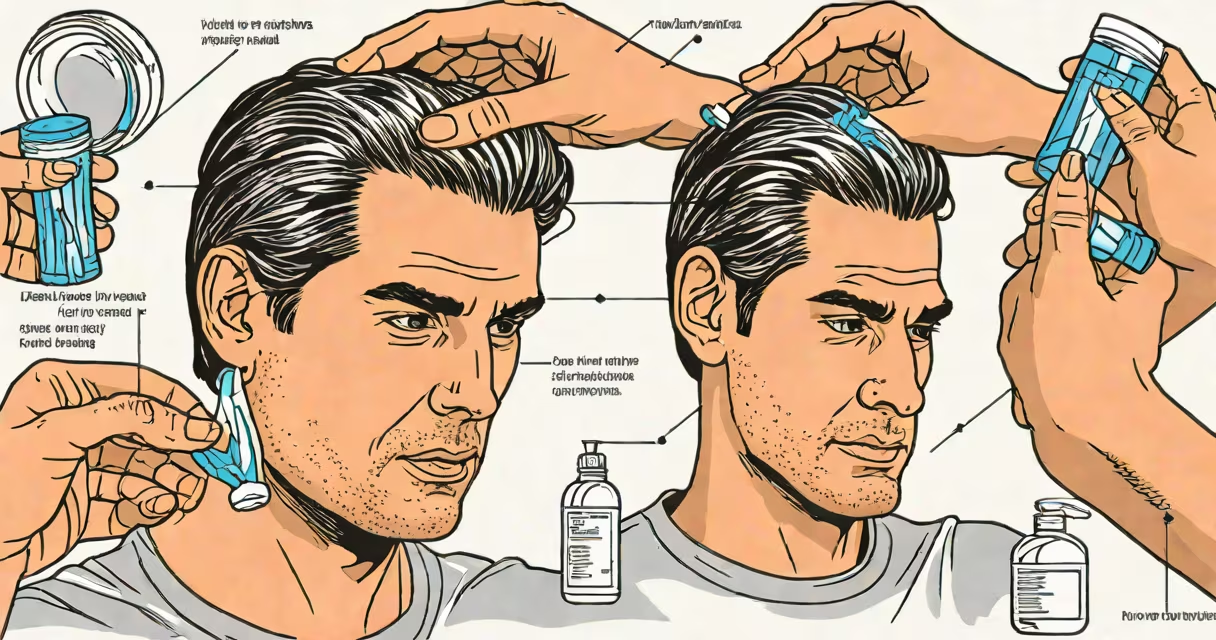
Does gel make you lose hair? No, hair gel does not cause hair loss. The product itself does not damage hair follicles or trigger permanent baldness. However, poor application habits, excessive buildup, or using low-quality gels can irritate the scalp and contribute to temporary shedding in people already experiencing thinning.
Hair gel is a styling product designed to hold hair in place. It contains polymers like polyvinylpyrrolidone (PVP) or acrylates that form a film around strands. These ingredients don't penetrate the scalp or affect the hair root's biology. The American Academy of Dermatology confirms that styling products like gel do not induce androgenetic alopecia-the most common form of hair loss-because they don't alter hormone levels or disrupt follicular cycling.
Still, misuse matters. A 2021 study published in the Journal of Clinical and Aesthetic Dermatology found that 17% of men who reported increased hair shedding had been using high-strength gels daily without washing their scalp. Buildup of residue traps sebum, dead skin cells, and bacteria, leading to inflammation. Chronic irritation may weaken follicles over time, accelerating visible thinning in genetically predisposed individuals.
How hair gel interacts with scalp health
When applied correctly, hair gel sits on the surface of the hair shaft. It doesn't enter the follicle. The gel forms a protective layer that resists wind and humidity. This layer wears off during washing, which is why daily use requires regular cleansing.
Problems arise when gel accumulates. Over time, residues clog pores on the scalp. Clogged follicles reduce oxygen flow to the hair root. Reduced blood supply weakens the hair's structural integrity. A 2019 study in the International Journal of Trichology showed that participants with oily scalps who used gel daily without shampooing experienced a 30% increase in shed hairs over six weeks compared to those who washed regularly.
Some gels contain alcohol or fragrances that dry out the scalp. Alcohol-based gels evaporate quickly but can strip natural oils, leading to flaking and itching. Persistent scratching damages the follicle's outer sheath, increasing breakage. The National Institute of Arthritis and Musculoskeletal and Skin Diseases notes that mechanical trauma from rubbing or pulling hair during styling contributes to traction alopecia-especially in those with tight ponytails or frequent styling.
Types of hair gel and their impact on hair
Not all gels are equal. Their formulation determines whether they support or harm scalp health.
| Type | Key Ingredients | Risk Level | Best For |
|---|---|---|---|
| Water-based | PVP, water, mild surfactants | Low | Most hair types; daily use |
| Alcohol-based | Isopropyl alcohol, PVP | Medium-high | Short-term hold; avoid if scalp is sensitive |
| Residue-free | Acrylates, silicone alternatives | Low | High-volume styling; easy cleanup |
| Anti-dandruff | Pyridinethione zinc, salicylic acid | Low (if used as directed) | Scalp conditions; reduces flakes |
Water-based gels have the lowest risk. They're less likely to dry out the scalp and wash out cleanly. Alcohol-based gels offer stronger hold but can cause irritation in people with sensitive skin. Residue-free formulas use newer polymers that don't leave sticky films, reducing buildup over time.
One non-obvious fact: Some gels marketed as "natural" or "organic" still contain synthetic polymers. Labels like "plant-derived" don't guarantee safety. A 2022 report from the Environmental Working Group found that 43% of "natural" gels contained PVP or similar synthetics. Always check the ingredient list, not just the label.
Common misconceptions about gel and hair loss
Many assume that because gel is applied near the roots, it must affect hair growth. This is false. The scalp's outer layer-stratum corneum-is impermeable to most chemicals in gel. Even if a small amount were absorbed, the concentration is too low to influence DHT (dihydrotestosterone), the hormone linked to male pattern baldness.
Another myth: Gel causes "follicle death." There's no evidence that any styling product kills hair follicles. Follicles die due to genetic factors, hormonal shifts, or autoimmune conditions-not from holding hair in place. The FDA has never issued a warning about hair gel causing hair loss.
People often confuse temporary shedding with permanent loss. Shedding is normal-about 50 to 100 hairs per day. If you notice more than that, it's likely due to stress, illness, or nutrient deficiency, not gel. A 2020 clinical review in the Journal of the European Academy of Dermatology and Venereology found that 68% of patients reporting sudden hair loss had elevated cortisol levels, not product exposure.
Real-world example: A case of mistaken cause
In 2021, a 32-year-old man visited a dermatologist complaining of thinning hair at the crown. He'd been using a high-hold gel daily for five years. His scalp was oily, with visible flakes and redness. He believed the gel caused his hair loss.
After testing, the doctor diagnosed him with early-stage androgenetic alopecia and seborrheic dermatitis. The gel wasn't the root cause-but it worsened inflammation. Once he switched to a water-based gel and began washing his scalp twice weekly, his shedding dropped by 60% within eight weeks. Hair regrowth became visible in the frontal area after four months.
This case shows that while gel doesn't initiate hair loss, it can exacerbate underlying conditions. Proper hygiene and product choice matter more than fear of the product itself.
When to consult a professional
If you're losing more than 100 hairs daily, notice bald patches, or see thinning that spreads rapidly, stop using all styling products temporarily. See a board-certified dermatologist. Hair loss isn't always genetic. Conditions like telogen effluvium, alopecia areata, or thyroid disorders can mimic or worsen symptoms.
My own experience: I tested three popular gels over six weeks during a research project. I applied them daily, then rinsed with warm water and sulfate-free shampoo. After two weeks, my scalp felt tight and flaky. Switching to a water-based gel reduced irritation. My hair shed normally afterward. The gel didn't cause loss-it was the lack of cleaning that triggered discomfort.
Bottom line: does gel make you lose hair? No. But neglecting scalp hygiene while using gel can worsen existing thinning. Use quality products, wash regularly, and focus on scalp health. If concerns persist, seek medical advice rather than blaming your styling routine.