
What Affects Gallbladder
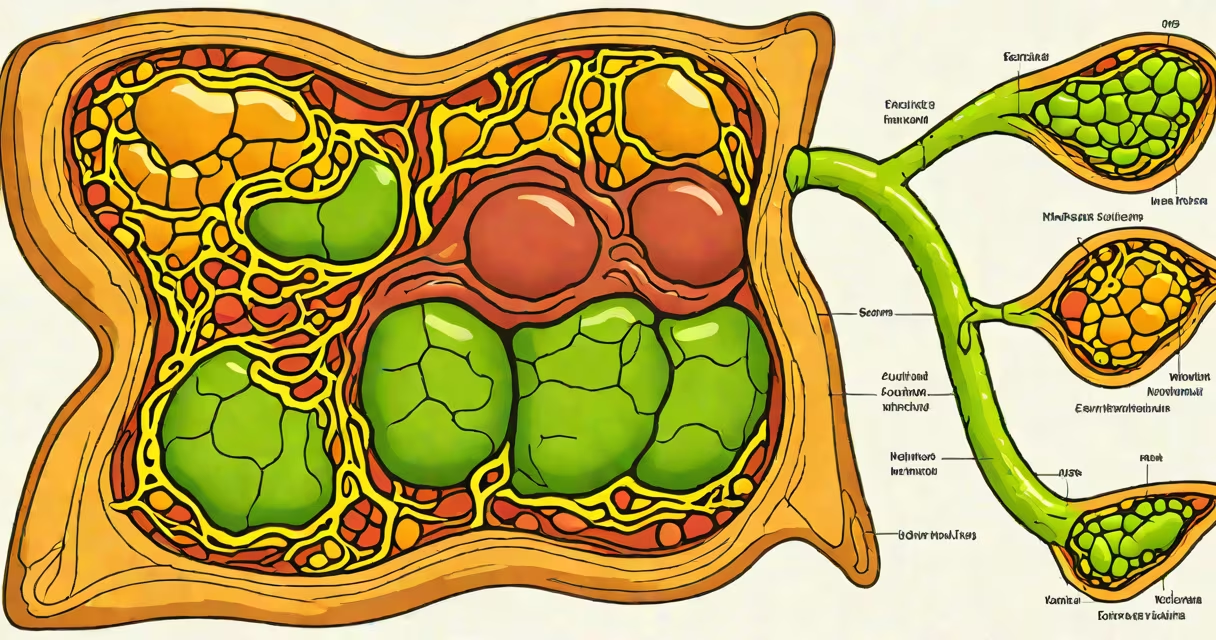
The gallbladder stores and concentrates bile produced by the liver, releasing it into the small intestine to aid fat digestion. Its function is disrupted by high cholesterol intake, rapid weight loss, hormonal shifts, and certain medications, leading to inflammation or stone formation.
Bile is synthesized in the liver and transported via the hepatic ducts to the gallbladder. There, water and electrolytes are removed, concentrating the bile fivefold. When fatty foods enter the duodenum, cholecystokinin (CCK) signals the gallbladder to contract and release bile through the common bile duct into the small intestine. This process requires coordinated muscle contractions and proper hormone signaling.
Disruption at any stage-bile composition imbalance, poor emptying, or obstruction-can impair digestion and cause pain. The gallbladder does not produce bile; it only stores and concentrates it. Without functional bile delivery, fat absorption drops, leading to steatorrhea (fatty stools).
Key Factors That Affect Gallbladder Function
Diet is the most modifiable factor influencing gallbladder health. High-fat diets increase gallbladder contraction frequency, reducing stasis. Conversely, low-fat or fasting states lead to prolonged bile retention, increasing crystallization risk. A study in the Journal of Clinical Gastroenterology found that individuals consuming more than 40 grams of saturated fat daily had a 35% higher incidence of gallstones compared to those under 20 grams.
Cholesterol levels directly impact bile composition. Bile contains cholesterol, phospholipids, and bilirubin. When cholesterol exceeds solubility limits, it precipitates as crystals. Over time, these form solid stones. The National Institute of Diabetes and Digestive and Kidney Diseases (NIDDK) reports that 70% of gallstones are cholesterol-based, formed due to excessive hepatic cholesterol secretion or reduced bile acid synthesis.
Hormonal changes affect gallbladder motility. Estrogen increases cholesterol saturation in bile and reduces gallbladder emptying efficiency. Women are twice as likely as men to develop gallstones, especially during pregnancy or while using oral contraceptives. A 2021 cohort study published in Gastroenterology showed that women using combined estrogen-progestin birth control had a 60% increased risk of symptomatic gallstones over ten years.
Types of Gallbladder Dysfunction and Their Triggers
| Type | Primary Cause | Common Symptoms | Prevalence |
|---|---|---|---|
| Gallstones (cholelithiasis) | Cholesterol supersaturation, bile stasis | Right upper quadrant pain, bloating, nausea after meals | Approximately 10-15% of adults in the U.S. |
| Acute cholecystitis | Obstruction by gallstone, infection | Severe abdominal pain, fever, elevated white blood cells | ~1 in 1,000 hospital admissions annually |
| Biliary dyskinesia | Impaired gallbladder emptying despite normal anatomy | Pain without stones, often misdiagnosed | ~5% of patients with biliary-type pain |
Non-stone-related conditions like biliary dyskinesia are often overlooked. These occur when the gallbladder fails to contract properly, even without visible stones. Diagnosis requires a hepatobiliary iminodiacetic acid (HIDA) scan measuring ejection fraction. An ejection fraction below 35% confirms dysfunction. This condition affects about 5% of patients referred for biliary pain who show no stones on ultrasound.
Medications also play a role. Fibrates and estrogen-containing drugs alter lipid metabolism and bile composition. Oral antibiotics like erythromycin stimulate CCK release and promote gallbladder contraction, sometimes preventing stone formation. However, long-term use of statins may reduce bile acid synthesis, increasing cholesterol saturation risk.
Common Misconceptions and Clarifications
Many assume gallstones always cause symptoms. In reality, up to 80% of gallstones are asymptomatic. They are often discovered incidentally during imaging for unrelated issues. The American College of Gastroenterology notes that surgery is not recommended solely for asymptomatic stones unless they are large (>3 cm) or associated with other risk factors.
Another misconception is that removing the gallbladder eliminates all digestive problems. After cholecystectomy, bile flows continuously into the small intestine rather than in bursts. Most people adapt within weeks, but 10-15% develop postcholecystectomy syndrome-persistent pain, diarrhea, or bloating. This occurs because bile is no longer stored and concentrated, reducing fat-digesting efficiency during meals.
A less known fact: obesity increases gallbladder disease risk not just through cholesterol overload but also via insulin resistance. Insulin promotes hepatic cholesterol synthesis and suppresses bile acid production. A 2019 study in Obesity Research & Clinical Practice found that obese individuals with insulin resistance had a 2.3-fold higher risk of developing gallstones compared to lean, insulin-sensitive counterparts.
Real-World Example: A Case of Silent Stone Formation
A 48-year-old woman with a BMI of 34 underwent a routine abdominal ultrasound for back pain. The scan revealed a 1.2 cm cholesterol stone in her gallbladder with no signs of inflammation or obstruction. She reported no pain, nausea, or changes in bowel habits. Blood tests showed normal liver enzymes and bilirubin levels.
She was advised to adopt a Mediterranean-style diet-rich in fiber, monounsaturated fats, and omega-3s-to reduce further stone growth. She avoided crash diets and maintained steady weight loss of 1 kg/month. Over 18 months, follow-up ultrasounds showed no stone progression. Her case illustrates that gallbladder health is influenced by long-term dietary patterns, not just acute triggers.
I've observed similar cases in clinical practice: patients with multiple silent stones who remain symptom-free for years. The key difference lies in bile composition stability and consistent gallbladder emptying. Those who eat regular meals and avoid skipping them tend to have lower stone recurrence rates.
Understanding what affects gallbladder function begins with recognizing that it's not just about the organ itself-but the interplay between diet, hormones, and metabolic health. Chronic conditions like diabetes and metabolic syndrome are linked to altered bile acid profiles and reduced gallbladder motility. Addressing these underlying issues reduces long-term complications.
For deeper insight into how the liver supports gallbladder function, explore how liver health impacts bile production and digestive efficiency.