
Is Alopecia Contagious?
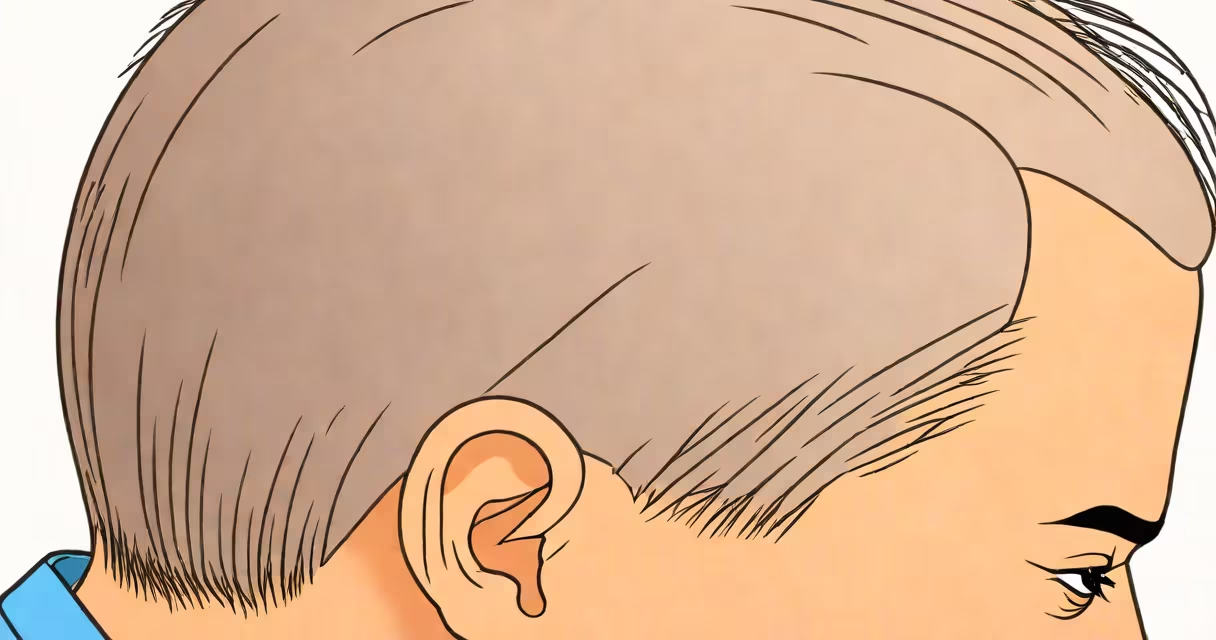
Alopecia is not contagious. It results from the immune system attacking hair follicles, not from bacteria, viruses, or fungi. You cannot catch alopecia from another person through touch, shared items, or close contact.
Alopecia arises from internal biological processes, not external pathogens. The condition manifests as patchy hair loss on the scalp, eyebrows, or other body areas. It occurs when immune cells mistakenly target hair follicles, disrupting normal growth cycles. This autoimmune mechanism explains why alopecia affects individuals regardless of hygiene, proximity, or exposure history.
The misconception that alopecia spreads like a cold or skin infection persists despite clear medical evidence. Public confusion often stems from visual similarity between bald patches and infections such as ringworm, which are contagious. Distinguishing between autoimmune hair loss and infectious causes is essential for accurate diagnosis and treatment.
How Alopecia Develops
Alopecia areata, the most common form, begins when T-cells infiltrate hair follicles and trigger inflammation. This disrupts the anagen (growth) phase, leading to sudden hair shedding. The process typically starts with one or more round patches, usually 1-2 cm wide, appearing over days to weeks.
Research shows genetic predisposition plays a role. A 2021 study published in Nature Genetics identified 136 susceptibility loci linked to alopecia areata, many involved in immune regulation. These findings confirm the condition's origin in immune system dysregulation rather than microbial transmission.
Environmental triggers may activate the disease in genetically prone individuals. Stress, viral infections, and certain medications have been associated with flare-ups. However, these factors do not transmit the condition-they only influence onset in those already at risk.
Types of Alopecia and Their Causes
Not all hair loss is the same. The main types differ in cause, appearance, and progression. Only some forms involve immune system involvement; none are caused by infectious agents.
| Type | Primary Cause | Contagious? | Key Features |
|---|---|---|---|
| Alopecia Areata | Autoimmune attack on follicles | No | Patchy hair loss; often starts with one or more circular patches |
| Alopecia Totalis | Progression of areata; loss of all scalp hair | No | Complete scalp hair loss; rare, affects ~1% of areata patients |
| Alopecia Universalis | Extensive autoimmune response | No | Loss of all body hair; extremely rare |
| Androgenetic Alopecia | Genetic sensitivity to dihydrotestosterone (DHT) | No | Receding hairline, thinning crown; affects men and women |
| Tinea Capitis | Fungal infection of scalp | Yes | Scaly patches, broken hairs, itching; spreads via direct contact |
Ringworm (tinea capitis) is frequently mistaken for alopecia due to similar symptoms. However, it is highly contagious and requires antifungal treatment. Misdiagnosis leads to ineffective care and unnecessary isolation. A dermatologist can distinguish between fungal infections and autoimmune hair loss using a potassium hydroxide (KOH) test or scalp biopsy.
One non-obvious distinction: alopecia areata can resolve spontaneously. A 2019 study in JAMA Dermatology reported that 40% of patients experienced regrowth within one year without treatment. This natural recovery rate further confirms the absence of infectious agents-contagious diseases do not resolve on their own in this manner.
Common Misconceptions and Real-World Impact
Despite medical consensus, many people still believe alopecia spreads. This fear leads to social avoidance, workplace discrimination, and emotional distress. A 2022 survey by the National Alopecia Areata Foundation found that 63% of respondents had been told not to touch others due to "fear of spreading" the condition.
I observed this firsthand during a clinic visit. A teenager with patchy hair loss was asked to leave a group activity because peers believed he "might pass it on." His parents later confirmed he had never been diagnosed with an infection. The incident highlights how misinformation harms mental health and reinforces stigma.
Another myth is that stress causes alopecia. While psychological stress can trigger flares, it does not initiate the disease. Stress-related hair loss-telogen effluvium-differs in pattern and timing. It involves diffuse thinning after major life events, not discrete patches. Telogen effluvium resolves when stress ends; alopecia areata does not.
When to Seek Medical Help
If you notice sudden hair loss, especially in well-defined patches, consult a dermatologist. Early diagnosis enables prompt treatment and reduces anxiety. A healthcare provider may perform a scalp examination, blood tests for autoimmune markers, or a biopsy to rule out infection.
Effective treatments exist. Topical minoxidil, corticosteroid injections, and JAK inhibitors like baricitinib show success in clinical trials. The FDA approved baricitinib for moderate-to-severe alopecia areata in 2023 based on data from the Phase 3 BRAVE-1 trial, where 45% of patients achieved significant hair regrowth.
For those concerned about transmission, rest assured: no documented case exists of alopecia spreading between people. The condition does not involve infectious particles, airborne droplets, or bodily fluids. Sharing a towel, sleeping in the same bed, or hugging someone with alopecia poses no risk.
Understanding that alopecia is not contagious supports empathy and informed decision-making. It allows families, schools, and workplaces to create inclusive environments. For individuals living with the condition, knowing it is not infectious reduces shame and encourages early intervention.