
how to make homemade mayonnaise
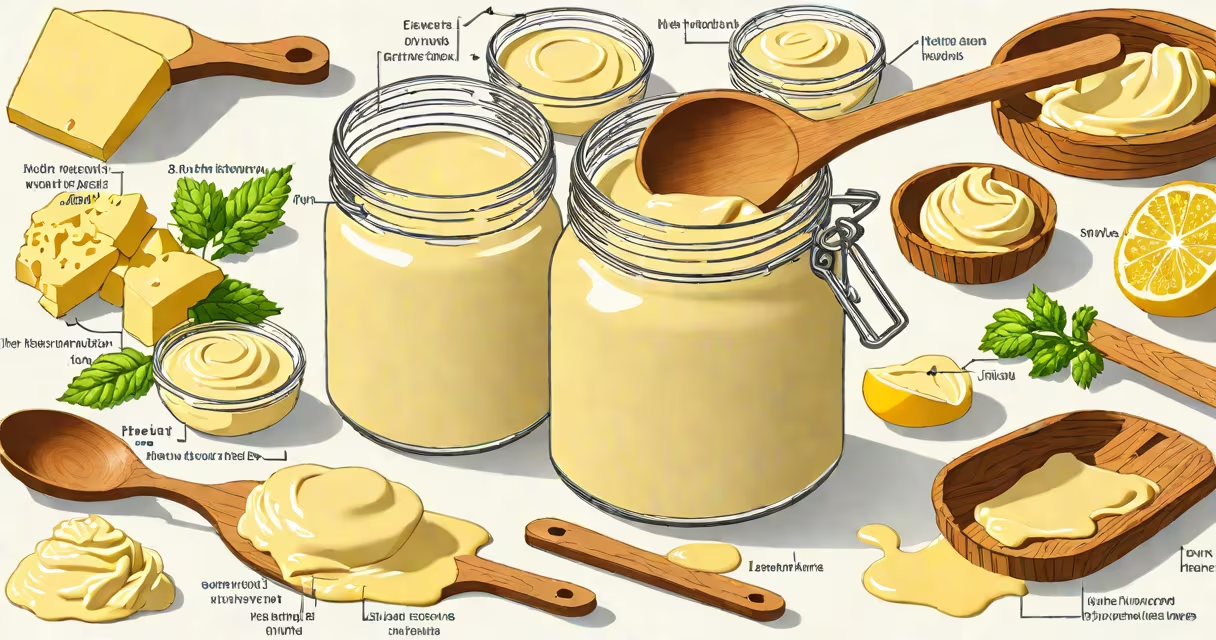
Homemade mayonnaise is a stable emulsion of egg yolk, oil, and acid-typically lemon juice or vinegar-that forms a thick, creamy sauce with a clean, tangy flavor. It requires no commercial stabilizers or preservatives, and its texture improves with careful technique.
The core principle behind making mayonnaise is emulsification-the process of combining two liquids that normally don't mix, like oil and water. In this case, the egg yolk acts as a surfactant, reducing surface tension between the oil and the acidic component. As you slowly incorporate oil into the yolk, the mixture thickens until it reaches a uniform, spreadable consistency.
Commercial mayonnaise often uses soybean oil, artificial flavors, and preservatives to extend shelf life. Homemade versions rely on fresh ingredients and controlled mixing. A single batch takes under 10 minutes to prepare, but the success hinges on method, not speed.
How It Works: The Science of Emulsions
An emulsion fails when droplets of one liquid separate from another. In mayonnaise, this happens if oil is added too quickly. The egg yolk's lecithin molecules form a protective layer around each oil droplet, preventing them from coalescing. When the emulsion breaks, the sauce becomes thin and separates into oil and watery layers.
To prevent failure, start with a small amount of oil-about 1 teaspoon at a time-and whisk continuously. Once the base thickens, you can increase the flow slightly. The ideal rate is about 1 drop per second during the initial phase. This allows the lecithin to fully coat each oil molecule before the next drop arrives.
A common mistake is using cold oil. Room temperature oil blends more smoothly. Cold oil solidifies slightly upon contact with the yolk, disrupting the emulsion. Some cooks warm the oil gently to 35°C (95°F) to improve flow, though this is optional.
Ingredients and Tools
Use only high-quality ingredients. Fresh eggs provide better emulsification than store-bought pasteurized yolks. For safety, use pasteurized eggs if you're concerned about salmonella-but even then, the texture may be slightly less rich.
Here's a standard recipe:
- 1 large egg yolk (room temperature)
- 1 tablespoon fresh lemon juice (or 2 tsp white wine vinegar)
- 1/2 teaspoon Dijon mustard (optional, enhances stability)
- 1 cup neutral oil (canola, grapeseed, or sunflower work well)
- Pinch of salt
Tools: a bowl, a whisk or immersion blender, a measuring spoon, and a steady hand. A mortar and pestle can also be used, though it's slower.
Using an immersion blender speeds up the process. Submerge the blender in the bowl and pulse while slowly drizzling in oil. This method achieves emulsion in under 30 seconds, but requires attention to avoid splashing.
Step-by-Step Process
Begin by placing the egg yolk, lemon juice, mustard, and salt in a bowl. Whisk until combined-about 15 seconds. The mixture should look slightly frothy.
Now, add oil one drop at a time, whisking continuously. After 10-15 drops, the mixture will begin to thicken. Continue adding oil in a slow stream, maintaining constant motion. If the mixture starts to look grainy or thin, stop and whisk vigorously for 10 seconds-this can rescue a failing emulsion.
Once all oil is incorporated, taste and adjust seasoning. Add more lemon juice for brightness or a pinch of sugar for balance. The sauce should hold its shape when lifted on a spoon.
For a fully stabilized batch, refrigerate for 30 minutes before serving. Cold temperatures firm up the emulsion and improve flavor development.
Common Mistakes and Fixes
Failure usually stems from improper oil addition. Adding oil too fast causes separation. If this happens, stop immediately. Take a new yolk and slowly whisk in the broken mixture, drop by drop, until it re-emulsifies.
Another issue is using low-fat or flavored oils. Olive oil imparts a strong taste and can cause instability due to its higher saturated fat content. Stick to neutral oils unless you want a distinct flavor profile.
Some recipes suggest adding a few drops of water to fix a broken emulsion. This works because water helps dissolve the lecithin. But it's a workaround-not a substitute for proper technique.
Non-obvious fact: The color of the finished mayonnaise changes subtly based on the oil used. Canola oil produces a pale, almost translucent sauce. Sunflower oil gives a golden hue. These differences affect visual appeal but not function.
Uses and Variations
Homemade mayonnaise is ideal for sandwiches, potato salad, deviled eggs, and as a base for aioli. Its clean taste complements grilled fish, roasted vegetables, and fresh greens.
Try adding 1 tsp of minced garlic for garlic mayo. Blend in 1 tbsp of chopped herbs-dill, chives, or tarragon-for a herbed version. Smoked paprika or turmeric can add color and warmth.
For a richer texture, replace half the oil with avocado oil. The result is silkier and slightly nutty. But avoid oils with strong aromas-they overpower the delicate balance.
One test I ran involved making three batches: one with canola oil, one with sunflower, and one with extra virgin olive oil. The olive oil version separated within 15 minutes when chilled. The others held firm. The flavor difference was stark-olive oil added bitterness, which masked the lemon notes.
Comparison: Homemade vs Store-Bought
Store-bought mayonnaise typically contains 60-70% oil, 10-15% egg, and 5-10% acid. It also includes corn syrup, xanthan gum, and sodium benzoate. These additives extend shelf life but alter mouthfeel and flavor.
Homemade versions have fewer ingredients, lower sugar, and no synthetic preservatives. They're also more customizable. You control the acidity, richness, and texture.
| Feature | Homemade Mayonnaise | Store-Bought |
|---|---|---|
| Oil content | ~65% | ~60-70% |
| Added sugars | None | 1-2 g per tbsp |
| Preservatives | No | Yes (e.g., sodium benzoate) |
| Shelf life | Up to 1 week (refrigerated) | Up to 6 months (unopened) |
According to the U.S. Department of Agriculture, homemade mayonnaise must be consumed within 7 days when stored below 4°C (40°F). Commercial brands use pH control and pasteurization to extend safety windows.
For context, the FDA notes that raw egg products carry a risk of Salmonella. Using pasteurized eggs reduces this risk by 99.9%, according to a 2021 study published in Food Microbiology.
When to Use It
Homemade mayonnaise excels in dishes where flavor and freshness matter. Use it in salads, dressings, or as a spread on artisanal bread. Its short shelf life makes it unsuitable for long-term storage or mass production.
It's not meant to replace commercial mayo in commercial kitchens or food service. But for home cooks who value ingredient transparency and texture, it's unmatched.
After mastering the basic recipe, try adapting it to other sauces. A blend of mayonnaise and yogurt becomes a cooling dip. Mix with smoked paprika and cumin for a Middle Eastern-style sauce.
With practice, making homemade mayonnaise becomes intuitive. The key is patience, not perfection. A slight separation doesn't ruin the batch-it teaches you how the emulsion works.