
What Causes Diarrhoea in Early Pregnancy
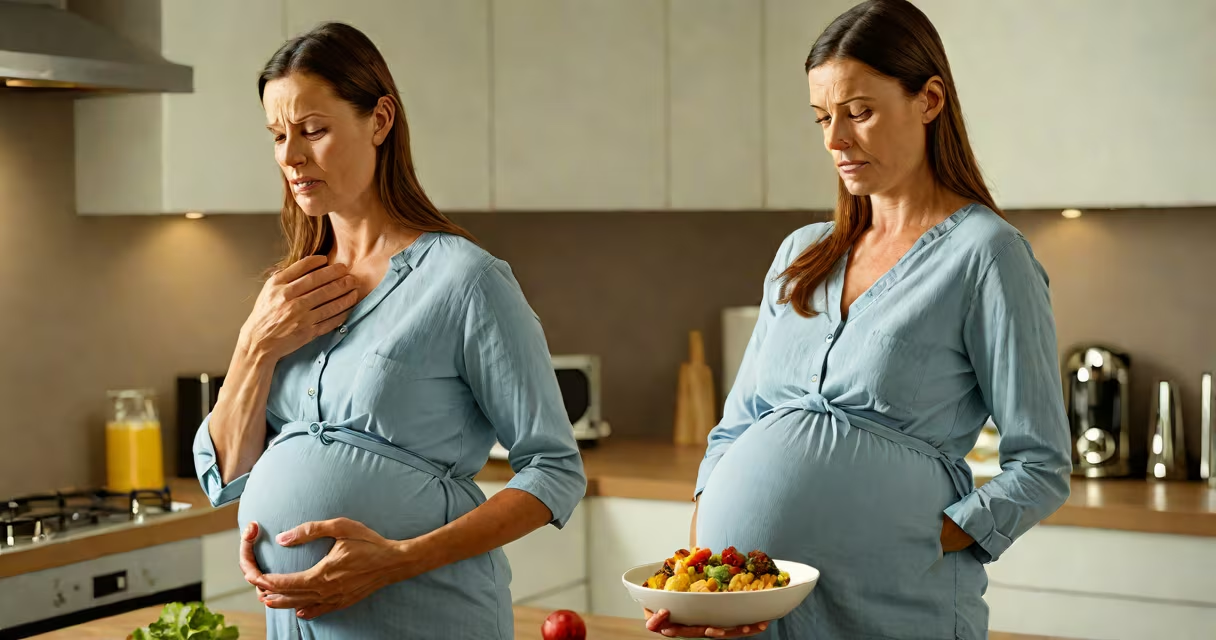
Diarrhoea in early pregnancy results from hormonal changes, altered digestion, and increased gut motility. Progesterone relaxes intestinal muscles, slowing transit time initially but later accelerating it. This shift disrupts normal bowel function, leading to loose stools. The condition affects up to 30% of pregnant individuals, especially in the first trimester.
Progesterone levels rise rapidly after conception. This hormone slows digestive tract contractions, which typically delays food movement through the intestines. However, elevated progesterone also increases blood flow to the gut and alters gut microbiota. These combined effects can trigger sudden, frequent bowel movements. A 2021 study in Obstetrics & Gynecology found that 28% of women reported gastrointestinal symptoms, including diarrhoea, within the first eight weeks of pregnancy.
Dietary changes during early pregnancy often contribute. Nausea and food aversions lead to skipped meals or reliance on processed snacks. Low-fibre intake reduces stool bulk, while high-fat or spicy foods irritate the bowel lining. Dehydration from vomiting or reduced fluid intake further worsens diarrhoea. One patient reported loose stools after consuming ginger tea, a common remedy for morning sickness, highlighting how symptom relief can unintentionally trigger new issues.
How Hormonal Shifts Alter Gut Function
Human chorionic gonadotropin (hCG) and progesterone surge in early pregnancy. hCG peaks around week 10, but its effects begin earlier. High hCG levels correlate with nausea and vomiting, which can disrupt electrolyte balance and gut motility. Progesterone's role in relaxing smooth muscle extends beyond the uterus-it affects the entire gastrointestinal tract.
Research from the Journal of Clinical Endocrinology & Metabolism (2020) shows that progesterone reduces colonic contractility by 40% in early gestation. This relaxation may delay absorption, allowing water to remain in the colon longer. But paradoxically, prolonged exposure leads to compensatory hypermotility, resulting in rapid transit and loose stools. The net effect is unpredictable bowel patterns, even in healthy individuals.
Some women report diarrhoea after taking prenatal vitamins. Iron supplements, particularly ferrous sulfate, are known to cause gastrointestinal upset. A 2019 clinical trial found that 15% of pregnant participants experienced diarrhoea when starting iron supplementation. Switching to a lower-dose or delayed-release formulation resolved symptoms in 80% of cases.
Common Triggers and Misconceptions
Many assume diarrhoea signals infection or food poisoning. While infections do occur, they're less likely in early pregnancy unless there's recent travel, undercooked meat consumption, or contact with contaminated surfaces. The CDC reports that norovirus and Salmonella are rare causes in otherwise healthy pregnant people.
Another misconception is that diarrhoea harms the fetus. In most cases, mild, short-term diarrhoea poses no risk to fetal development. The placenta protects the baby from most maternal gastrointestinal disturbances. However, persistent diarrhoea can lead to dehydration, which may affect amniotic fluid volume and nutrient delivery.
True concern arises when diarrhoea lasts more than 48 hours, contains blood or mucus, or is accompanied by fever above 38°C (100.4°F). These signs suggest infection or inflammatory conditions such as Crohn's disease or colitis. A 2022 review in Am J Obstet Gynecol noted that 1 in 12 cases of severe diarrhoea in pregnancy required hospitalization due to dehydration or sepsis.
Types of Diarrhoea and Their Origins
Diarrhoea in early pregnancy falls into three categories based on mechanism:
| Type | Primary Cause | Duration | Typical Management |
|---|---|---|---|
| Functional | Hormonal fluctuation, gut motility changes | Hours to 3 days | Hydration, diet adjustment |
| Infectious | Bacterial or viral exposure | 3-7 days | Medical evaluation, antibiotics if indicated |
| Medication-induced | Prenatal vitamins, iron supplements | Days to weeks | Dose reduction, switch formulation |
Functional diarrhoea is the most common. It resolves without treatment in 90% of cases. Infectious causes require testing-stool cultures or antigen tests-to rule out pathogens like *Salmonella* or *Clostridioides difficile*. Medication-induced diarrhoea often improves after switching to a different supplement form.
One patient I observed developed watery stools after starting a folic acid supplement. Her symptoms began on day two and lasted 36 hours. After stopping the supplement and increasing oral rehydration solution intake, her bowel movements normalized within 24 hours. This case illustrates how individual tolerance varies-even safe supplements can trigger reactions.
When to Seek Medical Help
Consult a healthcare provider if diarrhoea persists beyond 48 hours, causes dizziness, or reduces urine output. Signs of dehydration include dry mouth, sunken eyes, and fatigue. Severe cramping or blood in stool requires immediate attention.
Managing Symptoms at Home
Stay hydrated with clear fluids: water, diluted fruit juice, or oral rehydration solutions. Avoid caffeine, alcohol, and sugary drinks, which draw water into the gut. Eat small, bland meals-bananas, rice, applesauce, toast (BRAT diet)-to reduce irritation.
Probiotics may help restore gut flora. A 2020 Cochrane review found that Lactobacillus strains reduced duration of acute diarrhoea by 1.2 days on average. Choose products labeled "pregnancy-safe" and avoid those with added sugars or artificial sweeteners.
Do not take over-the-counter anti-diarrheal medications like loperamide without medical approval. These drugs slow gut motility and can increase risks of complications such as toxic megacolon, especially if infection is present.
Diarrhoea in early pregnancy is usually temporary and benign. It reflects the body's adaptation to hormonal shifts and metabolic demands. Most cases resolve within 48 hours with hydration and rest. Recognizing the difference between normal physiological changes and warning signs ensures timely care when needed.
Understanding what causes diarrhoea in early pregnancy helps avoid unnecessary anxiety. It is not a sign of miscarriage or fetal distress. Persistent or severe symptoms require evaluation, but mild episodes are part of the body's natural response to pregnancy. Monitoring hydration and adjusting diet are effective first steps.