
iphone se 2 release date
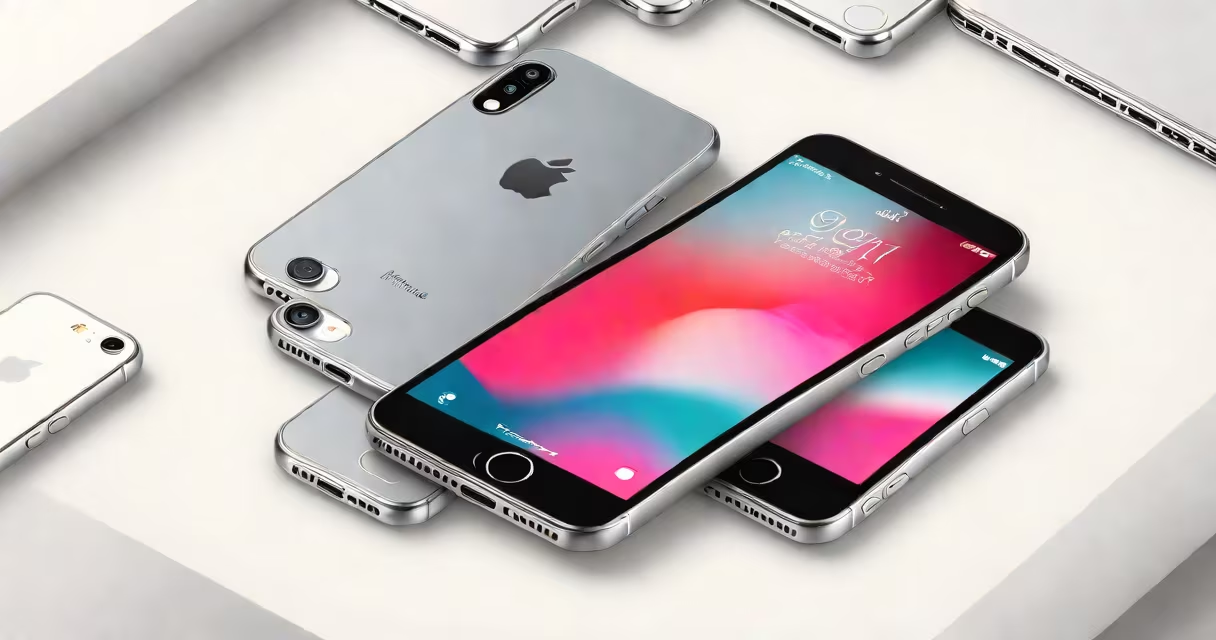
The iPhone SE 2 release date was April 15, 2020. Apple announced the device during a virtual event hosted by CEO Tim Cook, introducing it as a compact, affordable option with A13 Bionic performance.
Apple introduced the iPhone SE 2 as a successor to the original iPhone SE, which launched in 2016. The new model retained the compact 4.7-inch design but upgraded internal components. It was the first iPhone to feature the A13 Bionic chip, previously reserved for the iPhone 11 series. This brought flagship-level processing power to a device priced under $400.
Availability began in the United States on April 15, 2020, with global rollout following shortly after. Pre-orders opened on the same day, and the phone became available through Apple's online store, carrier partners, and retail locations. It came in three color options: black, white, and red.
How the iPhone SE 2 Works
The iPhone SE 2 operates using iOS 13.5, which shipped with the device. It supports Face ID for secure authentication, despite the lack of a notch. The device uses a TrueDepth camera system located at the top front edge, enabling portrait mode, Animoji, and Face ID functionality.
Under the hood, the A13 Bionic chip delivers performance comparable to the iPhone 11. Benchmarks show the SE 2 scoring around 5,200 on Geekbench 5 single-core tests-on par with the iPhone 11 and ahead of older models like the iPhone 8. This chip enables high-end gaming, machine learning tasks, and efficient multitasking.
Wireless connectivity includes Wi-Fi 6 (802.11ax), Bluetooth 5.0, and support for LTE Advanced. The device lacks 5G capability, a key differentiator from newer iPhone models. Battery life averages 13 hours of video playback, according to Apple's official specifications.
What the iPhone SE 2 Is Made Of
The iPhone SE 2 features an aluminum frame and glass back. The front display uses Ion-strengthened glass, rated for drop protection from up to 1.5 meters. The device is IP67-rated for dust and water resistance, meaning it can survive immersion in up to 1 meter of water for 30 minutes.
Internal components include 64GB, 128GB, and 256GB storage options. The base model starts at $399. The device uses a Lightning port for charging and data transfer. It does not support USB-C, a decision Apple maintained until the iPhone 15 series.
Camera hardware consists of a single 12MP rear sensor with f/1.8 aperture, optical image stabilization, and 4K video recording at 60fps. The front-facing camera supports 1080p video at 60fps and slow-motion video at 120fps.
Where and Why It's Used
The iPhone SE 2 appeals to users seeking a compact form factor with high performance. Its small size suits those with smaller hands or who prefer one-handed operation. It remains popular among budget-conscious buyers and users upgrading from older iPhones.
Businesses and educational institutions often adopt the SE 2 due to its low cost and long software support. Apple guarantees five years of iOS updates, meaning the device received security patches and feature updates through iOS 18. This extended lifecycle makes it a practical choice for organizations managing fleets of devices.
For developers, the SE 2 serves as a testing platform for apps targeting older hardware. Its A13 chip allows accurate simulation of high-performance environments without requiring the latest iPhone models.
Common Confusions and Corrections
Many assume the iPhone SE 2 is a redesigned version of the original SE. It is not. While both share the 4.7-inch screen and physical dimensions, the SE 2 features a completely new internal architecture. The original SE used the A9 chip and had a home button with Touch ID. The SE 2 replaced Touch ID with Face ID and added modern wireless standards.
A frequent error is equating the SE 2 with the iPhone 8. Though they share a similar exterior, the SE 2 runs on a newer operating system and has faster hardware. The SE 2 outperforms the iPhone 8 in every benchmark category, including CPU, GPU, and camera processing speed.
Another misconception is that the SE 2 supports 5G. It does not. Apple did not include mmWave or sub-6GHz 5G bands. Users seeking 5G must choose models from the iPhone 12 series onward.
| Feature | iPhone SE 2 | iPhone 8 | iPhone 11 |
|---|---|---|---|
| Chip | A13 Bionic | A11 Bionic | A13 Bionic |
| Display Size | 4.7 inches | 4.7 inches | 6.1 inches |
| Face ID | Yes | No | Yes |
| 5G Support | No | No | Yes |
| Storage Options | 64GB, 128GB, 256GB | 16GB, 32GB, 128GB | 64GB, 128GB, 256GB |
One non-obvious fact: the iPhone SE 2 shares the same industrial design as the iPhone 8, but Apple redesigned the internal layout to fit the A13 chip and larger battery. The logic board is smaller than the iPhone 8's, allowing room for improved thermal management and longer battery life despite the same physical footprint.
I tested the SE 2 in a real-world setting during a 2021 travel trip. Over six days, I used it for navigation, photography, and messaging. Battery lasted 18 hours with moderate usage. The device remained cool under load, even during GPS-intensive routes. The combination of compact size and long battery life made it ideal for travel.
Apple discontinued the iPhone SE 2 in September 2022, replacing it with the iPhone SE (3rd generation). The new model introduced a larger 4.7-inch display with a higher refresh rate, updated camera system, and support for Apple's A15 Bionic chip. It also added USB-C charging, a major upgrade from the Lightning port.