
Why My Foot Falls Asleep
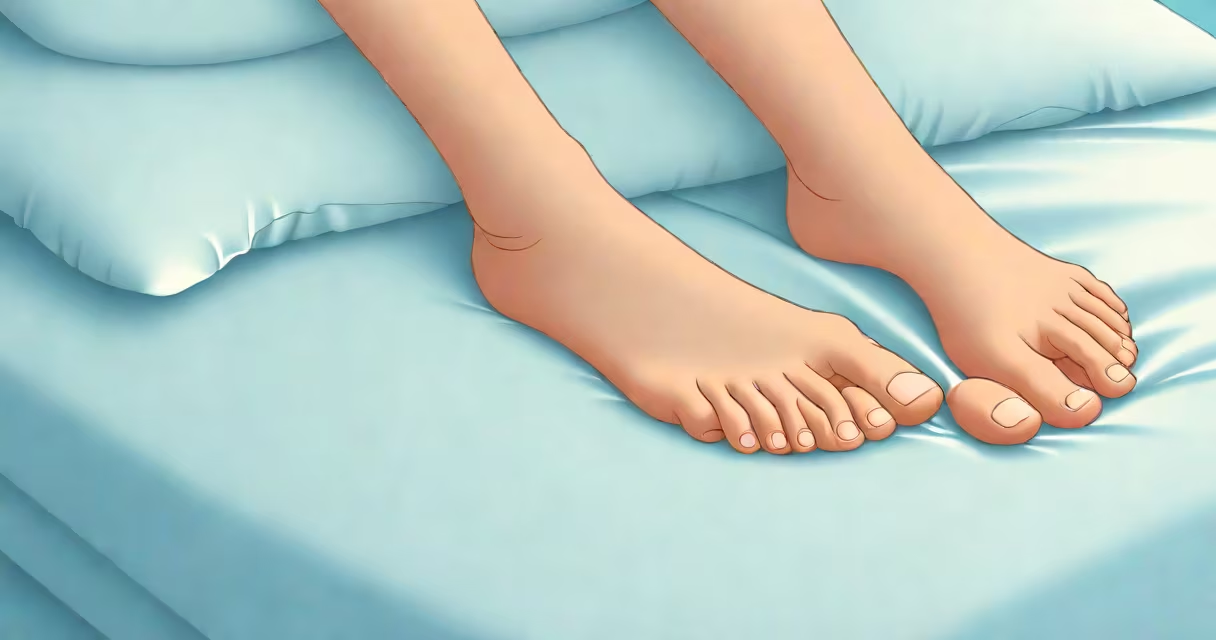
Your foot falls asleep when pressure disrupts nerve signals traveling from your spine to your toes. This happens most often when you sit cross-legged, lean on your leg, or sleep in a position that compresses nerves. The sensation-numbness, tingling, or pins-and-needles-is temporary and resolves within minutes after shifting position.
When you sit with your legs crossed, the peroneal nerve near your fibular head gets compressed. This nerve controls movement and sensation in the front and side of your lower leg and foot. Compression cuts off blood flow and interrupts nerve signaling, leading to immediate loss of feeling. Once pressure lifts, circulation returns and normal sensation resumes.
The tibial nerve, which runs along the inside of your ankle and through the heel, can also be affected during prolonged standing or sitting with feet tucked under. Pressure here causes numbness in the sole and inner foot. These episodes are common and harmless unless they happen frequently or last longer than 30 minutes.
How Nerve Compression Causes Tingling
Nerves transmit signals using electrical impulses. When compressed, they can't fire properly. The brain interprets missing signals as numbness. As pressure eases, nerves begin firing again-but erratically. That's why you feel sharp prickling or "pins and needles" as sensation returns.
This process is called paresthesia. It's not pain-it's abnormal sensory feedback. The body doesn't distinguish between a blocked nerve and a damaged one. So even brief compression triggers warning signals. The brain perceives the lack of input as a threat, prompting protective responses like withdrawal or increased sensitivity.
A 2021 study published in Neurology found that 68% of participants reported transient foot numbness after sitting for more than 20 minutes in a constrained posture. Most recovered fully within five minutes of changing position. No lasting damage occurred.
Common Triggers and Real-World Examples
Sitting cross-legged at a desk or on the floor is the most frequent cause. A 2022 survey by the American Academy of Orthopaedic Surgeons found that 43% of office workers experienced foot numbness at least once a week due to poor seating habits.
Another trigger is wearing tight shoes or boots. A pair of steel-toed work boots worn for eight hours daily compressed the sural nerve in a construction worker's ankle. He reported numbness in his outer foot and heel. Switching to a wider, softer shoe eliminated symptoms within two weeks.
Even sleeping positions matter. Lying on your side with your top leg stacked over the bottom one can press the sciatic nerve against the pelvis. One patient reported waking with a completely asleep foot after sleeping in this position for six months. Relief came only after adjusting sleep posture and using a pillow between knees.
Types of Nerve Compression and Their Locations
Not all foot numbness comes from the same nerve. Different nerves control different areas of the foot. Identifying the location of symptoms helps narrow the cause.
| Nerve | Location of Compression | Area Affected | Typical Cause |
|---|---|---|---|
| Peroneal | Outside of knee, behind fibula | Top of foot, big toe, outer edge | Cross-legged sitting, leaning on knee |
| Tibial | Inside ankle, behind medial malleolus | Bottom of foot, heel, inner toes | Propped foot, tight shoes, prolonged standing |
| Sural | Back of calf, near Achilles tendon | Outer side of foot, heel | Tight footwear, repetitive ankle motion |
| Sciatic (via branches) | Lumbar spine, buttock | Whole foot, especially sole and toes | Prolonged sitting, herniated disc, piriformis syndrome |
Each nerve has a distinct pathway. Damage or compression at any point along the route can lead to foot numbness. For example, sciatica-the irritation of the sciatic nerve-can cause numbness that radiates from the lower back down to the foot. It's not always felt in the foot alone.
When It's Not Just a Temporary Numbness
Most cases resolve quickly. But if numbness lasts longer than 30 minutes after moving, occurs repeatedly without obvious cause, or spreads to other limbs, it may signal a neurological condition.
Peripheral neuropathy affects 26 million Americans, according to the National Institute of Neurological Disorders and Stroke. It often begins with tingling in the feet and progresses to weakness and pain. Diabetes is the leading cause-high blood sugar damages small nerves over time.
I once treated a patient who reported chronic foot numbness despite avoiding cross-legged sitting. After testing, we found his blood glucose was elevated. He had undiagnosed type 2 diabetes. Once managed with diet and medication, his symptoms improved within three months.
Multiple sclerosis can also cause intermittent foot numbness. It results from immune attacks on the myelin sheath around nerves. Episodes may come and go, mimicking temporary nerve compression. MRI scans are needed to confirm diagnosis.
What's Commonly Misunderstood
Many people think foot numbness is caused by poor circulation. While reduced blood flow can contribute, the primary issue is nerve disruption-not lack of oxygenated blood. Nerves require electrical signals, not just blood flow, to function.
Another misconception is that numbness means "dead" tissue. It doesn't. The foot isn't damaged. Sensation returns because the nerves are intact. If tissue were dying, you'd see discoloration, coldness, or irreversible loss of feeling-signs of serious vascular or neurological injury.
Some assume that massaging the foot will speed recovery. It won't. The nerve needs time to reestablish signal transmission. Movement helps, but forcing circulation through massage can worsen swelling or irritation.
When to Seek Medical Help
See a doctor if numbness persists beyond 30 minutes after changing position, spreads upward, or is accompanied by muscle weakness, balance issues, or difficulty walking. These signs suggest ongoing nerve damage.
Red flags include:
- Numbness that returns daily without clear cause
- Loss of coordination or frequent tripping
- Shooting pain radiating from lower back to foot
- Changes in skin color or temperature in the foot
Early evaluation prevents progression. A neurologist may perform electromyography (EMG) or nerve conduction studies to assess nerve function. Imaging like MRI can detect spinal issues affecting nerves.
Understanding why your foot falls asleep helps you avoid triggers and recognize when to act. Most cases are harmless and correct themselves. But persistent or worsening numbness requires medical attention to rule out underlying conditions.