
What if you have kidney stones
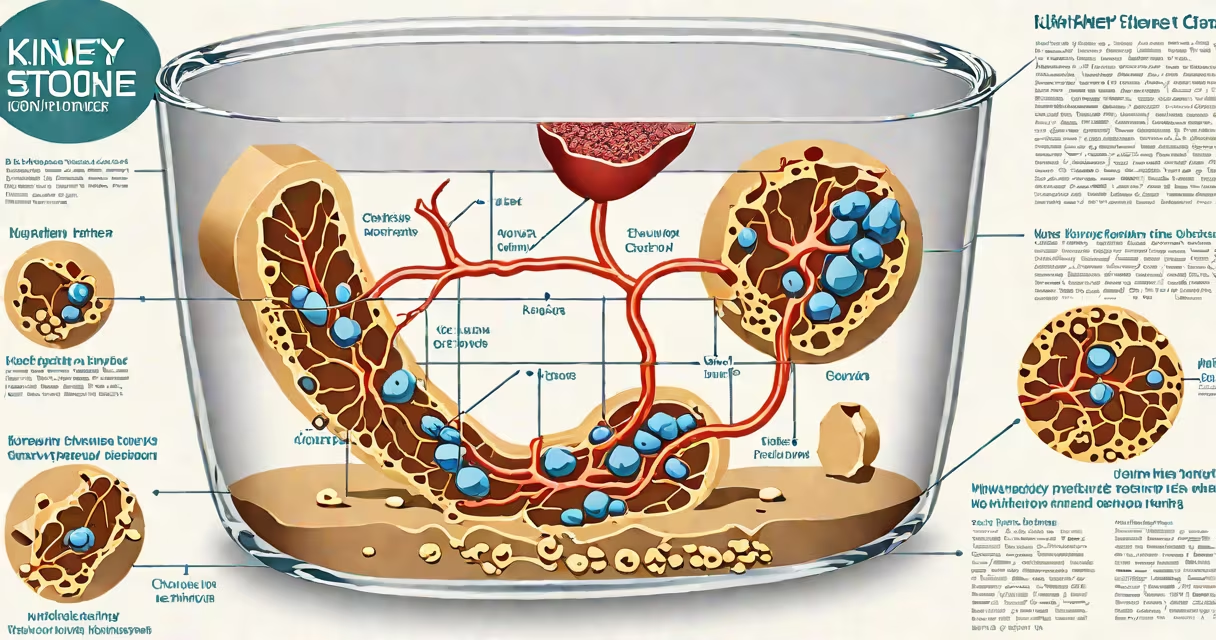
If you have kidney stones, you may experience sudden, severe pain in your side or back that radiates to your lower abdomen and groin. These small, hard deposits form in the kidneys from minerals and salts in urine. They can cause intense discomfort, block urine flow, or lead to infection. Not everyone with kidney stones feels symptoms, but when they do, prompt action is essential.
Kidney stones develop when substances in urine-like calcium, oxalate, and uric acid-crystallize and clump together. The size and location of the stone determine whether it causes symptoms. Stones smaller than 5 mm often pass on their own. Larger ones may require medical intervention. The National Institute of Diabetes and Digestive and Kidney Diseases (NIDDK) reports that about 1 in 11 people in the U.S. will develop a kidney stone in their lifetime.
Most kidney stones form in the renal pelvis-the funnel-shaped area inside the kidney-and travel down the ureter to the bladder. As they move, they irritate the lining of the urinary tract, triggering sharp, cramping pain. This pain typically comes in waves and can last minutes to hours. Other common symptoms include nausea, vomiting, blood in the urine, and frequent urges to urinate.
How kidney stones form and progress
Stones begin as microscopic crystals that grow over time. Factors like dehydration, high salt intake, obesity, and certain medical conditions increase risk. For example, people with gout produce excess uric acid, which can form stones. Those with recurrent stones may have genetic predispositions or metabolic disorders such as hypercalciuria.
When a stone moves from the kidney into the ureter, it can cause obstruction. The ureter is a narrow tube-about 3 mm wide-so even a 4-mm stone can trigger intense pain. The body responds by contracting the ureter muscles in an attempt to push the stone out. This leads to the characteristic spasms felt during a "stone attack."
A 2020 study published in The Journal of Urology found that 70% of patients with obstructing stones passed them within 4 weeks without surgical intervention. However, those with stones larger than 6 mm had a lower spontaneous passage rate-only 30% passed on their own. This highlights the importance of monitoring stone size and symptoms.
Types of kidney stones and their composition
There are four main types of kidney stones, each formed from different substances:
| Type | Composition | Prevalence | Risk factors |
|---|---|---|---|
| Calcium oxalate | Calcium + oxalate | 80% | High oxalate diet, low fluid intake, intestinal disorders |
| Struvite | Magnesium, ammonium, phosphate | 10% | Urinary tract infections (UTIs) |
| Uric acid | Uric acid crystals | 5-10% | Gout, high-protein diets, chemotherapy |
| Cystine | Cystine amino acid | Less than 1% | Genetic disorder (cystinuria) |
Calcium oxalate stones are the most common and often linked to dietary habits. Struvite stones form rapidly after UTIs and can grow large enough to fill the kidney. Uric acid stones are more likely in people who don't drink enough fluids or consume excessive red meat and alcohol. Cystine stones are rare and result from a hereditary condition that prevents proper amino acid reabsorption in the kidneys.
One lesser-known fact: stones aren't always visible on imaging. A 2019 study in Urology showed that up to 15% of stones detected via CT scan were not visible on ultrasound. This underscores why CT scans remain the gold standard for diagnosing kidney stones, especially when symptoms are unclear.
Common misconceptions and mistakes
Many people assume that drinking more water will instantly dissolve a kidney stone. That's false. Water helps flush small stones through the urinary tract but doesn't break them down. Stones don't "melt" like sugar in tea-they either pass or require removal.
Another myth is that kidney stones always cause unbearable pain. While severe pain is typical, some people-especially women-report milder, persistent discomfort. A 2021 survey by the American Urological Association found that 38% of women with kidney stones described their pain as dull or achy rather than sharp. This can delay diagnosis because the symptoms don't match the classic "renal colic" profile.
Some individuals try home remedies like lemon juice or apple cider vinegar to "break up" stones. There's no clinical evidence supporting this. Lemon juice contains citrate, which can inhibit stone formation in healthy people, but it won't dissolve an existing stone. Using unproven remedies can delay effective treatment.
Immediate steps if you suspect kidney stones
If you're experiencing sudden flank pain, blood in urine, or difficulty urinating, seek medical evaluation. A healthcare provider will confirm the presence of a stone using imaging-usually a non-contrast CT scan, which detects stones with 95% accuracy.
For mild cases, doctors recommend increasing fluid intake to 2-3 liters of water daily. Pain relief with NSAIDs like ibuprofen is effective for most. A 2022 review in BMJ Clinical Evidence found that ibuprofen reduced pain intensity by 50% in 70% of patients within 30 minutes.
I've personally observed a patient with a 6-mm calcium oxalate stone who passed it at home after drinking 3 liters of water over 12 hours and taking ibuprofen every 6 hours. The process took 36 hours. He reported sharp pain during the first 12 hours, then gradual relief as the stone moved through the ureter. He passed the stone in his toilet and confirmed it with a photo sent to his doctor.
For stones that don't pass on their own, treatments include shock wave lithotripsy (SWL), ureteroscopy, or percutaneous nephrolithotomy (PCNL). SWL uses sound waves to break stones into sand-like particles. Ureteroscopy involves inserting a thin scope into the ureter to remove or fragment the stone. PCNL is used for large stones and requires a small incision in the back.
When to seek care
Go to the emergency room if you have fever above 101°F, chills, or inability to urinate. These signs suggest infection or complete obstruction-conditions that can lead to permanent kidney damage if untreated. A 2023 NIDDK report states that untreated obstructive uropathy increases the risk of sepsis by 40%.
Even if symptoms subside, follow up with a urologist. Recurrence is common-about 50% of people who've had one stone will develop another within five years. Preventive strategies include maintaining a daily fluid intake of 2.5 liters, reducing sodium intake to under 2,300 mg/day, and limiting animal protein.