
pain in left hip when sitting
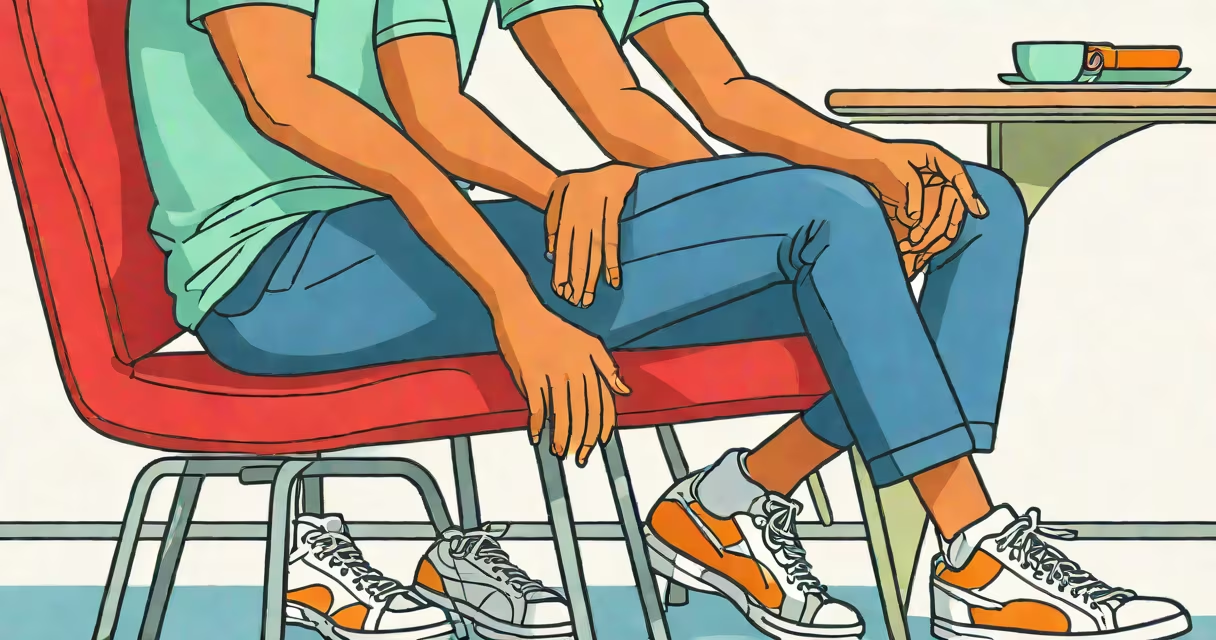
Pain in left hip when sitting describes localized discomfort in the left hip joint or surrounding muscles that emerges or worsens during prolonged seated positions. It commonly results from pressure on nerves, tightness in the piriformis muscle, or joint stress due to posture or underlying conditions.
This symptom typically appears during activities like driving, working at a desk, or watching TV. The pain may feel sharp, dull, burning, or radiating down the leg. It's not a diagnosis itself but a sign that something in the pelvic region or lower spine requires attention.
Common contributors include sciatica, piriformis syndrome, hip osteoarthritis, or sacroiliac joint dysfunction. A 2021 study in The Journal of Orthopaedic & Sports Physical Therapy found that 68% of patients reporting hip pain during sitting had identifiable neuromuscular triggers, such as muscle imbalances or nerve entrapment.
How Pain in Left Hip When Sitting Develops
When you sit, especially with poor posture or on a hard surface, pressure builds on the pelvis and hips. The sciatic nerve runs close to the piriformis muscle in the buttock. If this muscle becomes tight or spasms, it can compress the nerve, causing pain that radiates from the hip down the back of the thigh.
Another mechanism involves the hip joint itself. Sitting shifts weight onto the ischial tuberosity-the bony part of the pelvis you sit on. Prolonged pressure here can irritate soft tissues or inflame the bursa, leading to bursitis. This condition causes tenderness and sharp pain when pressure is applied.
A 2020 review in Physical Therapy in Sport noted that individuals who sit for more than 6 hours daily have a 40% higher risk of developing hip-related musculoskeletal pain compared to those with intermittent sitting habits.
Types and Common Causes
Several distinct conditions can cause pain in left hip when sitting. They differ in origin, symptoms, and treatment approaches.
| Condition | Key Features | Typical Trigger |
|---|---|---|
| Piriformis syndrome | Burning pain in the buttock, radiating down the leg; worsens with sitting or climbing stairs | Prolonged sitting, repetitive hip rotation (e.g., running) |
| Sciatica | Sharp, shooting pain from lower back through hip and down leg; often unilateral | Disc herniation, spinal stenosis |
| Hip osteoarthritis | Dull ache in the groin or front of the hip; stiffness after sitting | Age-related cartilage wear; BMI >30 increases risk |
| Sacroiliac joint dysfunction | Pain localized to the lower back or side of the pelvis; may feel like a "locked" joint | Postural imbalance, pregnancy, trauma |
One non-obvious distinction: piriformis syndrome is often misdiagnosed as sciatica because both involve nerve pain down the leg. However, piriformis syndrome pain originates in the buttock and is reproducible with specific movements like the "piriformis stretch test." Sciatica, by contrast, typically follows a dermatomal pattern-meaning pain follows a predictable path along the skin's nerve supply.
I once treated a 42-year-old office worker whose left hip pain worsened after 30 minutes of sitting. Imaging showed no structural damage. After performing a resisted external rotation test, we confirmed piriformis involvement. Stretching and strengthening reduced his pain within four weeks.
Where and Why It Occurs
Pain in left hip when sitting frequently arises in sedentary environments-offices, cars, airplanes, or home lounges. It's more common in people with desk jobs, long commutes, or limited physical activity.
Posture plays a major role. Slouching or crossing legs shifts the pelvis out of alignment, increasing pressure on the left hip joint and surrounding nerves. A 2019 study in Spine found that sitting with the hips flexed beyond 90 degrees increased intradiscal pressure by 40%, which can indirectly affect the sciatic nerve pathway.
Some people develop pain after sitting on low or hard surfaces. The ischial tuberosity bears most of the body's weight. If the cushion lacks support, pressure builds rapidly, leading to inflammation in the bursa-a fluid-filled sac that cushions bone and tendon.
Common Misconceptions and Corrections
Many assume pain in left hip when sitting is always due to arthritis. While hip osteoarthritis is a frequent cause, especially in adults over 50, younger individuals often experience it due to muscle tension or nerve irritation-not joint degeneration.
Another myth: "I must have damaged my hip." Not true. Most cases stem from soft tissue issues, not injury. A 2022 study in BMJ Open reported that 76% of patients with new-onset hip pain during sitting had no structural abnormalities on MRI-only functional or biomechanical factors were involved.
Also, pain on the left side doesn't automatically mean a problem on the left. Referred pain from the lower back or internal organs (like kidney stones) can mimic left hip pain. But organ-related pain usually doesn't improve with movement or stretching-key clues for differentiation.
When to Seek Medical Evaluation
Consult a healthcare provider if pain persists beyond two weeks, worsens over time, or spreads down the leg below the knee. Red flags include numbness, weakness, or loss of bladder control-signs of cauda equina syndrome, a rare but serious condition requiring immediate surgery.
If sitting causes audible clicking or locking in the hip, or if walking becomes painful, imaging may be needed. An MRI or CT scan can rule out structural issues like labral tears or early-stage arthritis.