
What Is Galvanised Metal
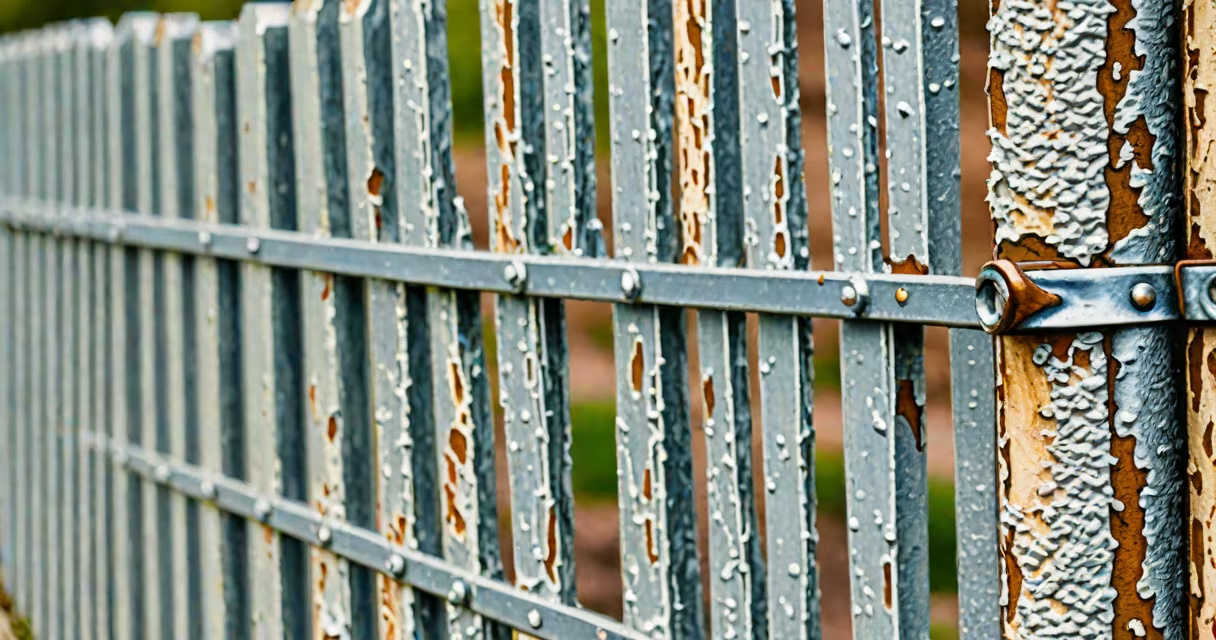
Galvanised metal is steel or iron coated with a layer of zinc to prevent rust and extend service life. The zinc acts as a sacrificial barrier, corroding before the underlying metal even if scratched.
The process begins with cleaning the metal surface to remove oil, dirt, and oxides. This ensures the zinc adheres properly. The most common method is hot-dip galvanising, where the cleaned steel is submerged in molten zinc at approximately 450°C (842°F). During immersion, a metallurgical bond forms between the iron in the steel and the zinc, creating a series of zinc-iron alloy layers. These layers provide superior protection compared to pure zinc coatings.
An alternative method is electrogalvanising, which uses an electric current to deposit zinc onto the metal surface. This produces thinner, more uniform coatings and is often used in automotive manufacturing and appliances where appearance matters. However, it offers less long-term protection than hot-dip galvanising.
How It Protects Against Corrosion
Zinc's ability to protect steel stems from its electrochemical properties. Zinc is more reactive than iron, meaning it oxidises first when exposed to moisture and oxygen. Even if the coating is damaged, the zinc continues to corrode preferentially, shielding the steel underneath-a phenomenon known as cathodic protection.
For example, a galvanised steel beam used in a bridge near coastal areas will resist saltwater exposure far longer than untreated steel. Studies by the American Galvanizers Association show that hot-dip galvanised steel can last 50 years or more in rural environments and 20-30 years in industrial or marine settings, depending on thickness and environmental conditions.
A key factor in longevity is coating thickness. The minimum recommended thickness for structural applications is 85 micrometres (μm), measured using magnetic thickness gauges. Thicker coatings, such as those exceeding 125 μm, are used in harsh environments like offshore platforms or chemical plants.
Types and Applications
Galvanised metal comes in several forms based on the application and required performance:
| Type | Coating Method | Typical Thickness | Common Uses |
|---|---|---|---|
| Hot-dip galvanised | Immersion in molten zinc | 85-125 μm | Building frames, fencing, streetlights, utility poles |
| Electro-galvanised | Electroplating with zinc solution | 5-20 μm | Appliance parts, car bodies, electronic enclosures |
| Pre-galvanised sheet | Steel coil coated before forming | 20-60 μm | Roofing, cladding, gutters |
Pre-galvanised sheets are widely used in roofing because they allow for precise shaping during fabrication without compromising the coating integrity. In contrast, hot-dip galvanising is preferred for large structural components where maximum durability is critical.
One non-obvious point often missed: the zinc coating changes colour over time. Freshly galvanised surfaces appear shiny silver. After exposure to air, they develop a dull grey patina due to oxidation. This is not degradation-it's normal and indicates the protective layer is functioning. Some manufacturers even market this as a design feature in architectural applications.
Common Misconceptions and Confusions
People often confuse galvanised metal with painted or powder-coated steel. Painted steel relies on a physical barrier to block moisture. If scratched, the underlying steel begins to rust immediately. Galvanised metal, however, continues to protect even when damaged due to its electrochemical action.
Another frequent error is assuming all zinc-coated metals are equal. A galvanised nail used in a backyard shed may have a thin coating (around 15 μm), while a galvanised pipe for water mains can exceed 80 μm. Coating thickness varies by standard: ASTM A123 specifies minimum thicknesses based on material thickness and application.
I once observed a construction site where workers reused galvanised steel beams from a demolished warehouse. The beams had visible pitting in areas where the coating was worn. Despite this, the steel beneath remained intact. A field test with a magnet confirmed the coating was still present in most zones. This demonstrated how effective galvanisation remains-even after decades of exposure.
Environmental and Safety Considerations
Galvanising is environmentally sound. Zinc is a naturally occurring element and recyclable. According to the International Zinc Association, over 95% of zinc used in galvanising is recovered and reused. The process emits low levels of greenhouse gases compared to other metal treatments.
However, safety protocols are essential during hot-dip galvanising. Molten zinc can reach temperatures above 450°C. Workers must wear heat-resistant gear and follow strict handling procedures. Fumes from the zinc bath contain zinc oxide particles, which can cause metal fume fever if inhaled in high concentrations. Proper ventilation and respiratory protection are mandatory.
When disposing of galvanised metal, avoid burning it. Incineration releases toxic zinc compounds into the atmosphere. Instead, recycle through scrap yards that accept galvanised materials. Recycling preserves the zinc and reduces demand for new mining.
Final Thoughts
Galvanised metal is a durable, cost-effective solution for protecting ferrous metals from corrosion. Its effectiveness lies in both physical barrier and electrochemical action. From highway guardrails to solar panel mounts, it underpins infrastructure worldwide.
Understanding what is galvanised metal helps in selecting the right material for projects requiring longevity and minimal maintenance. Always verify coating thickness and compliance with standards like ASTM A123 or ISO 1461 for critical applications.