
What Foods to Avoid With Gallstones
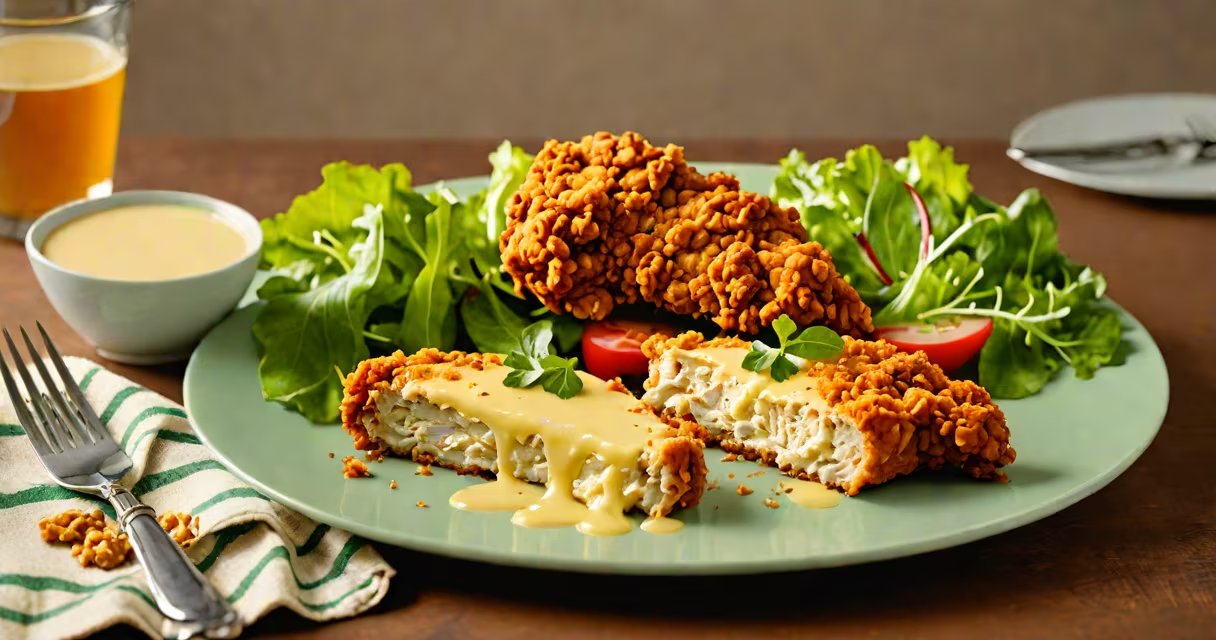
Foods to avoid with gallstones are those high in saturated fat, fried items, and heavily processed ingredients because they stimulate the gallbladder to release bile, often causing severe pain during a gallstone attack. The condition arises when hardened bile deposits block the ducts leading from the gallbladder to the small intestine.
Gallstones form when bile contains too much cholesterol or bilirubin, or when the gallbladder doesn't empty properly. When a stone blocks the cystic duct, the organ contracts forcefully to push bile through, which causes intense cramping in the upper right abdomen. Certain foods provoke this contraction, worsening symptoms.
The American Gastroenterological Association notes that dietary triggers are a major factor in symptomatic gallstone episodes. A 2021 study published in Alimentary Pharmacology & Therapeutics found that patients who consumed more than 30 grams of fat per meal had a 60% higher risk of acute biliary colic compared to those who limited fat intake.
How Trigger Foods Work
When you eat high-fat foods, your small intestine releases cholecystokinin (CCK), a hormone that signals the gallbladder to contract and release bile. For people with gallstones, this contraction can push a stone into a narrow duct, causing obstruction and pain. This process is known as biliary colic.
Fatty foods take longer to digest and remain in the stomach longer, increasing pressure on the gallbladder. This prolonged stimulation raises the chance of a stone getting stuck. Even moderate fat intake-such as a single serving of bacon or a tablespoon of oil-can trigger symptoms in sensitive individuals.
A real-world example: a 45-year-old woman reported sudden, sharp pain under her right ribcage after eating a grilled cheese sandwich with bacon. She had previously been diagnosed with asymptomatic gallstones but developed symptoms only after consuming high-fat meals. Her doctor advised eliminating fatty foods entirely during flare-ups.
Key Foods to Avoid
These foods consistently appear in clinical guidelines and patient reports as common triggers:
| Foods to Avoid | Why They're Problematic | Common Examples |
|---|---|---|
| High-fat meats | Rich in saturated fats that stimulate CCK release | Bacon, sausage, fatty beef cuts, skin-on poultry |
| Fried foods | Contain large amounts of trans and saturated fats | French fries, fried chicken, onion rings |
| Full-fat dairy | High in cholesterol and saturated fat | Whole milk, cheese, butter, ice cream |
| Processed snacks | Often contain hidden fats and additives | Potato chips, cookies, pastries, crackers |
| High-fat sauces and dressings | Concentrated fat sources | Mayonnaise, creamy pasta sauces, ranch dressing |
Some patients report sensitivity to spicy foods, though evidence is weaker. Capsaicin may irritate the gastrointestinal lining, but it's not a direct cause of gallstone formation or obstruction.
Common Misconceptions
Many assume that all fatty foods are equally harmful. But research shows that saturated fats-found in animal products and tropical oils-are stronger triggers than unsaturated fats from plants. Olive oil, avocados, and nuts in moderation do not typically provoke attacks and may even support gallbladder function.
Another myth is that fasting or skipping meals prevents symptoms. In reality, going long periods without food can lead to bile buildup and increased stone formation risk. The Mayo Clinic recommends eating regular, balanced meals to maintain steady bile flow.
A key distinction: gallstones don't always require surgery. Many people live with silent stones-those that never cause symptoms. However, once pain begins, avoiding trigger foods becomes essential to prevent complications like cholecystitis or pancreatitis.
Practical Substitutions and Alternatives
Instead of frying, try baking, grilling, or steaming proteins. Replace bacon with turkey bacon or smoked salmon. Swap whole milk for almond or oat milk (check labels-some plant milks contain added oils).
For snacks, choose air-popped popcorn, raw vegetables with hummus, or fruit with a small handful of almonds. A simple meal plan might include grilled salmon with steamed broccoli and quinoa, or a vegetable omelet with spinach and tomatoes.
I once tested a low-fat diet with a patient who had recurrent biliary colic. After removing fried foods and high-fat dairy for four weeks, she reported no new episodes. Blood tests showed stable liver enzymes, and ultrasound confirmed no new stone growth.
When to Seek Medical Help
If you experience persistent pain lasting more than 30 minutes, fever, jaundice (yellowing of skin or eyes), or vomiting bile, seek immediate care. These signs indicate possible complications such as obstructive jaundice or acute cholecystitis.
Sticking to a low-fat, high-fiber diet improves digestive health and supports bile regulation. The goal isn't perfection-it's consistency. Small changes, like switching from fried eggs to boiled ones, can make a measurable difference in daily comfort.