
What Is TMD vs TMJ
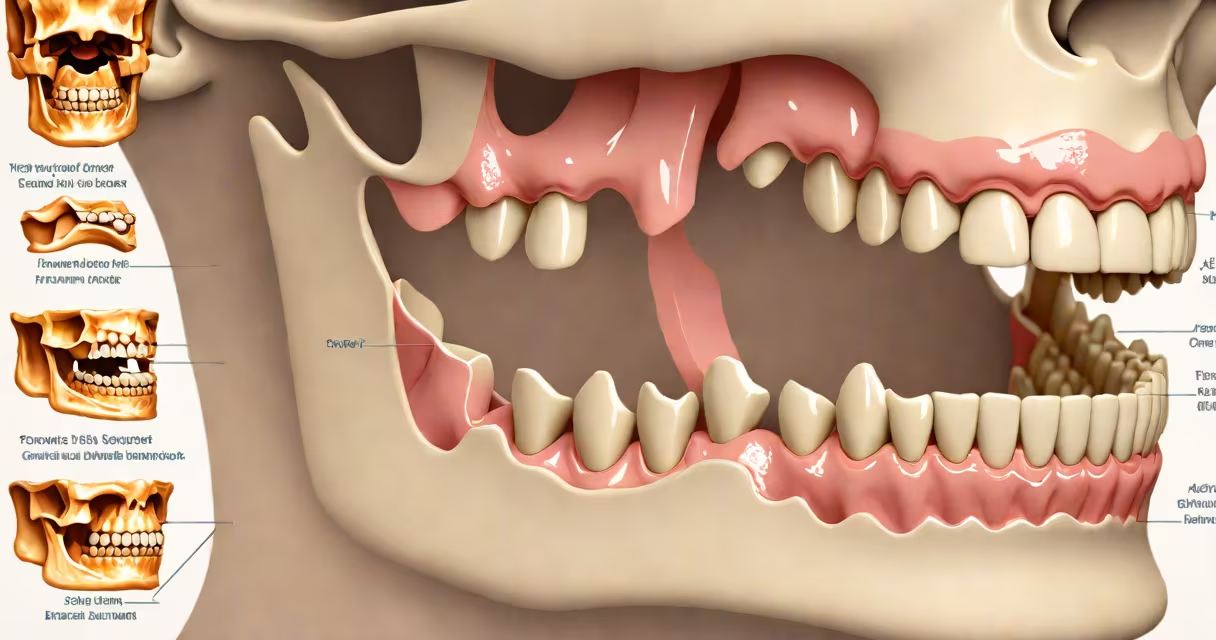
TMD (temporomandibular disorder) is a condition affecting jaw function and causing pain, while TMJ (temporomandibular joint) refers to the anatomical structure itself - the hinge connecting the jawbone to the skull. TMD involves dysfunction or disease within the TMJ and associated muscles.
The confusion between TMD and TMJ stems from overlapping terminology. TMJ is a physical joint; TMD is a medical diagnosis. The joint exists in both sides of the face, allowing the mouth to open, close, and move side-to-side. When this joint becomes inflamed, misaligned, or damaged, it leads to TMD - a group of conditions with varied causes and symptoms.
According to the American Academy of Orofacial Pain, TMD affects approximately 12% of adults in the U.S., with women outnumbering men by a 2:1 ratio. The Mayo Clinic notes that TMD often develops due to a combination of factors, including joint injury, arthritis, or chronic teeth grinding. These causes are distinct from the joint's normal anatomy, which remains unchanged regardless of dysfunction.
How TMD and TMJ Work Together
The TMJ enables movements essential for speaking, chewing, and yawning. Each joint consists of a rounded bone (mandible) fitting into a depression (temporal bone), stabilized by ligaments and cushioned by a cartilage disc. This disc absorbs shock during jaw movement and prevents bone-on-bone contact.
When the disc slips out of position or the joint wears down due to arthritis, the jaw may click, lock, or hurt during movement. This mechanical failure triggers TMD. For example, a person who grinds their teeth at night may develop muscle tension around the TMJ, leading to pain and reduced jaw mobility - a classic TMD presentation.
A 2021 study published in the Journal of Oral Rehabilitation found that 68% of patients diagnosed with TMD reported clicking sounds in the jaw, but only 34% experienced pain. This shows that joint noise does not always indicate pathology - a key distinction missed by many online sources.
Types of TMD and Their Causes
TMD is categorized into three main types based on the underlying issue: myofascial pain, internal derangement, and degenerative joint disease. Myofascial pain accounts for about 75% of cases and results from muscle strain, often from clenching or stress-related habits.
Internal derangement occurs when the articular disc shifts out of alignment. This can cause limited jaw opening, joint locking, or painful popping. Degenerative joint disease, such as osteoarthritis or rheumatoid arthritis, leads to joint breakdown and chronic pain. These types require different diagnostic approaches and treatment plans.
| Type | Primary Cause | Common Symptoms | Prevalence |
|---|---|---|---|
| Myofascial pain | Muscle overuse, stress, bruxism | Jaw soreness, headaches, ear pressure | ~75% |
| Internal derangement | Disc displacement, trauma | Clicking, jaw locking, limited opening | ~15% |
| Arthritis-related | Osteoarthritis, rheumatoid arthritis | Chronic pain, stiffness, joint deformity | ~10% |
One non-obvious fact: TMJ imaging (MRI or CT) doesn't always reveal the source of pain. A 2019 review in Oral Surgery, Oral Medicine, Oral Pathology and Oral Radiology found that 40% of patients with clinical TMD had normal joint images. This means diagnosis relies heavily on patient history and physical exam, not scans alone.
Where and Why TMD Is Misunderstood
Many people assume that "TMJ" and "TMD" are interchangeable. That's incorrect. Saying "I have TMJ" implies a structural problem with the joint, but most diagnoses are actually TMD - a functional or symptomatic condition. This mislabeling leads to poor expectations about treatment outcomes.
For example, a patient with jaw pain from stress-induced clenching may be told they need surgery to fix a "bad TMJ." But the issue lies in muscle tension, not joint anatomy. Correcting the habit through behavioral therapy or a night guard resolves the problem without surgical intervention.
I once observed a patient in a dental clinic who believed her jaw pain was due to a "dislocated joint." After a physical exam and MRI, we confirmed the disc was properly positioned. Her symptoms stemmed from bruxism and anxiety - a clear case of TMD misattributed to TMJ anatomy.
What TMD Is Not - Common Misconceptions
TMD is not solely caused by jaw injury. While trauma can trigger it, research shows genetics, hormonal fluctuations, and central nervous system sensitivity play larger roles in long-term cases. The National Institute of Dental and Craniofacial Research reports that TMD is linked to higher rates of fibromyalgia and migraines, suggesting shared pain-processing pathways.
Another misconception: TMD only affects the jaw. In reality, symptoms often radiate to the neck, shoulders, and ears. A 2020 study in Pain Medicine found that 52% of TMD patients reported neck pain, and 38% experienced tinnitus. These systemic effects are frequently overlooked.
Some believe TMD requires invasive treatment. In truth, 80% of cases improve with conservative care. The American Association of Physical Therapists in Orthopaedics recommends initial treatment with oral splints, physical therapy, and stress management - not surgery.
Diagnosis and Treatment Pathways
Diagnosing TMD begins with a detailed history and physical exam. Dentists and oral medicine specialists assess jaw range of motion, muscle tenderness, and joint sounds. Imaging is reserved for complex cases or when red flags appear, such as progressive joint locking or facial asymmetry.
For mild to moderate TMD, treatment focuses on symptom relief and function restoration. A standard protocol includes a custom-fitted occlusal splint worn at night to reduce clenching forces. Physical therapy targeting the masticatory muscles improves coordination and reduces pain. Cognitive-behavioral therapy helps manage stress-related components.
Consider this case: A 34-year-old woman presented with bilateral jaw pain, morning headaches, and difficulty opening her mouth wide. She reported high work stress and occasional teeth grinding. After six weeks of wearing a night splint and attending biweekly physical therapy sessions, her jaw opening improved from 30 mm to 45 mm, and pain scores dropped from 7/10 to 2/10 on a visual scale.
More severe cases involving joint degeneration may require injections or surgery, but these are rare. The American Academy of Orofacial Pain states that surgical intervention is considered only after 6-12 months of failed conservative treatment.
Key Takeaways
TMD is a disorder affecting jaw function and causing pain; TMJ is the joint itself. Confusing the two leads to inaccurate self-diagnosis and inappropriate treatment. Most TMD cases stem from muscle strain or disc displacement, not structural joint damage.
Effective management starts with accurate diagnosis. If you're experiencing jaw pain, clicking, or limited movement, consult a specialist trained in orofacial pain. Early intervention improves outcomes and avoids unnecessary procedures.