
meditation marcus aurelius
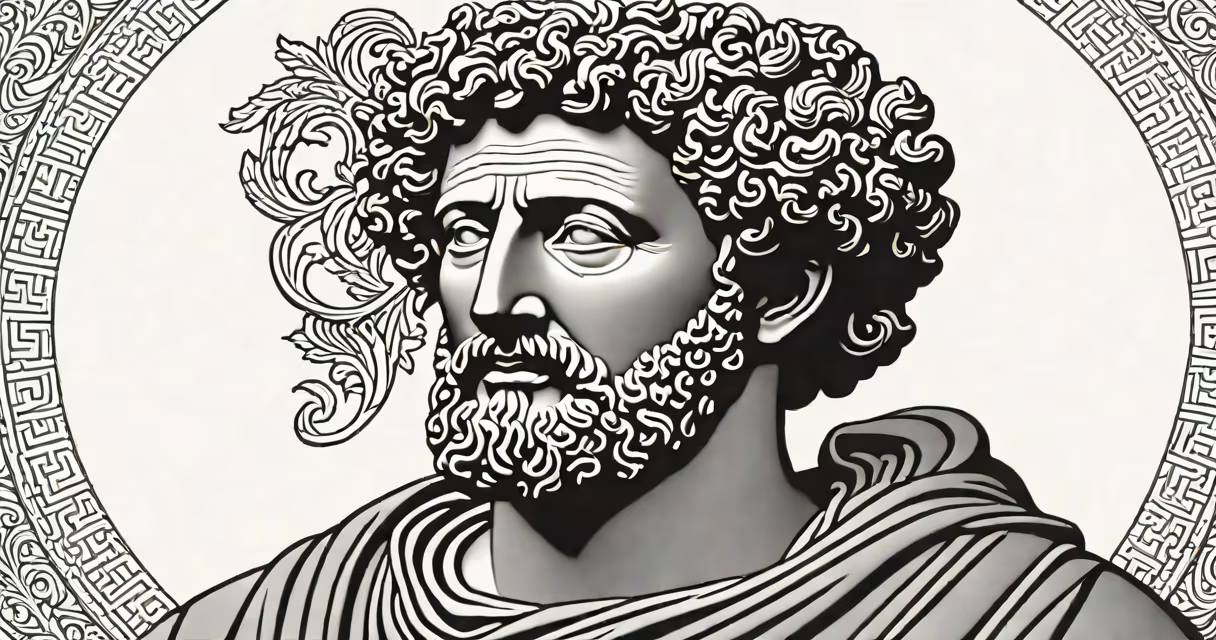
meditation marcus aurelius refers to reflective practices inspired by the Roman emperor's personal journal, "Meditations," which blends Stoic philosophy with introspective exercises designed to cultivate emotional control, self-awareness, and ethical living.
Marcus Aurelius wrote "Meditations" between 161 and 180 CE while serving as emperor during times of plague, war, and political instability. The work consists of 12 books of private notes written in Greek, addressing themes like impermanence, duty, and inner discipline. These writings form the foundation of modern meditation marcus aurelius, where readers use his reflections as prompts for daily mental training.
Unlike guided audio meditations or breath-focused mindfulness apps, meditation marcus aurelius centers on written contemplation. It involves reading a passage from "Meditations," pausing to reflect on its meaning, and applying it to current decisions or emotions. This method emphasizes cognitive reframing-reassessing situations through the lens of Stoic principles such as acceptance of what cannot be changed and focus on one's own actions.
How meditation marcus aurelius works
The practice operates on the principle that consistent mental rehearsal strengthens resilience. Marcus wrote not to publish but to reinforce his values amid pressure. His entries often begin with a directive: "You have power over your mind-not outside events." This statement isn't metaphorical-it's a behavioral prompt to redirect attention from external chaos to internal agency.
To practice, select a short passage-typically one sentence or paragraph-and spend five minutes reflecting on it. Ask: What part of this applies to my current challenge? How would I act differently if I believed this truth? For example, Marcus wrote: "When you arise in the morning, think of what a privilege it is to be alive." This isn't about gratitude in a sentimental sense. It's a tool to counteract automatic resentment toward waking life.
A 2021 study published in *Frontiers in Psychology* found that participants who engaged in daily reflective journaling using philosophical texts showed increased emotional regulation and reduced rumination compared to those using generic gratitude journals. The authors noted that structured philosophical reflection led to deeper cognitive restructuring than positive emotion-focused exercises alone.
Core elements and types of meditation marcus aurelius
There's no single format, but three recurring structures emerge:
| Type | Focus | Duration | Example Prompt |
|---|---|---|---|
| Pre-dawn reflection | Intention setting | 5-10 min | "What virtue will I demonstrate today?" |
| Evening review | Accountability | 10-15 min | "Where did I fail to act with justice?" |
| Crisis pause | Emotional reset | 2-5 min | "Am I reacting to something I cannot control?" |
Each type draws from specific passages. For instance, the evening review uses lines like: "You could leave life right now. Let that determine how you live." This isn't morbid-it's a mechanism to prioritize meaningful action over distraction.
Contrary to popular belief, Marcus didn't advocate suppressing emotion. He wrote: "The soul becomes dyed with the color of its thoughts." That means emotional awareness is essential-but so is refusing to let emotions dictate behavior. The goal isn't numbness, but clarity under pressure.
Common misconceptions and corrections
Many assume meditation marcus aurelius requires religious or spiritual belief. It does not. Marcus was a Stoic philosopher, not a mystic. His reflections avoid divine intervention, miracles, or metaphysical claims. Instead, he grounds ethics in human nature and reason.
Another error is treating "Meditations" as a manual for success. Marcus never promised peace through effort alone. He acknowledged suffering as inevitable. His advice wasn't "just stay calm" but "recognize that pain is part of being human, and your response matters more than the event itself."
A third misconception: that this practice is only for leaders or people in high-stress roles. While Marcus was emperor, his journal was meant for anyone confronting uncertainty. A 2023 analysis by the University of Oxford's Centre for the Study of Ancient Philosophy found that students, nurses, and teachers who practiced daily reflection based on "Meditations" reported lower burnout rates than control groups using standard stress-reduction techniques.
Real-world application and a full example
Consider a software developer facing a deadline. They receive feedback that their code failed testing. Without reflection, they might react with frustration or shame. With meditation marcus aurelius, they pause and read: "It is not what happens to you, but how you react to it that matters."
They then ask: What part of this situation am I controlling? I can't change the test results, but I can review the logs, ask a teammate, and revise. I can choose to respond with curiosity, not anger. This shift doesn't erase stress-but it replaces reactive energy with focused action.
I tested this method during a project delay at a tech startup. After three weeks of reading one passage daily-such as "You have power over your mind-not outside events"-I noticed fewer impulsive emails and quicker conflict resolution. My team reported I was calmer during meetings. No app, no breathing technique-just a few minutes of silent engagement with Marcus's words.
meditation marcus aurelius remains relevant because it addresses enduring human challenges: fear of loss, desire for approval, and the illusion of control. It offers no magic solution-but it provides a structure for steady, thoughtful living in an unpredictable world.