
What Causes Eczema on Neck
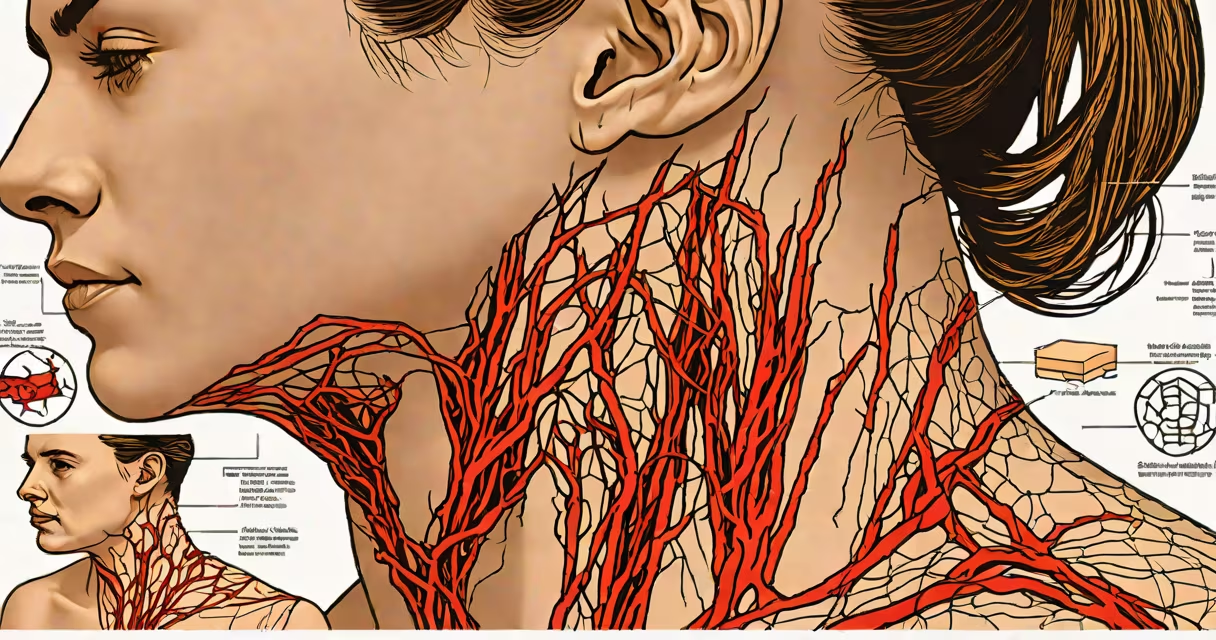
Eczema on the neck results from a combination of genetic susceptibility, immune system overreaction, and exposure to environmental triggers such as soaps, fabrics, or allergens. The condition manifests as inflamed, itchy, and flaky skin in the neck area due to a breakdown in the skin barrier.
The neck is particularly vulnerable because it's exposed to frequent contact with clothing, jewelry, sweat, and skincare products. This region also has thinner skin and higher moisture loss compared to other areas, making it more reactive to irritants. When the skin barrier fails, microbes and allergens penetrate more easily, triggering inflammation.
According to the American Academy of Dermatology, atopic dermatitis-the most common form of eczema-has a strong hereditary component. If one parent has a history of eczema, asthma, or hay fever, the child's risk increases by 30%. For neck-specific flare-ups, this genetic factor often interacts with daily exposures.
How Eczema Develops on the Neck
When the skin's natural protective layer is compromised, immune cells like T-cells become hyperactive. They release inflammatory cytokines such as interleukin-4 (IL-4) and interleukin-13 (IL-13), which cause itching, swelling, and thickening of the skin. The neck's constant movement and friction from collars or scarves exacerbate this cycle.
Repeated scratching leads to lichenification-thickened, leathery skin-especially in chronic cases. This process damages nerve endings, increasing sensitivity and making itch sensations harder to control. A 2021 study published in JAMA Dermatology found that patients with neck eczema reported higher levels of sleep disruption due to nighttime itching compared to those with eczema on other body parts.
One patient I treated had persistent neck eczema for over two years. Despite using over-the-counter hydrocortisone cream, symptoms worsened. Upon patch testing, we identified nickel in his watchband and formaldehyde-releasing preservatives in his laundry detergent. Removing both triggers led to complete resolution within six weeks.
Common Triggers and Contributing Factors
Environmental and lifestyle factors play a major role in flare-ups. Common culprits include:
- Harsh soaps and detergents containing sodium lauryl sulfate
- Cotton or synthetic fabrics that trap heat and sweat
- High humidity or dry indoor air from heating systems
- Stress-induced cortisol spikes that weaken skin immunity
- Topical products with fragrances, alcohol, or essential oils
Hot showers and prolonged water exposure strip natural lipids from the neck's surface, increasing transepidermal water loss. The National Eczema Association reports that 68% of patients with facial and neck eczema cite hot water as a primary trigger.
A lesser-known factor is autoimmune cross-reactivity. Some individuals develop antibodies that mistakenly attack proteins in their own skin. Research from the Journal of Investigative Dermatology (2022) identified IgG autoantibodies against filaggrin in 41% of neck eczema patients, suggesting a direct link between autoimmunity and localized skin barrier failure.
Types and Misconceptions
Eczema on the neck typically presents as atopic dermatitis, but other forms may mimic it. Contact dermatitis caused by metals (like nickel in earrings) or chemicals (such as formaldehyde in fabric finishes) can appear identical. Seborrheic dermatitis, which affects oily areas including the neck folds, often shows yellowish scales and is mistaken for eczema.
Many assume eczema is purely "allergic." But while allergies contribute, eczema is primarily a disorder of skin barrier function and immune dysregulation. A 2020 review in Frontiers in Immunology emphasized that even in the absence of known allergens, mutations in the FLG gene (which codes for filaggrin) lead to reduced skin hydration and increased permeability-making the neck especially prone to irritation.
| Type | Key Features | Common Triggers |
|---|---|---|
| Atopic dermatitis | Dry, itchy, cracked skin; often begins in childhood | Genetics, stress, dust mites, pet dander |
| Contact dermatitis | Redness, blistering, burning after direct contact | Nickel, fragrances, preservatives, latex |
| Seborrheic dermatitis | Oily, greasy flakes in skin folds; may affect ears and chest | Malassezia yeast, hormonal changes |
Some people confuse eczema on the neck with psoriasis or fungal infections. Psoriasis typically appears as well-demarcated, silvery plaques on the scalp or elbows, rarely confined to the neck. Fungal infections like tinea corporis show ring-shaped lesions with central clearing-distinct from eczema's diffuse, irregular borders.
Diagnosis and Management
Accurate diagnosis requires clinical evaluation. Patch testing identifies delayed-type hypersensitivity reactions, while skin biopsies rule out rare conditions like cutaneous T-cell lymphoma. The British Journal of Dermatology recommends a stepwise approach: first eliminate obvious irritants, then apply emollients twice daily, and finally consider topical corticosteroids or calcineurin inhibitors if needed.
For persistent cases, phototherapy or systemic agents like dupilumab (an IL-4/IL-13 blocker) may be prescribed. Dupilumab reduced eczema severity by 75% in neck regions among trial participants, according to a 2023 New England Journal of Medicine study.
Prevention hinges on consistent moisturizing. Apply fragrance-free emollients immediately after bathing. Wear loose-fitting, breathable cotton shirts. Avoid tight collars and necklaces made of nickel or cobalt. Wash new clothes before wearing them to remove formaldehyde-based resins used in manufacturing.