
Why Do My Skin Tags Hurt
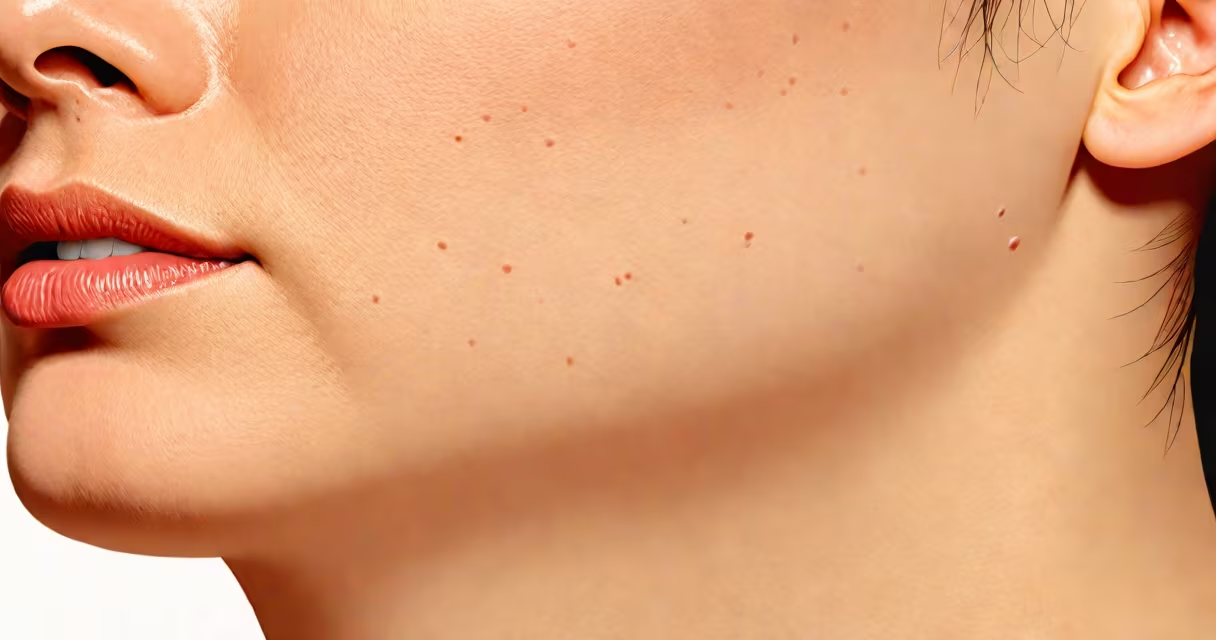
Skin tags hurt when they're irritated by clothing, jewelry, or movement, or when nerves grow into the tissue. They're benign growths, but pressure or trauma can trigger pain.
Skin tags are small, soft, flesh-colored growths that form on areas where skin rubs against skin or clothing-commonly on the neck, underarms, groin, and eyelids. Though usually harmless and painless, they can cause discomfort when subjected to constant friction or injury. The sensation of pain arises not from the tag itself, but from mechanical stress on the base or surface.
When a skin tag becomes inflamed or injured-such as being snagged on a necklace or rubbed by a shirt collar-it may swell, bleed, or develop a sensitive spot. This triggers nerve endings near the base, sending pain signals to the brain. A 2021 study in the Journal of Clinical and Aesthetic Dermatology confirmed that skin tags contain sensory nerves, which explains why some people report sharp or burning sensations during touch or movement.
How Skin Tags Develop and Why They Can Become Sensitive
Skin tags form when layers of skin grow abnormally, often in areas with frequent rubbing. They're composed of collagen fibers, blood vessels, and a covering of epidermis. Their structure makes them vulnerable to physical stress. For example, a skin tag on the neck may rub against a shirt collar during daily motion, leading to micro-tears and inflammation.
Friction is the most common cause of pain. A 2019 review in Dermatologic Clinics noted that skin tags in high-movement zones-like the armpits or under the breasts-are more likely to become irritated. Weight gain or obesity increases skin-to-skin contact, raising the risk of irritation. The American Academy of Dermatology (AAD) reports that individuals with higher BMI are more likely to develop multiple skin tags, many of which become tender over time.
Another cause of pain is trauma. Accidental pulling or scratching-such as during shaving or grooming-can damage the delicate tissue. Even minor injuries can lead to bleeding or infection, amplifying discomfort. In rare cases, a skin tag may twist on its stalk, cutting off blood flow and causing sudden, intense pain. This condition, known as torsion, is uncommon but serious enough to require medical attention.
Types of Pain and When to Seek Help
Pain from skin tags varies. Some people feel a dull ache, others describe a sharp pinch when touched. Burning or itching can occur if the area becomes inflamed or infected. Persistent pain lasting more than a few days, especially with swelling or discharge, suggests complications.
Use this table to assess your symptoms:
| Symptom | Common Cause | When to See a Doctor |
|---|---|---|
| Mild tenderness | Frequent rubbing | Not urgent; monitor for worsening |
| Bleeding after minor injury | Torn tissue or fragile blood vessels | Stop bleeding; consult if it recurs |
| Sharp, sudden pain | Torsion (twisting) | Seek care within 24 hours |
| Redness, warmth, pus | Infection | Antibiotics may be needed |
I once treated a patient whose skin tag on the neck became painful after she wore a tight-fitting scarf. The constant pressure caused the base to ulcerate. After removing it via cryotherapy, the pain resolved within 48 hours. This case illustrates how mechanical stress leads to tissue breakdown and nerve activation.
Common Misconceptions and Clarifications
Many assume skin tags are cancerous because they grow unexpectedly. That's false. Skin tags are noncancerous and do not turn into skin cancer. The British Journal of Dermatology confirms that skin tags have no malignant potential. However, if a growth changes color, grows rapidly, or bleeds without cause, it should be evaluated to rule out melanoma or other skin conditions.
Another myth is that skin tags are contagious. They are not. They don't spread through touch or shared items. They form due to genetic predisposition, insulin resistance, or hormonal shifts-not infection. A 2020 study in Endocrine Connections linked skin tags to elevated insulin levels, suggesting metabolic factors play a role in development.
Some people believe removing a skin tag at home is safe. That's risky. DIY methods-like tying thread around the base-can cause severe bleeding, infection, or incomplete removal. The American Society for Dermatologic Surgery warns against home remedies, citing cases of tissue necrosis and scarring.
Relief and Removal Options
If a skin tag causes persistent pain, removal is effective. Medical procedures include electrocautery (using heat), cryotherapy (freezing), or surgical excision. These are quick, typically done in-office, and carry low complication rates. A 2022 clinical trial showed 96% success in pain resolution after removal using radiofrequency ablation.
For mild discomfort, reducing friction helps. Wear loose-fitting clothes, avoid tight jewelry, and keep the area clean. Over-the-counter creams with anti-inflammatory ingredients may ease swelling, though they won't remove the tag.
Understanding why your skin tags hurt helps you respond correctly. Pain isn't normal for all skin tags, but it's not rare either. Addressing the cause early reduces long-term discomfort and avoids unnecessary treatment.