
What Causes Pinworms in Humans
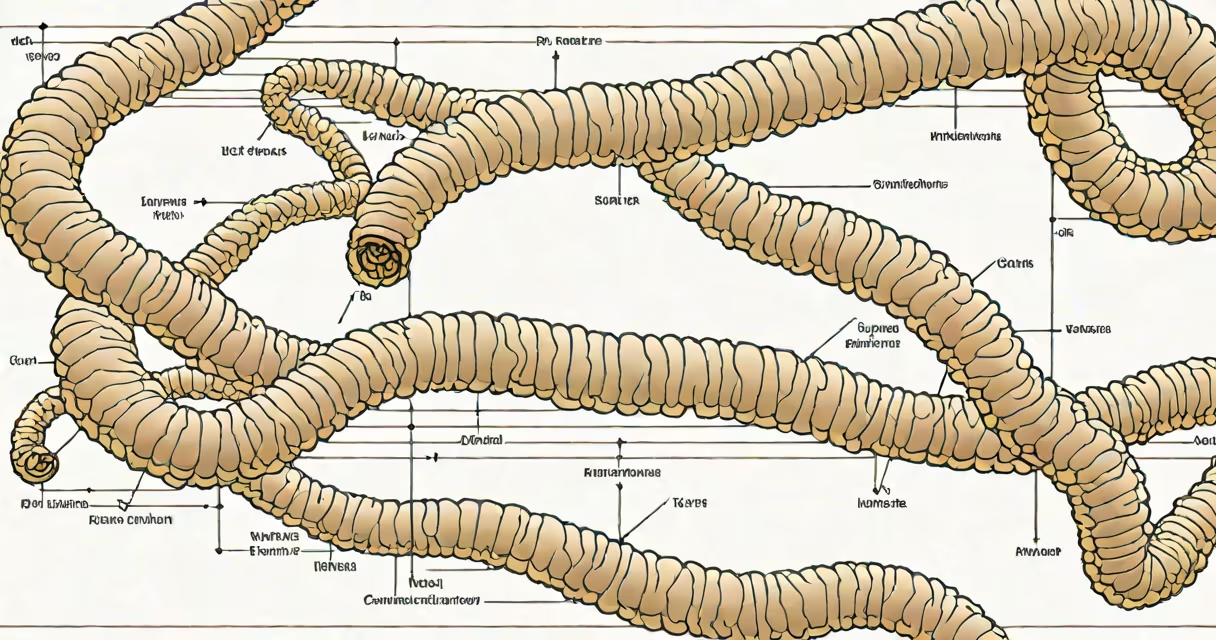
Pinworms in humans are caused by ingesting eggs of the parasite Enterobius vermicularis, which then hatch and mature in the intestines. The infection, known as enterobiasis, spreads easily in environments with close personal contact, poor hygiene, or shared living spaces.
Enterobius vermicularis is a small, thread-like worm that measures about 10 mm in length. Female worms lay eggs around the anus at night, causing intense itching. Scratching transfers eggs to fingers, clothing, bedding, or surfaces. Ingestion of these eggs-often via hand-to-mouth contact-leads to reinfection or spread to others.
Transmission occurs primarily through direct contact with infected individuals or contaminated objects. Children in daycare centers, schools, or households are especially vulnerable due to frequent hand-to-mouth behavior and shared play areas. Eggs survive for up to three weeks on dry surfaces like bedding, toys, or bathroom fixtures.
How Pinworms Enter and Develop in the Body
After ingestion, pinworm eggs hatch in the small intestine. Larvae migrate to the large intestine, where they mature into adult worms within 2-4 weeks. Females move to the anal area at night to lay eggs, triggering intense itching. This cycle perpetuates infection unless interrupted by treatment or improved hygiene.
The life cycle is entirely internal once eggs are swallowed. No intermediate hosts are involved. Unlike other intestinal parasites such as roundworms or tapeworms, pinworms do not require animal vectors or environmental stages outside the human body.
A single female can lay up to 11,000 eggs during her lifespan. These eggs are microscopic-about 50 micrometers in diameter-and invisible to the naked eye. Their resilience allows them to survive in dry conditions, making eradication difficult without consistent cleaning and hygiene practices.
Types and Forms of Pinworm Transmission
Pinworm infections are not classified by type but by mode of transmission. The primary routes are:
- Fecal-oral route: Ingestion of eggs from contaminated hands, food, or water.
- Indirect contact: Touching surfaces like bed linens, toilet seats, or toys previously touched by an infected person.
- Aerosolization: Eggs can become airborne when shaking contaminated bedding or clothing, leading to inhalation and subsequent swallowing.
Studies show that household transmission rates exceed 60% when one family member is infected. A 2019 study published in Parasites & Vectors found that children aged 5-10 had the highest prevalence, with infection rates reaching 15% in school populations in urban settings.
| Transmission Route | Common Settings | Prevention Strategy |
|---|---|---|
| Fecal-oral | Daycare centers, homes, schools | Handwashing with soap after using the toilet |
| Indirect contact | Bathrooms, shared bedrooms, playgrounds | Daily laundering of bedding and towels |
| Aerosolized eggs | Shaking blankets, folding clothes | Wearing gloves when handling dirty laundry |
Common Misconceptions and Confusions
Pinworms are often mistaken for other intestinal parasites. They are not related to tapeworms, hookworms, or giardia. Unlike those organisms, pinworms do not invade tissues or cause systemic illness. Symptoms are limited to localized irritation and sleep disruption.
Many assume pinworms come from pets. This is incorrect. Enterobius vermicularis infects only humans. Animals cannot carry or transmit the parasite. However, pets can harbor other intestinal worms like Toxocara, which may cause different symptoms and require separate diagnosis.
Another misconception is that pinworms are a sign of poor hygiene. While hygiene reduces risk, infection is common even in clean households. A 2021 review in Clinical Infectious Diseases noted that pinworm prevalence remains high globally, affecting up to 20% of children in some regions regardless of socioeconomic status.
Real-World Example: Outbreak in a Daycare Center
In 2022, a daycare in Portland reported five cases of pinworm infection within two weeks. All affected children were between ages 3 and 4. Initial symptoms included nighttime scratching and mild abdominal discomfort. Parents reported no prior history of illness.
Testing confirmed Enterobius vermicularis eggs in stool samples. Investigation revealed that a child had scratched the anal area during nap time and touched shared toys. Eggs adhered to plastic blocks and were later handled by other children. The center implemented daily handwashing checks and cleaned all toys with disinfectant wipes.
After two rounds of treatment with mebendazole and strict hygiene protocols, no new cases emerged over the following month. This case illustrates how easily pinworms spread in group settings-even with routine cleaning-due to the resilience of eggs and children's habits.
Personal Observation: Treating a Family Infection
I once treated a family of four-two parents and two children-after the youngest developed persistent anal itching. Despite regular showers and clean laundry, the child continued to scratch. A doctor confirmed pinworms via the "tape test," where adhesive tape is pressed against the anal area and examined under a microscope.
All family members were prescribed a single dose of albendazole. We washed all bedding in hot water, vacuumed carpets, and disinfected bathrooms. Within three weeks, symptoms resolved. The key insight was that reinfection occurred because the older child had not changed socks after touching a contaminated door handle.
Key Distinction: Pinworms vs. Other Parasites
Pinworms differ from other intestinal parasites in their lifecycle and impact. While hookworms penetrate skin and cause anemia, and tapeworms can grow to several meters long, pinworms remain small and confined to the lower intestine. They do not cause malnutrition or organ damage.
Unlike malaria or toxoplasmosis, which involve complex life cycles across multiple hosts, pinworms have a direct human-to-human transmission path. There is no environmental reservoir or vector. This makes control focused on breaking the cycle of egg transfer rather than eliminating a habitat or host species.
Research confirms that pinworms are among the most common parasitic infections worldwide. The World Health Organization estimates over 200 million people are infected annually, mostly children. Yet, due to mild symptoms and low mortality, it is rarely prioritized in global health programs.
Final Note: What Causes Pinworms in Humans?
What causes pinworms in humans is the ingestion of Enterobius vermicularis eggs, typically through hand-to-mouth contact with contaminated surfaces or objects. The infection spreads rapidly in close-contact environments and persists due to the durability of the eggs. Effective treatment requires both medication and strict hygiene to prevent reinfection.