
show me what scabies look like
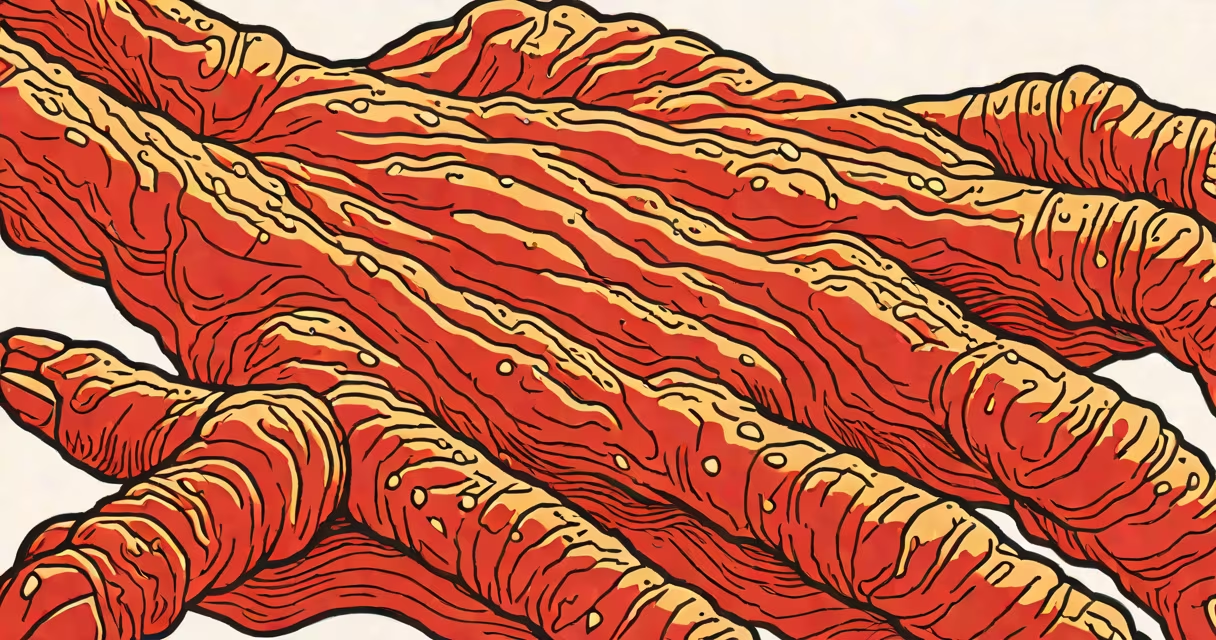
Scabies is a contagious skin infestation caused by the microscopic mite Sarcoptes scabiei, which burrows into the outer layer of human skin, causing intense itching and a distinctive rash. The most common signs include small red bumps, blisters, or raised lines-especially between fingers, on wrists, elbows, and around the waist-and persistent nighttime itching.
The mites lay eggs beneath the skin's surface, triggering an allergic reaction that leads to inflammation and rash formation. Scabies does not involve lice or fungi-it is solely due to mite activity. Infestations spread through prolonged skin-to-skin contact, such as during close physical contact in households, schools, or care facilities. A single female mite can create up to 100 burrows in her lifetime, though they're rarely visible without magnification.
Common areas affected include the web spaces between fingers, the inner wrists, the belt line, the groin, and the genital area. In infants and young children, the scalp, palms, and soles may also be involved. The rash often appears as tiny red papules or vesicles, sometimes forming crusted patches in severe cases (known as crusted scabies).
How scabies appears on the skin
Scabies manifests in several recognizable forms. The most characteristic sign is the linear burrow-a thin, wavy track about 1-10 mm long, usually less than 1 mm wide, with a tiny black dot at one end (the mite itself). These burrows are typically found between fingers, on the wrist, or near the base of the thumb. They appear as slightly raised, grayish-white lines with a small red bump at the end.
When the immune system reacts to mite feces and dead mites, it causes a papular eruption-small, firm, red bumps that cluster in groups. These often appear in flexural areas (like the inner elbow or behind the knee) and can become excoriated from scratching. In chronic cases, thickened, leathery skin develops due to repeated trauma.
Nodules are another form. These are firm, round, intensely itchy bumps that persist for weeks after treatment. They are most common in the genital region, armpits, and groin. Nodules do not contain mites-they result from an ongoing immune response and may require additional therapy.
Types and variations of scabies lesions
Not all scabies presentations are the same. The severity and appearance depend on whether the person is newly infected or has had prior exposure. In primary infestations (first-time infection), symptoms take 2-6 weeks to develop. In secondary infestations (re-exposure), itching begins within 1-4 days due to sensitized immune response.
| Type | Appearance | Location | Notes |
|---|---|---|---|
| Linear burrows | Thin, wavy, grayish lines with a dark dot at one end | Fingers, wrists, ankles | Most diagnostic sign; visible under magnification |
| Papules and vesicles | Small red bumps or fluid-filled blisters | Flexures, buttocks, genitals | Often grouped; may crust from scratching |
| Scabetic nodules | Hard, round, pink-to-purple bumps | Genitals, armpits, neck | Can last months after mite clearance |
| Crusted (Norwegian) scabies | Thick, scaly, crusted skin with thousands of mites | Palms, soles, ears, nails | Highly infectious; seen in immunocompromised individuals |
Crusted scabies is rare but dangerous. It affects people with weakened immunity-such as those with HIV, cancer, or advanced age-and involves millions of mites. Skin becomes thickened, cracked, and covered in scales. This form spreads easily and requires isolation and aggressive treatment.
What scabies is commonly mistaken for
Scabies is frequently misdiagnosed because its rash resembles eczema, psoriasis, insect bites, or fungal infections. For example, the red, itchy bumps between fingers can look like contact dermatitis from soap or detergent. However, scabies lacks the symmetry seen in many rashes-it tends to affect both sides equally but shows distinct patterns.
A key differentiator is the location. Eczema often flares on the face, knees, or behind the ears. Scabies favors interdigital webs, axillae, and genital folds. Also, scabies itching worsens at night due to increased mite activity. This nocturnal pattern is rare in other skin conditions.
Another clue: scabies burrows are often missed unless examined with a magnifying lens or dermatoscope. A study published in JAMA Dermatology found that only 58% of primary care physicians correctly identified scabies burrows on initial inspection. Using a 10x magnifier and applying mineral oil to the skin improves detection.
Real-world example: identifying scabies in a clinical setting
In 2022, a 34-year-old woman presented with a six-week history of worsening itching on her hands and wrists. She reported no recent travel or new products. On exam, she had multiple short, serpentine lines between her fingers, each ending in a tiny red papule. One line had a visible black dot at the end.
After confirming the presence of burrows and ruling out fungal infection via potassium hydroxide (KOH) scraping, the diagnosis was scabies. She was treated with permethrin 5% cream applied from neck down, left on overnight, then washed off. All household contacts were treated simultaneously. Symptoms resolved within two weeks.
This case illustrates that even experienced clinicians can miss scabies without careful inspection. The presence of burrows-especially in typical locations-is the gold standard for diagnosis. A 2021 review in British Journal of Dermatology confirmed that visual confirmation of burrows increases diagnostic accuracy by 73% compared to symptom-based assessment alone.
What healing scabies looks like
After successful treatment, the rash fades gradually. Redness diminishes over 1-3 weeks. Scratching stops, and nodules shrink slowly. Itching may persist for up to four weeks due to lingering immune response-even after mites are gone. This is normal and does not indicate treatment failure.
For persistent nodules, corticosteroid creams may be prescribed. Healing skin may show temporary hyperpigmentation or mild scarring, especially in darker skin tones. Complete resolution takes 4-6 weeks in most cases.
Related conditions that resemble scabies
Some skin disorders mimic scabies. For example, prurigo nodularis causes hard, itchy nodules that resemble scabetic nodules. But prurigo nodules are not linked to mites and often occur in people with chronic itch or psychiatric conditions. Another condition, pityriasis rosea, features a "herald patch" followed by a generalized rash-but it lacks burrows and typically spares the hands and feet.
One lesser-known confusion is with demodicosis-infestation by Demodex mites. These mites live in hair follicles and are normally harmless. When present in high numbers, they can cause rosacea-like symptoms. But Demodex does not burrow into the epidermis like Sarcoptes scabiei, and their presence doesn't explain the linear tracks seen in scabies.
Scabies is not a hygiene issue. It thrives in crowded environments and spreads rapidly among close contacts. The World Health Organization (WHO) estimates that 300 million people worldwide have scabies annually, making it one of the most common parasitic skin diseases globally.