
why is dental hygiene so important
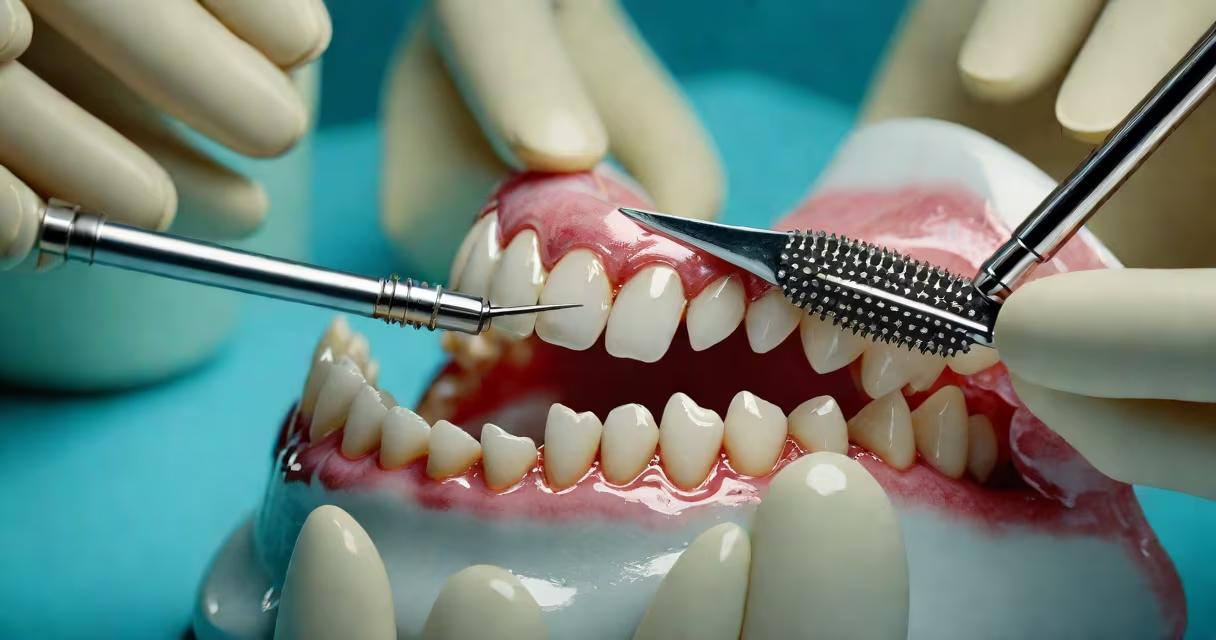
Dental hygiene is essential because it prevents tooth decay, gum disease, and systemic conditions like heart disease and diabetes that are linked to poor oral health. Daily brushing, flossing, and regular dental checkups reduce bacterial buildup and maintain the integrity of teeth and supporting tissues.
Oral bacteria feed on sugars and produce acid that erodes tooth enamel. Without consistent removal through brushing and flossing, this leads to cavities. The American Dental Association reports that nearly 90% of adults have had at least one cavity by age 40. Left untreated, decay progresses to infections, abscesses, and tooth loss.
Gum disease begins as gingivitis-red, swollen gums that bleed during brushing. If unaddressed, it advances to periodontitis, where the bone supporting teeth deteriorates. The Centers for Disease Control and Prevention (CDC) states that about half of U.S. adults aged 30 and older have some form of periodontal disease. This condition increases the risk of cardiovascular events due to inflammation spreading systemically.
How dental hygiene works
Effective dental hygiene removes plaque-a sticky film of bacteria that forms on teeth within 24 hours of brushing. Plaque hardens into tartar within days, which cannot be removed by brushing alone. Professional cleanings are required to eliminate tartar and prevent gum recession.
Brushing twice daily with fluoride toothpaste reduces acid exposure and strengthens enamel. Flossing disrupts plaque colonies between teeth, areas most toothbrushes cannot reach. Using a mouth rinse with antibacterial agents like chlorhexidine further suppresses harmful oral flora.
A 2021 study published in the Journal of Clinical Periodontology found that participants who brushed twice daily and flossed once daily had 40% fewer cavities and 55% lower incidence of periodontitis compared to those who skipped flossing.
Types of dental hygiene practices
There are three core components of effective dental hygiene:
| Practice | Frequency | Primary Benefit | Common Mistake |
|---|---|---|---|
| Brushing | Twice daily | Removes plaque, strengthens enamel | Using a hard-bristled brush or brushing too aggressively |
| Flossing | Once daily | Clears interdental spaces, prevents gum inflammation | Omitting it entirely or using improper technique |
| Professional cleaning | Every 6 months | Removes tartar, detects early signs of disease | Delaying visits until pain occurs |
Many people underestimate the role of flossing. A 2019 survey by the National Institutes of Health found that only 30% of Americans floss daily. Those who skip flossing are twice as likely to develop periodontal pockets-spaces between teeth and gums where infection thrives.
Where and why it's used
Dental hygiene is used in homes, clinics, schools, and workplaces. It's a foundational part of preventive healthcare. Routine care reduces long-term medical costs: the CDC estimates that every dollar spent on preventive dental services saves $5 in treatment expenses later.
Children benefit from early hygiene habits. The American Academy of Pediatric Dentistry recommends starting oral care even before teeth emerge-cleaning gums with a soft cloth after feeding. By age 2, children should brush under adult supervision with a pea-sized amount of fluoride toothpaste.
In institutional settings, such as nursing homes, poor oral hygiene correlates with higher rates of pneumonia. Aspiration of oral bacteria from the mouth into the lungs causes respiratory infections. A 2020 study in the journal Gerodontology showed that residents receiving daily oral care had a 37% lower incidence of pneumonia compared to those without structured hygiene routines.
Common misconceptions and corrections
Some believe that brushing harder cleans better. This is false. Aggressive brushing damages enamel and wears down gum tissue, leading to sensitivity and recession. The American Dental Association advises using gentle, circular motions rather than harsh back-and-forth strokes.
Another myth is that bleeding gums are normal. Bleeding indicates inflammation and is a sign of gingivitis. Ignoring it allows progression to periodontitis. A 2022 clinical review in Periodontology 2000 confirmed that persistent gum bleeding is not a minor issue-it signals active disease requiring intervention.
I once observed a patient in a community clinic who brushed his teeth four times a day but still developed severe gum recession. Upon examination, he was using a stiff toothbrush and applying excessive pressure. After switching to a soft-bristled brush and adjusting his technique, his gum health improved within six weeks.
Real-world impact and long-term outcomes
Consider the case of Maria, a 45-year-old office worker. She skipped flossing for years, relying only on brushing. Over time, she developed chronic bad breath and noticed her gums receding. A dental exam revealed deep periodontal pockets and early bone loss. After six months of consistent flossing, professional cleanings, and improved diet, her gum health stabilized, and pocket depths reduced by 2 mm.
Long-term, individuals with poor dental hygiene face higher risks of type 2 diabetes complications. A 2023 meta-analysis in Diabetes Care found that people with untreated periodontitis were 1.8 times more likely to experience poor glycemic control. The inflammation from infected gums interferes with insulin sensitivity.
Even cognitive decline is linked to oral health. Research from the University of California, San Diego, shows that individuals with fewer than 20 natural teeth have a 2.5 times greater risk of developing dementia over 10 years. While causation is not proven, the correlation suggests oral health plays a role in brain function.
Why is dental hygiene so important? Because it protects more than just your smile. It safeguards your heart, your brain, your blood sugar, and your ability to eat and speak comfortably throughout life. Maintaining oral health is not optional-it's a pillar of well-being.