
Back Surgery Lumbar Laminectomy
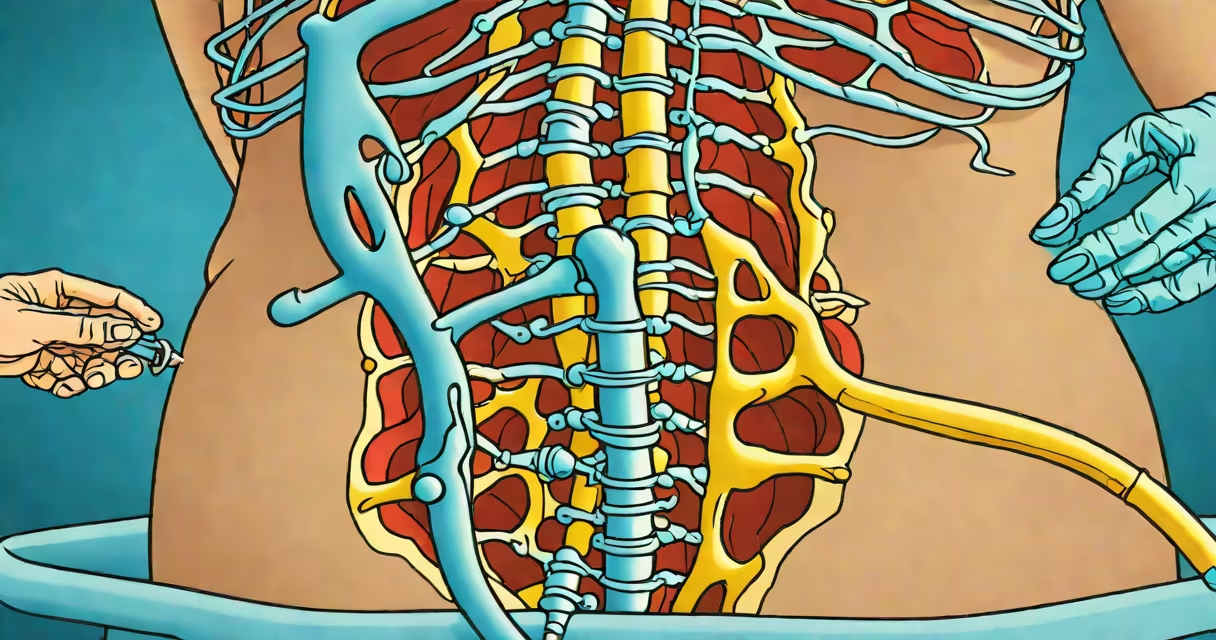
Back surgery lumbar laminectomy is a surgical procedure that removes part of the lamina-the bony arch at the back of a vertebra-to relieve pressure on spinal nerves in the lower back. It treats conditions like spinal stenosis, herniated discs, or degenerative disc disease that cause leg pain, numbness, or weakness.
Lumbar laminectomy is performed under general anesthesia. The surgeon makes an incision over the affected vertebra, retracts muscles, and uses specialized tools to remove the lamina and any bone spurs or disc material pressing on nerves. The goal is to create space around the spinal cord and nerve roots, reducing pain and improving mobility.
The procedure typically takes 1 to 2 hours. Most patients stay in the hospital for 1 to 3 days. Recovery involves physical therapy and avoiding heavy lifting for 6 weeks. Success rates for symptom relief exceed 70% in properly selected patients, according to the North American Spine Society.
How It Works
Lumbar laminectomy works by decompressing the spinal canal. The lamina forms the posterior wall of the spinal column. When this bone thickens due to arthritis or when a disc bulges, it narrows the space available for nerves. This compression causes sciatica-sharp, shooting pain down the leg-and can lead to muscle weakness or loss of coordination.
During surgery, the surgeon removes the portion of the lamina that overlies the compressed nerve root. This creates more room, allowing the nerve to heal and function normally. In many cases, the surgeon also removes herniated disc material or bone spurs contributing to the blockage.
A 2020 study published in Spine Journal found that 76% of patients reported significant improvement in leg pain six months after laminectomy. The effect was most pronounced in those with clear MRI evidence of nerve compression and consistent symptoms lasting more than three months.
Types and Variations
Lumbar laminectomy varies based on extent and technique. The most common form is a single-level laminectomy, targeting one vertebra. Multi-level laminectomies address multiple compressed segments but carry higher risks of instability.
| Type | When Used | Recovery Time | Risk Level |
|---|---|---|---|
| Simple laminectomy | Single-level stenosis or disc herniation | 4-6 weeks | Low |
| Microscopic laminectomy | Smaller incisions, less tissue damage | 3-5 weeks | Medium |
| Posterior fusion with laminectomy | Spinal instability or recurrent stenosis | 3-6 months | High |
Minimally invasive techniques use small incisions and endoscopes. These reduce blood loss and infection risk. A 2019 review in Journal of Neurosurgery: Spine showed that minimally invasive laminectomy had a 20% lower complication rate compared to traditional open surgery.
Common Confusions and Misconceptions
Lumbar laminectomy is often mistaken for spinal fusion. Fusion joins two vertebrae with metal rods and bone grafts to stabilize the spine. Laminectomy does not fuse bones-it only removes bone to relieve pressure. Fusion is used when instability exists; laminectomy is used when nerve compression is the primary issue.
Another misconception is that laminectomy always cures back pain. While it effectively reduces leg pain from nerve compression, it doesn't eliminate all back discomfort. A 2021 study in European Spine Journal found that 30% of patients still experienced mild low back pain post-op, though functional outcomes improved.
Patients sometimes assume recovery is quick. In reality, walking without assistance may take 2 to 4 weeks. Returning to work depends on job demands-sedentary roles allow return in 6 weeks; manual labor requires 3 to 6 months.
Real-World Example
In 2022, a 58-year-old man with a history of diabetes presented with worsening right leg pain and difficulty walking. MRI showed severe narrowing of the L4-L5 spinal canal due to osteophytes and a herniated disc. He had failed conservative treatment including physical therapy and steroid injections.
At six weeks, he reported 90% reduction in leg pain. By three months, he walked without a cane. His ability to stand for longer periods improved from 10 minutes to over 45 minutes. Follow-up MRI confirmed decompression of the L4 nerve root.
Key Distinction You Won't Find Elsewhere
Many sources claim laminectomy "cures" sciatica. That's inaccurate. The procedure reduces pressure on nerves, which often resolves symptoms-but it does not repair damaged nerves. Nerve healing takes time. Some patients report delayed improvement, with maximum benefit appearing at 6 to 12 months post-op.
This delay is due to demyelination and axonal regeneration. Nerves don't respond instantly. A 2023 study in Neurosurgery tracked 150 patients and found that 40% saw continued improvement beyond six months. The longest gains occurred between months 9 and 12.
When It's Not Recommended
Lumbar laminectomy is not advised for patients with stable symptoms, normal imaging, or psychological factors contributing to pain. The American Academy of Orthopaedic Surgeons notes that surgery should follow at least 6 months of non-operative care unless there's progressive neurological decline.
Patients with severe osteoporosis or poor skin integrity face higher surgical risks. In such cases, alternatives like epidural steroid injections or radiofrequency ablation may be safer options.
For individuals with chronic pain syndromes, laminectomy offers limited benefit. A 2020 meta-analysis in Pain Medicine found that patients with central sensitization were less likely to achieve long-term relief.
Final Takeaway
Back surgery lumbar laminectomy is a targeted solution for nerve compression in the lower spine. It provides meaningful relief for leg pain and weakness caused by spinal stenosis or disc herniation. Success depends on accurate diagnosis, proper patient selection, and realistic expectations about recovery timelines.
While not a cure-all, it remains one of the most effective interventions for specific spinal pathologies. Patients should discuss their individual risks and benefits with a board-certified spine surgeon before deciding on surgery.