
cause of pain in teeth
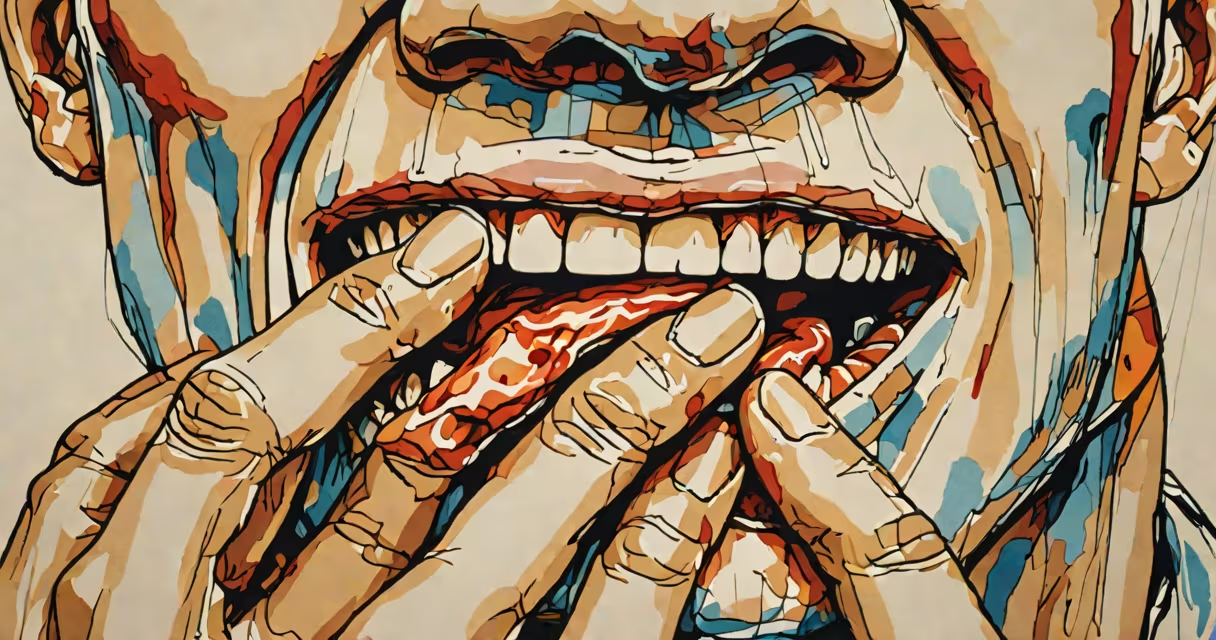
Tooth pain arises when nerves inside the tooth or surrounding tissues are irritated, inflamed, or damaged. Common triggers include cavities, gum disease, cracked teeth, or exposed roots. Pain may be sharp, throbbing, constant, or triggered by hot, cold, or sweet stimuli.
Tooth pain begins when pressure or inflammation affects the pulp-the soft tissue inside the tooth containing nerves and blood vessels. When bacteria erode enamel and dentin, they reach the pulp, causing infection or swelling. This leads to increased pressure within the tooth's sealed chamber, resulting in sharp, persistent pain. The American Dental Association confirms that untreated tooth decay is the leading cause of dental pain in adults.
Pain can also stem from issues outside the tooth itself. Gum recession exposes root surfaces, making them sensitive to temperature changes. A cracked tooth may cause sudden jolts of pain when biting down. Even sinus infections can mimic tooth pain, especially in upper molars near the sinuses. Identifying the actual source requires clinical evaluation.
How tooth pain develops
When a cavity forms, bacteria feed on sugars in food and produce acid that dissolves tooth structure. Once the decay reaches the dentin layer beneath enamel, sensitivity increases. If it progresses further into the pulp, inflammation occurs. The confined space of the pulp chamber cannot expand, so pressure builds and causes severe pain. This condition is known as pulpitis.
Referred pain is another factor. Pain from the jaw joint (temporomandibular joint, or TMJ) can radiate to teeth. A 2021 study published in Journal of Oral Rehabilitation found that nearly 30% of patients reporting tooth pain had no dental pathology-diagnosis was later confirmed as TMJ disorder. This highlights the importance of ruling out non-dental sources.
Another mechanism involves nerve compression. After a tooth is filled or crowned, temporary hypersensitivity can occur due to irritation of nerve endings. In rare cases, a nerve may be damaged during treatment, leading to chronic pain. Persistent pain after dental work should prompt follow-up care.
Types of pain and their likely causes
Not all tooth pain feels the same. The pattern helps identify the underlying issue:
| Pain Type | Common Cause | Trigger or Duration |
|---|---|---|
| Sharp, sudden pain | Cavity or cracked tooth | Occurs when biting down or eating something hard |
| Throbbing, constant ache | Infected pulp (pulpitis) | Worsens at night or when lying down |
| Sensitivity to heat/cold | Exposed root or enamel erosion | Vanishes quickly after stimulus removal |
| Dull ache in multiple teeth | Gum disease or sinus pressure | May last hours and improve with nasal decongestants |
For example, a 34-year-old patient reported a sharp pain when chewing on the left side. Clinical exam revealed a small crack in a molar. After a crown was placed, pain resolved within 48 hours. This illustrates how localized mechanical stress can trigger nerve response even without decay.
Common misconceptions and misdiagnoses
Many assume tooth pain always means a cavity. But gum disease-especially periodontitis-can cause pain without visible decay. Inflammation around the tooth root leads to bone loss and loose teeth. Early stages may show only bleeding gums, not pain. By the time pain appears, damage is often advanced.
Another error is attributing pain to wisdom teeth without evidence. While impacted wisdom teeth can cause pressure and swelling, they don't always cause pain. A 2020 review in Oral Surgery, Oral Medicine, Oral Pathology and Radiology found that only 15% of people with impacted third molars report symptoms. Many remain asymptomatic for years.
Some patients mistake temporomandibular joint (TMJ) disorders for dental issues. Symptoms like jaw clicking, limited mouth opening, and tooth grinding (bruxism) lead to referred pain in teeth. A 2019 study showed that 68% of patients with unexplained tooth pain had TMJ dysfunction upon referral. This underscores the need for multidisciplinary assessment.
When to seek professional care
Home remedies offer temporary relief but do not treat the root cause. Rinsing with warm salt water reduces inflammation. Over-the-counter painkillers like ibuprofen lower swelling and dull pain. However, these solutions mask symptoms rather than resolving them.
Seek immediate dental attention if pain lasts more than 48 hours, wakes you at night, or is accompanied by swelling, fever, or pus. These signs indicate infection that may spread. Untreated abscesses can lead to sepsis-a life-threatening condition.
I once treated a patient whose toothache lasted five days. He used clove oil and rinsed with baking soda. The pain worsened. Upon examination, we found a large abscess under a molar. Antibiotics and root canal therapy were required. The delay led to extended recovery time. This case shows why self-treatment risks worsening outcomes.
Prevention and long-term management
Preventing tooth pain starts with daily brushing with fluoride toothpaste and flossing. Limiting sugary foods and drinks reduces bacterial growth. Regular dental checkups every six months catch early decay before it causes pain.
For people prone to sensitivity, desensitizing toothpaste can reduce nerve exposure. These products contain potassium nitrate, which blocks nerve signals. Clinical trials show a 40% reduction in sensitivity after four weeks of use.
Finally, managing stress is critical. Clenching or grinding teeth at night (bruxism) wears down enamel and stresses joints. A custom night guard can prevent damage. If you wake with jaw soreness or headaches, consult a dentist or oral specialist.
Understanding the cause of pain in teeth enables faster, more accurate treatment. Ignoring pain delays healing and increases risk of tooth loss. Early intervention prevents minor issues from becoming emergencies. If you have ongoing discomfort, don't wait-see a dentist.