
What Is Kidney Nephritis
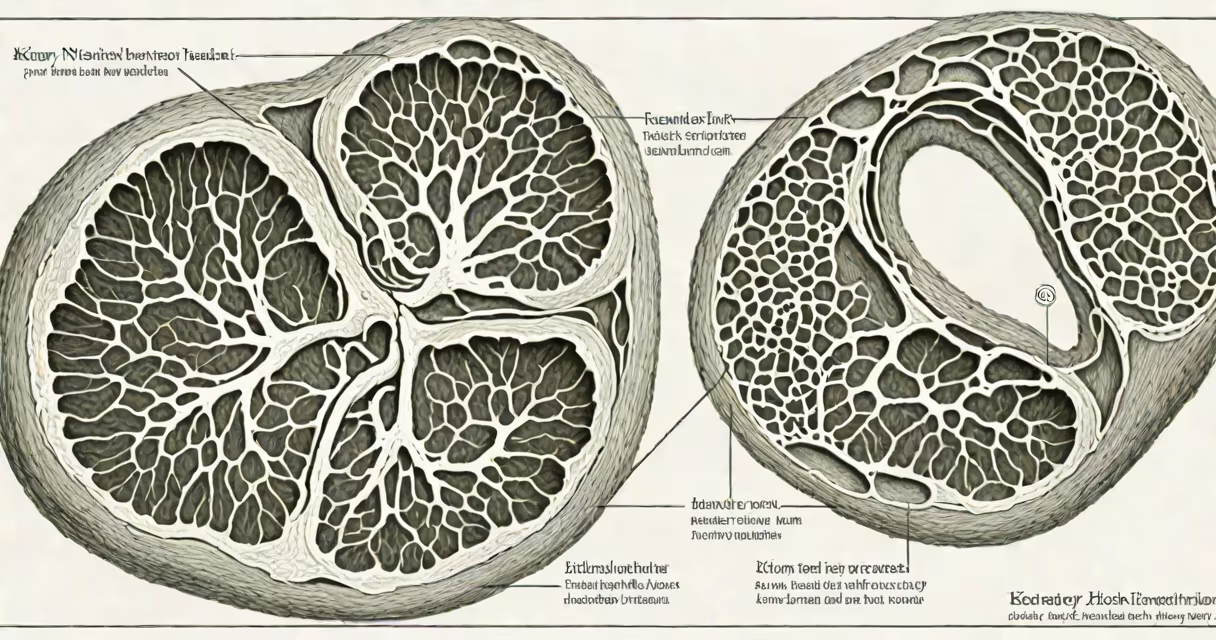
Kidney nephritis is inflammation of the kidney's filtering units, primarily the glomeruli. It disrupts waste removal and fluid balance, leading to protein loss in urine, blood in urine, swelling, and elevated blood pressure. This condition can develop suddenly (acute) or over time (chronic), with varying severity depending on cause and treatment.
Nephritis arises when immune activity damages kidney tissue. The most common form, glomerulonephritis, targets the tiny blood vessels inside the kidneys responsible for filtering waste. When inflamed, these structures leak proteins and red blood cells into the urine. Without intervention, scarring can occur, reducing kidney function permanently.
According to the National Institute of Diabetes and Digestive and Kidney Diseases (NIDDK), glomerulonephritis affects about 1 in 1,000 people annually in the U.S., with higher rates among children and young adults. Early detection through urinalysis and blood tests improves outcomes.
How Kidney Nephritis Works
The kidneys filter about 150 quarts of blood daily, removing waste and excess fluid. Glomeruli-tiny clusters of capillaries-act as sieves. In nephritis, immune complexes or antibodies attack these filters, triggering inflammation and structural damage.
When glomeruli swell, they allow proteins like albumin and red blood cells to pass into urine. This results in proteinuria (excess protein in urine) and hematuria (blood in urine). These signs often appear before symptoms emerge, making routine screening essential.
A 2021 study published in Journal of the American Society of Nephrology found that 68% of patients with acute glomerulonephritis had elevated serum creatinine levels within one week of symptom onset, indicating impaired filtration capacity.
Types and Causes of Kidney Nephritis
Doctors classify nephritis based on duration, location, and underlying cause. The main categories include:
| Type | Onset | Common Triggers | Typical Symptoms |
|---|---|---|---|
| Acute glomerulonephritis | Sudden (days to weeks) | Strep infection, lupus, vasculitis | Frothy urine, facial swelling, dark urine |
| Chronic glomerulonephritis | Slow progression (months to years) | Autoimmune disorders, untreated acute cases | Gradual fatigue, mild swelling, persistent high blood pressure |
| Post-streptococcal glomerulonephritis | 1-2 weeks after strep throat or skin infection | Group A beta-hemolytic strep bacteria | Reddish urine, puffiness around eyes, reduced urine output |
Post-streptococcal nephritis typically resolves in weeks without lasting harm. However, if untreated, it may progress to chronic kidney disease. The Mayo Clinic reports that approximately 10% of post-streptococcal cases develop persistent proteinuria beyond six months.
Autoimmune conditions such as systemic lupus erythematosus (SLE) cause lupus nephritis, which accounts for 20-30% of new cases of glomerulonephritis in adults under 40. Untreated lupus nephritis leads to end-stage renal disease in up to 30% of patients within 10 years.
Where and Why It's Used in Medical Practice
Kidney nephritis is diagnosed through a combination of clinical evaluation, lab tests, and imaging. Urinalysis detects red blood cell casts-ring-shaped clumps of cells and proteins that indicate glomerular injury. Blood tests measure creatinine and urea nitrogen levels to assess kidney function.
Definitive diagnosis requires a kidney biopsy. A 2020 review in NEJM emphasized that biopsy findings guide treatment decisions, especially in distinguishing between minimal change disease, membranous nephropathy, and IgA nephropathy-each requiring different therapies.
For example, a 34-year-old woman presented with facial swelling and dark urine. Urinalysis revealed red blood cell casts and 3+ proteinuria. Serum creatinine was 1.8 mg/dL (normal: 0.6-1.2). A kidney biopsy confirmed IgA nephropathy. She began corticosteroids and angiotensin receptor blockers, stabilizing her kidney function over six months.
Common Misconceptions and Key Distinctions
Many confuse nephritis with pyelonephritis-a urinary tract infection involving the kidney's collecting system. Pyelonephritis causes fever, flank pain, and cloudy urine. Nephritis rarely presents with fever and usually lacks severe pain. Distinguishing them avoids unnecessary antibiotics.
Another misconception is that all blood in urine means kidney disease. Hematuria can stem from bladder infections, stones, or vigorous exercise. However, when accompanied by proteinuria and hypertension, it strongly suggests glomerular involvement.
Nephritis is not always symptomatic. Up to 40% of early cases show no noticeable symptoms. A 2019 study in Annals of Internal Medicine found that 28% of patients with microscopic hematuria and mild proteinuria were unaware of their condition until routine screening detected abnormal kidney function.
I once reviewed a case where a 22-year-old man had normal blood pressure and no swelling. Routine college physical revealed trace protein and red blood cells in his urine. Further testing confirmed early-stage focal segmental glomerulosclerosis. He began medication and avoided progression to dialysis.
Key Takeaway
What is kidney nephritis? It is inflammation of the kidney's filtering units, most often due to immune-mediated damage. Left undiagnosed, it can lead to irreversible kidney failure. Early detection through urinalysis and blood work is critical. Understanding the difference between nephritis and other kidney conditions ensures accurate treatment.