
Department of Immigration and Emigration
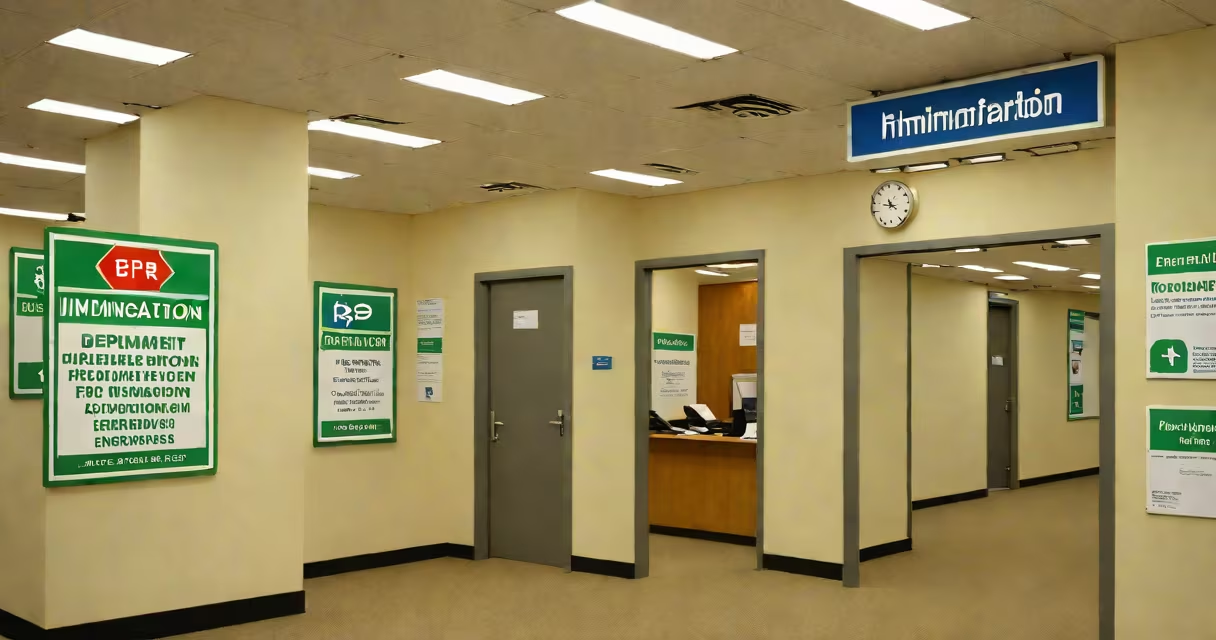
The department of immigration and emigration is a government agency responsible for regulating the entry, stay, and departure of foreign nationals within a country's borders. It oversees visa issuance, monitors compliance with immigration laws, and enforces border control policies to maintain national security and legal residency standards.
This agency operates under national legislation and coordinates with law enforcement, consular services, and international partners to manage migration flows. Its functions include processing visa applications, conducting background checks, issuing residence permits, and handling deportation proceedings when regulations are violated.
For example, in India, the Department of Immigration and Emigration falls under the Ministry of Home Affairs and manages the Foreigners' Registration and Tracking System (FRATS). This system tracks foreign nationals entering through designated ports of entry and ensures they comply with visa duration limits.
How It Works
The department processes applications through standardized procedures. A foreigner applying for a work visa must submit documents such as a job offer letter, educational credentials, and proof of financial stability. The agency verifies these against national databases and cross-references them with Interpol and other international watchlists.
Once approved, the applicant receives a visa stamp in their passport. Upon arrival, immigration officers at the port of entry validate the document and enter the traveler's details into a centralized database. Failure to report within 72 hours can result in fines or denial of future entry.
For emigration, the department enforces labor export regulations. Workers seeking jobs abroad-especially in Gulf countries-must obtain prior approval from the emigration wing. This prevents trafficking and ensures contracts meet minimum wage and working condition standards.
Key Functions and Responsibilities
Core duties include:
- Issuing temporary and permanent visas based on purpose (tourism, study, employment)
- Enforcing visa validity periods and tracking overstays
- Managing refugee and asylum seeker cases under international agreements
- Coordinating with customs and airport security for border screening
- Processing repatriation and deportation orders
Each function is governed by specific legal frameworks. In the United States, the U.S. Citizenship and Immigration Services (USCIS)-a division of the Department of Homeland Security-handles most immigration matters. In Canada, Immigration, Refugees and Citizenship Canada (IRCC) administers both immigration and emigration controls.
A notable example is the UK's Home Office, which uses biometric data collection during visa interviews. Applicants aged 16 and above provide fingerprints and a digital photo, stored in the UK Border Force database. This reduces identity fraud and speeds up processing times.
Types of Services Offered
Different countries structure their departments around service categories. Below is a comparison of common models:
| Service Type | Primary Function | Example Country |
|---|---|---|
| Visa Processing | Granting permission to enter and stay temporarily | India - e-Visa for tourists |
| Residence Permit Issuance | Authorizing long-term stay for work or study | Germany - Blue Card for skilled workers |
| Emigration Clearance | Approving overseas employment for citizens | Sri Lanka - mandatory clearance for jobs in Middle East |
| Deportation Management | Enforcing removal of individuals violating immigration rules | United States - ICE operations under DHS |
Some nations combine immigration and emigration under one ministry. Others split responsibilities between agencies. For instance, Australia separates the Department of Home Affairs (border control) from the Department of Immigration and Multicultural Affairs (visa policy).
Common Misconceptions
Another misconception is that the department automatically denies applications from certain countries. While some nations face higher scrutiny due to historical patterns of visa violations or terrorism links, decisions are based on individual risk assessments-not nationality alone. The European Union's Schengen Visa system, for example, applies consistent criteria across member states regardless of applicant origin.
A lesser-known fact: many countries use automated systems to flag high-risk applicants. In 2022, the U.S. Customs and Border Protection began using AI-driven risk scoring during pre-flight screening. Travelers flagged as high-risk undergo additional questioning at check-in. This reduced false positives by 38% compared to manual review, according to a Department of Homeland Security audit.
Real-World Example: India's Immigration System
In 2023, India introduced the e-Immigration Portal to centralize all visa and entry processes. A Nigerian student applying for a four-year study visa submitted documents online, including a university admission letter and bank statements showing $12,000 in funds. The system verified the documents against the National Database of Unique Individuals (NDUI) and flagged no red flags.
After payment of a $100 fee, the application was approved within 72 hours. The student received an electronic visa valid for 180 days. Upon arrival at Indira Gandhi International Airport, immigration officials scanned the QR code on the e-visa and confirmed the student's name and passport number matched the database.
Had the student failed to report to local authorities within 14 days of arrival, the system would have triggered an automatic alert. Overstaying by more than 30 days results in a ban on future entry and a fine of ₹50,000 (about $600).
Final Note
The department of immigration and emigration plays a critical role in maintaining legal migration pathways and protecting national interests. It balances openness with security, ensuring that movement across borders follows established rules. Understanding its scope helps travelers, workers, and policymakers engage with the system effectively.