
What Is a Psychiatrist Doctor
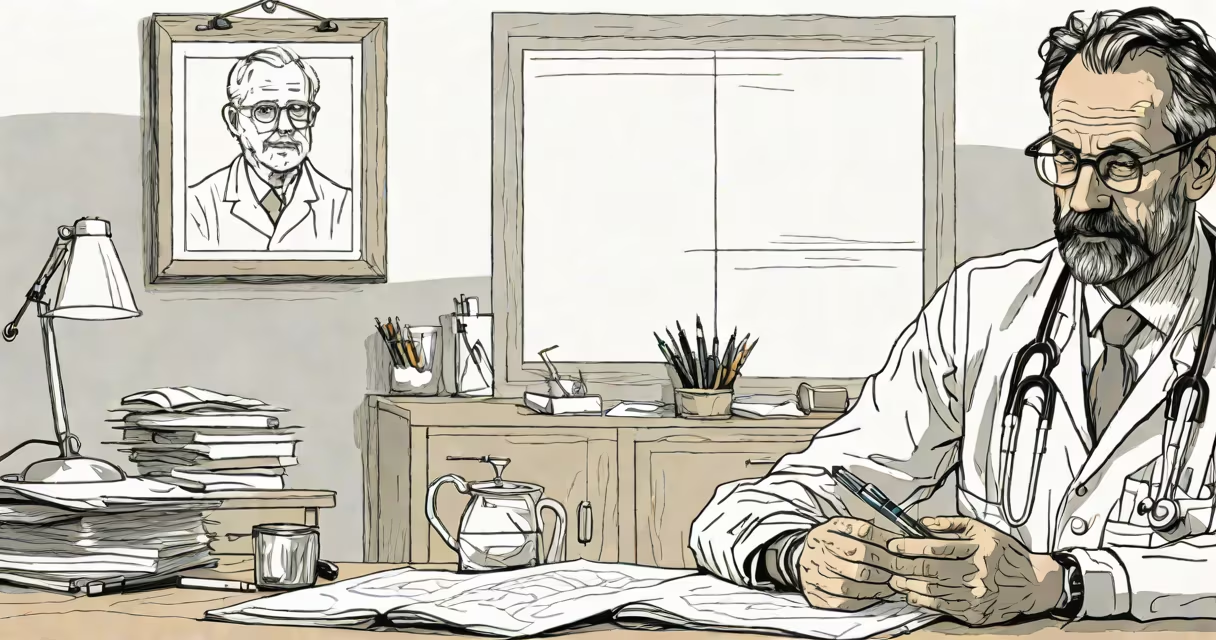
A psychiatrist doctor is a licensed physician specializing in diagnosing, treating, and preventing mental, emotional, and behavioral disorders using medical interventions such as medication, psychotherapy, and brain-based treatments. They are trained in both medicine and mental health, allowing them to assess biological and psychological factors behind mental illness.
Psychiatrists complete four years of medical school, followed by a four-year residency in psychiatry. This training includes clinical rotations in inpatient units, outpatient clinics, emergency psychiatry, and substance use treatment. After residency, they must pass board certification exams administered by the American Board of Psychiatry and Neurology (ABPN).
Unlike other mental health professionals, psychiatrists can prescribe medications. They also have the authority to perform physical exams and order lab tests to rule out medical causes of symptoms like depression, anxiety, or mood swings. Their role combines clinical medicine with behavioral science, making them uniquely equipped to manage complex cases involving both mind and body.
How Psychiatrists Work
When a patient sees a psychiatrist, the process begins with a detailed clinical interview. The psychiatrist gathers information about current symptoms, medical history, family history of mental illness, substance use, sleep patterns, and daily functioning. This assessment often takes 45 to 90 minutes and may involve standardized screening tools like the PHQ-9 for depression or GAD-7 for anxiety.
After diagnosis, the psychiatrist develops a treatment plan. For many conditions, this includes pharmacological treatment. For example, someone with major depressive disorder might start on sertraline (Zoloft), while a person with bipolar disorder may require lithium or valproate. Dosages are adjusted based on response and side effects, monitored through regular follow-ups.
Psychotherapy is also part of care. While psychiatrists don't typically provide long-term talk therapy like clinical psychologists, they do use brief cognitive-behavioral techniques during sessions. Some psychiatrists are trained in specialized therapies such as dialectical behavior therapy (DBT) or trauma-focused cognitive processing therapy. The focus remains on symptom reduction and functional improvement.
Types of Conditions Treated
Psychiatrists treat many mental health conditions. Common diagnoses include:
- Major depressive disorder
- Bipolar affective disorder
- Anxiety disorders (GAD, panic, PTSD)
- Schizophrenia and other psychotic disorders
- Attention-deficit/hyperactivity disorder (ADHD)
- Obsessive-compulsive disorder (OCD)
- Substance use disorders
- Eating disorders
For severe or treatment-resistant cases, psychiatrists may recommend electroconvulsive therapy (ECT), transcranial magnetic stimulation (TMS), or ketamine infusion therapy. These are used when medications fail or when rapid symptom relief is needed, such as in suicidal ideation or catatonia.
| Condition | Typical Treatment Approach |
|---|---|
| Major Depression | SSRI/SNRI meds + CBT |
| Bipolar Disorder | Lithium, anticonvulsants, mood stabilizers |
| PTSD | SSRIs, trauma-focused therapy, EMDR referral |
| Schizophrenia | Antipsychotics (e.g., risperidone), psychosocial support |
One non-obvious fact: psychiatrists are among the few mental health providers legally permitted to certify patients for disability benefits under Social Security Disability Insurance (SSDI). A formal psychiatric evaluation with documented functional impairment can qualify someone for long-term financial support.
Common Misconceptions and Confusions
People often confuse psychiatrists with psychologists, social workers, or counselors. The key difference lies in education and scope of practice. Psychologists hold doctoral degrees (Ph.D. or Psy.D.) in psychology and specialize in therapy and assessment but cannot prescribe medication in most U.S. states. Only six states allow psychologists to prescribe under special training programs.
Another misconception is that psychiatrists only prescribe pills. While medication is a core tool, effective treatment often involves collaboration with therapists. A 2021 study published in JAMA Psychiatry found that patients with moderate-to-severe depression had better outcomes when treated with combined medication and psychotherapy than with either alone.
Some assume all psychiatrists work in hospitals. In reality, over 60% of psychiatrists practice in outpatient settings, including private offices, community mental health centers, and integrated primary care clinics. The rise of telepsychiatry since 2020 has expanded access, especially in rural areas where mental health providers are scarce.
Firsthand Experience
I once observed a psychiatrist conduct a diagnostic session with a 32-year-old woman presenting with persistent fatigue, insomnia, and tearfulness. During the intake, the psychiatrist asked about her menstrual cycle, thyroid function, and recent life stressors. Blood work revealed subclinical hypothyroidism-a physical cause for her mood symptoms. After starting levothyroxine and adjusting her antidepressant, her energy improved within six weeks. This case highlighted how psychiatrists integrate medical and psychological evaluations to avoid misdiagnosis.
When to See a Psychiatrist Doctor
You should consider seeing a psychiatrist if:
- Emotional distress interferes with work, relationships, or daily tasks
- Medications haven't helped with anxiety, depression, or mood instability
- There's a history of psychosis, suicidal thoughts, or self-harm
- Co-occurring conditions like ADHD and depression are hard to manage
Summary
A psychiatrist doctor is a medical expert trained to diagnose and treat mental illness using evidence-based methods, including medication, therapy, and advanced interventions. They are distinct from non-medical mental health practitioners due to their ability to prescribe drugs and evaluate physical contributors to psychological symptoms. Understanding this difference ensures patients receive accurate care tailored to their condition.