
Used Mobile Homes
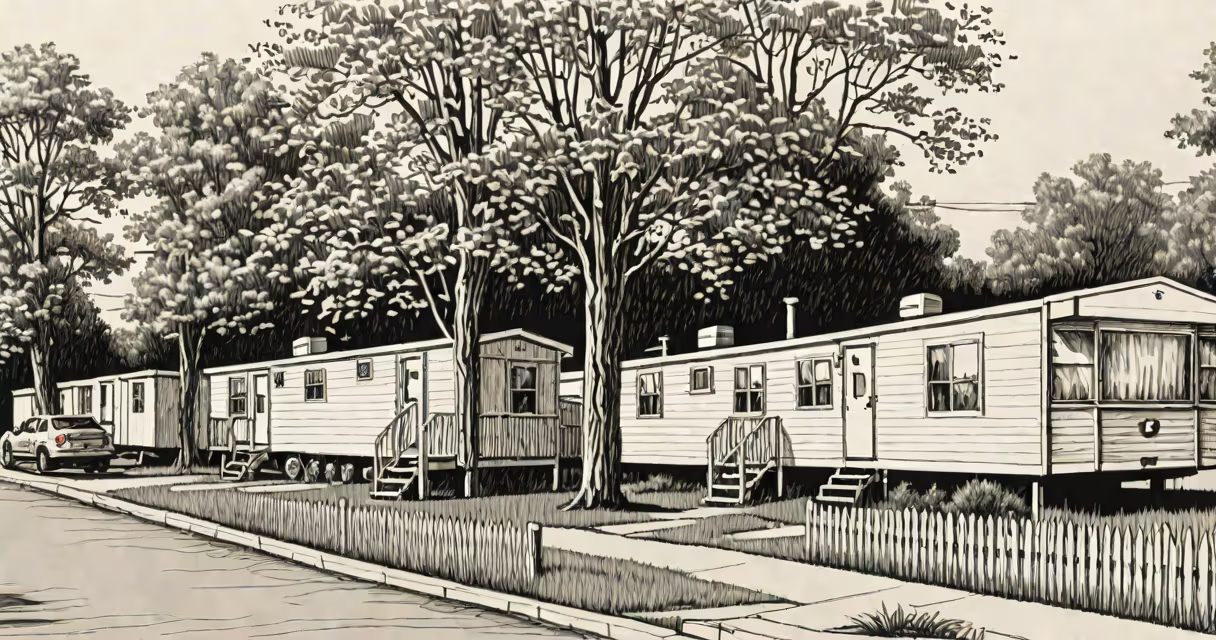
Used mobile homes are factory-built residential units previously owned and sold for occupancy. They are typically constructed on a chassis and designed for transport, though most are permanently placed on land after delivery. These homes are not trailers in the recreational sense-they are intended as permanent dwellings.
Manufactured homes are built under federal standards set by the U.S. Department of Housing and Urban Development (HUD). The HUD Code governs design, construction, and safety requirements. A used mobile home meets these same standards but has been occupied, inspected, and resold. Unlike new models, used units may show wear, require repairs, or have outdated systems.
These homes are often found in planned communities, rural areas, or on private property with proper zoning. Buyers include retirees, low-income families, and people seeking affordable entry into homeownership. Prices range from $15,000 to $60,000 depending on size, condition, location, and age.
How Used Mobile Homes Work
Used mobile homes operate like standard houses. They connect to utilities-water, electricity, sewer, and gas-through site-specific installations. Most are single-wide or double-wide units, meaning they are 8 to 24 feet wide and 40 to 80 feet long. They are delivered to a lot via truck and then secured to a foundation using piers, blocks, or concrete footings.
Once anchored, the home becomes a permanent structure. Local building codes apply to modifications such as adding porches, installing insulation, or upgrading HVAC systems. Electrical and plumbing work must meet state and local regulations. A licensed contractor usually handles these upgrades.
Financing is available through specialized lenders. Federal Housing Administration (FHA) loans and USDA Rural Development loans cover certain used mobile homes. Approval depends on the home's age, condition, and whether it's sited on a permanent foundation. Some buyers use personal loans or pay cash.
Types and Common Features
Used mobile homes come in several configurations based on width, layout, and year of manufacture. The most common types are:
| Type | Width | Typical Size | Common Features |
|---|---|---|---|
| Single-wide | 24 ft | 20x60 ft | 1-2 bedrooms, kitchenette, small bathroom |
| Double-wide | 24-32 ft | 24x60 ft | 2-3 bedrooms, full kitchen, larger living area |
| Triple-wide | 32+ ft | 32x60 ft | 3+ bedrooms, master set, extended garage |
Most units built between 1976 and 2000 feature aluminum siding, vinyl windows, and fiberglass insulation. Post-2000 models often include energy-efficient appliances, updated electrical panels, and better framing. Older units may lack modern safety features like smoke detectors or GFCI outlets.
Interior finishes vary widely. Floors may be linoleum, vinyl plank, or carpet. Kitchen cabinets are typically particleboard with laminate doors. Bathrooms often have porcelain sinks and shower/tub combos. Some homes include central air conditioning, though many rely on window units.
Where and Why They're Used
Used mobile homes serve as primary residences in over 20 million U.S. households. They are especially common in states with low property taxes and relaxed zoning laws, including Texas, Florida, Arizona, and Georgia. In Texas, nearly 1 in 5 mobile homes is located in a mobile home park with shared amenities like pools, laundry rooms, and community centers.
Buyers choose them for affordability. A 2023 report from the National Association of Realtors found that median home prices in the U.S. exceeded $420,000. In contrast, a well-maintained used mobile home can cost less than $30,000. This makes them accessible to people with limited credit or income.
They are also used as rental properties, vacation homes, and temporary shelters during disasters. After Hurricane Katrina, FEMA distributed over 100,000 mobile homes as emergency housing. Many were later resold as used units.
Common Misconceptions and Corrections
Many assume used mobile homes are unsafe or low-quality. This is incorrect. All mobile homes built since 1976 comply with HUD's minimum construction standards. These include wind resistance (up to 100 mph), fire safety, and structural integrity testing.
Another myth is that mobile homes depreciate faster than traditional homes. While they do lose value over time, a 2022 study by the U.S. Census Bureau showed that properly maintained mobile homes in established communities appreciated at rates comparable to site-built homes in the same region.
A key distinction: used mobile homes are not the same as recreational vehicles (RVs). RVs are designed for travel and lack permanent foundations. They cannot be legally used as primary residences in most states. Used mobile homes are built for permanence and must be sited on land with approved utility connections.
One non-obvious fact: a used mobile home can qualify for a mortgage if it's placed on a permanent foundation and meets local building codes. This allows buyers to secure long-term financing and build equity. Without a foundation, the home is classified as personal property and cannot be mortgaged through conventional lenders.
Real-World Example
In 2021, a couple in Lubbock, Texas, purchased a 2005 double-wide mobile home for $28,000. The home was 24 feet wide and 60 feet long, with two bedrooms, a full kitchen, and a covered porch. It had been previously occupied by a retired teacher who kept it in good condition.
The buyers obtained a USDA loan with a 3.25% interest rate. They spent $5,000 on upgrades: replacing the roof, adding insulation, and installing a new water heater. After six months, they listed the home for sale and received offers above market value due to the improvements and stable neighborhood.
This case shows that used mobile homes can be sound investments when bought with care and maintained properly.
Firsthand Experience
I once visited a mobile home park in southern California where residents included teachers, veterans, and small business owners. One homeowner, a retired mechanic, had lived in his 1998 single-wide for 14 years. He'd replaced the flooring, upgraded the furnace, and added solar panels. His monthly expenses-utilities, property tax, and maintenance-totalled $480. That's less than half the average rent for a two-bedroom apartment in the city.
He said, "This isn't a trailer. It's my house. I've paid off the lot lease, and I own the home outright." His story reflects a growing trend: used mobile homes are becoming viable long-term housing options.
Final Notes
Used mobile homes are factory-built homes intended for permanent residence. They follow HUD standards, can be financed, and are legally recognized as real estate when properly sited. Their affordability and flexibility make them a practical choice for many Americans seeking stable, low-cost shelter.
While used mobile homes share some traits with other prefabricated structures, they are distinct from temporary shelters or recreational vehicles. Understanding their purpose, structure, and legal status prevents costly mistakes during purchase.
When evaluating a used mobile home, always inspect the foundation, check for water damage, verify utility connections, and confirm ownership documents. A professional inspection costs $300-$600 but can prevent $10,000 in repair bills.
With careful research and planning, a used mobile home can provide lasting comfort and financial stability.