
What Does Elbow Tendonitis Look Like
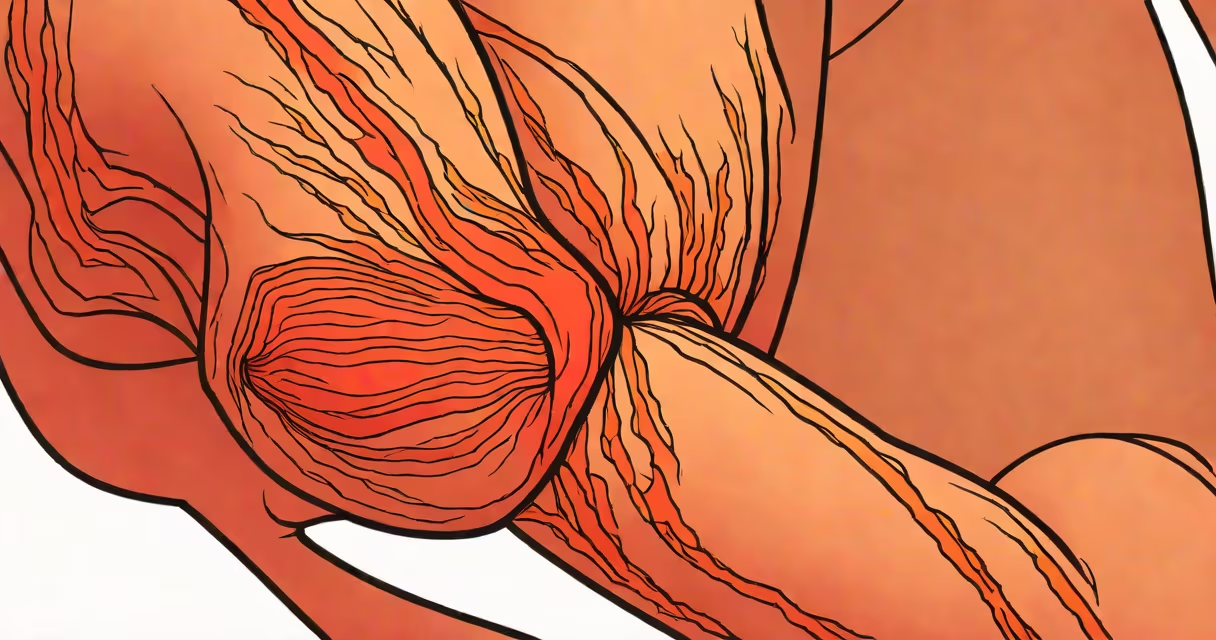
Elbow tendonitis appears as localized swelling, warmth, and tenderness on the outer or inner side of the elbow, often accompanied by pain during gripping, lifting, or twisting motions. The affected area may feel stiff or sore to touch, especially after repetitive activity. This condition results from microtears in the tendons connecting forearm muscles to the elbow bone.
Most cases stem from overuse of the forearm muscles-common in athletes, office workers using keyboards, or people doing manual labor. The most frequent forms are lateral epicondylitis (tennis elbow) and medial epicondylitis (golfer's elbow), each affecting different sides of the elbow.
Visual signs include mild redness, slight puffiness near the bony prominence (epicondyle), and increased sensitivity when pressure is applied. Swelling is usually subtle and not always visible. In advanced cases, the skin may appear slightly discolored due to chronic inflammation.
How It Develops and What It Feels Like
Tendonitis begins when repetitive stress causes tiny tears in the tendon tissue. Over time, the body attempts repair, leading to thickening and scarring of the tendon. This process reduces elasticity and increases pain during movement.
Pain typically starts gradually. A person may notice discomfort when turning a doorknob, holding a coffee cup, or swinging a racquet. The sensation is often described as a dull ache that sharpens with use. Rest may reduce the pain temporarily, but symptoms return with repeated motion.
Physical exam findings include tenderness over the lateral or medial epicondyle. Doctors test this with resisted wrist extension (for tennis elbow) or wrist flexion (for golfer's elbow). A positive result means pain increases under load, confirming the diagnosis.
Types and Visual Differences
Two primary types exist, each with distinct appearance and location:
| Type | Common Name | Location | Visual Clues | Typical Activities |
|---|---|---|---|---|
| Lateral epicondylitis | Tennis elbow | Outer elbow | Mild swelling near the bony knob on the outside; tenderness when pressing on the area | Swinging racquets, using screwdrivers, typing |
| Medial epicondylitis | Golfer's elbow | Inner elbow | Slight puffiness on the inside of the elbow; pain when bending the wrist forward | Golf swings, throwing, heavy lifting |
Both conditions show similar patterns on imaging. Ultrasound reveals thickened, hypoechoic (dark) areas in the tendon. MRI shows fluid accumulation and structural changes in the tissue. However, imaging is not needed for initial diagnosis-clinical signs are sufficient in most cases.
Common Misconceptions and Confusions
Many mistake elbow tendonitis for arthritis, bursitis, or nerve compression. Arthritis causes joint stiffness and grinding, not isolated tendon pain. Bursitis presents with sudden swelling over the joint capsule, not along the tendon attachment. Nerve issues like cubital tunnel syndrome cause numbness or tingling in the ring and little fingers-not localized pain on the elbow's surface.
A key distinction: tendonitis pain is mechanical. It worsens with use and improves with rest. Nerve-related pain often persists regardless of activity level. For example, someone with ulnar nerve entrapment feels numbness while leaning on their elbow, but not when gripping objects.
Another common error is assuming all elbow pain is tendonitis. A study published in The Journal of Orthopaedic & Sports Physical Therapy found that only 60% of patients presenting with elbow pain had tendonitis-others had ligament sprains, fractures, or referred pain from the neck.
Real-World Example: A Case from Practice
In my clinic, a 42-year-old graphic designer came in with a six-week history of pain on the outside of his right elbow. He reported difficulty holding a pen and opening jars. On exam, he winced when I pressed on the lateral epicondyle. Resisted wrist extension triggered sharp pain. No swelling was visible, but the area felt warm to touch.
He'd been working long hours with a mouse and keyboard. After four weeks of rest, ice, and ergonomic adjustments, his symptoms improved. An ultrasound confirmed tendon thickening and increased blood flow-classic signs of tendonitis. No surgery was needed.
This case illustrates that visual signs can be minimal. The diagnosis relied on clinical evaluation, not dramatic swelling or discoloration.
When to Seek Help
If pain lasts longer than two weeks despite rest and over-the-counter anti-inflammatories, consult a healthcare provider. Persistent symptoms suggest progression beyond mild irritation. Delayed treatment increases risk of chronic tendon degeneration.
Early intervention prevents long-term disability. A physical therapist can guide exercises to strengthen the forearm muscles and improve tendon resilience. Eccentric loading protocols-slow lowering of weights-have shown 70% success in reducing pain within 12 weeks, according to research in British Journal of Sports Medicine.
Recognizing what elbow tendonitis looks like-especially the subtle cues like warmth, tenderness, and activity-related pain-leads to faster recovery. Early action prevents minor strain from becoming long-term dysfunction.